


Failure isn’t the opposite of success—it’s a part of it. Every breakthrough, innovation, and achievement in history was preceded by setbacks, missteps, and moments of doubt. The difference between those who bounce back and those who stagnate often comes down to how they respond to failure. Productive failure isn’t about celebrating mistakes; it’s about extracting value from them, refining your approach, and emerging with a clearer path forward. This guide explores how to stay productive after failure, offering actionable strategies and insights to transform setbacks into stepping stones.
The Psychology of Failure: Why It Hurts and How to Reframe It
Failure triggers a cascade of emotional and cognitive responses. The brain’s threat detection system activates, releasing stress hormones like cortisol, which can cloud judgment and reduce motivation. This physiological reaction is why failure feels so personal—it’s not just about the outcome but the perceived threat to our identity and goals. However, reframing failure as a data point rather than a verdict can shift your mindset from paralysis to progress.
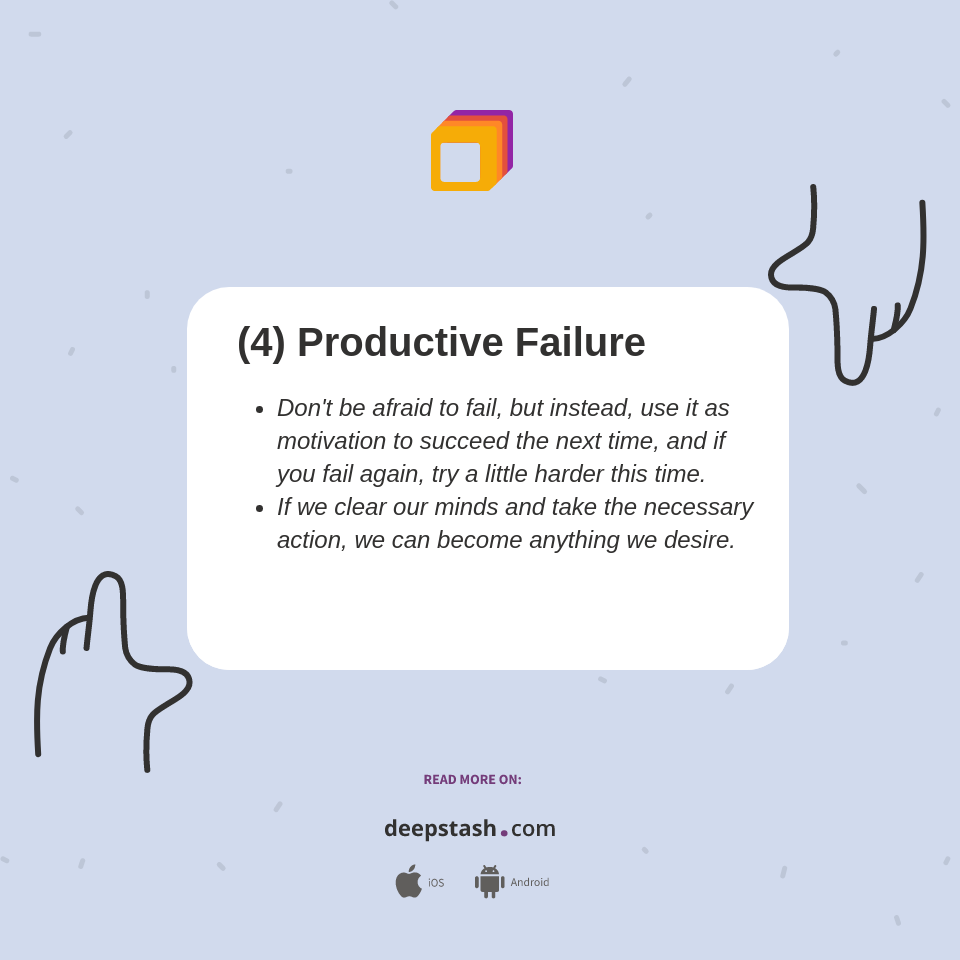
Consider the concept of productive failure, a term popularized by researchers like Manu Kapur. Unlike unproductive failure—where mistakes lead to frustration or avoidance—productive failure involves deliberate experimentation, even if it results in errors. The key is to analyze what went wrong without self-judgment. Ask yourself: What did this failure teach me? How can I adjust my strategy? This approach turns setbacks into a feedback loop, where each mistake provides insights to refine your next attempt.
Immediate Steps: What to Do in the Aftermath of Failure
The first 24–48 hours after a failure are critical. Your immediate actions can either deepen the setback or set you on a path to recovery. Start by acknowledging the emotions without suppressing them. Suppressing frustration or disappointment can lead to burnout or impulsive decisions. Instead, give yourself permission to feel the disappointment, but set a time limit—say, 30 minutes—to process those emotions before shifting into problem-solving mode.
Next, document the failure objectively. Write down what happened, the steps leading up to it, and the outcome. Avoid using emotional language; stick to facts. For example: “I launched the campaign on Tuesday but didn’t meet the engagement target by Friday. The ad copy didn’t resonate with the audience, and the timing may have been off.” This exercise removes the personal sting and helps you identify patterns or external factors that contributed to the failure.
Finally, pause and reassess. Ask yourself whether the failure was due to a lack of effort, a flawed strategy, or external circumstances beyond your control. If it was the latter, you may need to pivot your approach entirely. If it was the former, focus on refining your execution. This step ensures you don’t repeat the same mistakes while keeping momentum alive.
Strategic Reflection: Turning Mistakes into Lessons
Productive failure isn’t just about moving on—it’s about extracting maximum value from the experience. One effective method is the After-Action Review (AAR), a structured debrief used by the military and businesses to analyze outcomes. The AAR involves four key questions:
- What was supposed to happen? (Your original plan and expectations.)
- What actually happened? (The real outcome, stripped of assumptions.)
- Why were there differences? (Identify gaps in planning, execution, or external factors.)
- What can we do differently next time? (Actionable changes to implement.)
Another powerful tool is the 5 Whys technique, popularized by Toyota. To uncover the root cause of a failure, ask “why” five times. For example:
- Why did the project fail? → The team missed the deadline.
- Why did the team miss the deadline? → They underestimated the complexity.
- Why did they underestimate the complexity? → They didn’t account for dependencies.
- Why didn’t they account for dependencies? → The initial scope was too vague.
- Why was the scope too vague? → There was no clear definition of success.
This process reveals systemic issues that, once addressed, can prevent future failures. The goal isn’t to assign blame but to identify opportunities for improvement.

Rebuilding Momentum: Small Wins to Regain Confidence
After a significant failure, it’s easy to feel paralyzed by the fear of repeating the same mistakes. The antidote? Small, achievable wins. These don’t have to be groundbreaking; they just need to rebuild your confidence and prove to yourself that progress is possible. Start with tasks that are 80% likely to succeed—something that stretches you slightly but isn’t overwhelming.
For example, if you failed to launch a product feature, break it down into smaller components. Begin with a prototype, test it with a small group, and iterate based on feedback. Each completed step reinforces your ability to execute, counteracting the helplessness that often follows failure. Celebrate these wins, no matter how minor—they’re proof that you’re capable of moving forward.
Another strategy is to leverage the “sunk cost fallacy” to your advantage. The sunk cost fallacy is the tendency to continue investing in something because of past efforts, even when it’s no longer rational. While this is often seen as a cognitive bias, you can flip it by reminding yourself that the time and energy you’ve already spent aren’t wasted—they’re investments in your growth. Use that momentum to push forward rather than abandoning your goals entirely.
Adjusting Your Approach: When to Pivot vs. When to Persevere
Not all failures are created equal. Some signal that you need to adjust your strategy, while others indicate that you should double down. The key is to distinguish between strategic pivots and strategic perseverance. A pivot is necessary when the original approach is fundamentally flawed or the market has changed. Perseverance, on the other hand, is about refining your execution when the strategy itself is sound but the implementation needs work.
To decide which path to take, conduct a pre-mortem analysis. Imagine it’s six months from now, and your current approach has failed. What went wrong? If the failure stems from external factors (e.g., a sudden market shift), a pivot may be in order. If the issues are internal (e.g., poor planning or execution), focus on refining your process.
It’s also helpful to seek external perspectives. Talk to mentors, peers, or even critics who can provide unbiased feedback. They might spot blind spots you’ve overlooked. For instance, if you failed to meet a sales target, a mentor might point out that your pricing strategy was misaligned with your audience’s expectations—something you hadn’t considered.
Building Resilience: Long-Term Strategies for Sustainable Productivity
Staying productive after failure isn’t just about short-term recovery—it’s about building resilience for the long haul. One of the most effective ways to do this is by developing a growth mindset, a concept introduced by psychologist Carol Dweck. A growth mindset views challenges as opportunities to learn rather than threats to avoid. To cultivate this, focus on progress over perfection. Track your improvements over time, no matter how small, and remind yourself that setbacks are temporary.
Another resilience-building strategy is to create a “failure resume”. This isn’t a list of excuses; it’s a record of lessons learned. Include failures, what went wrong, and how you adapted. Reviewing this document periodically can reinforce your ability to overcome challenges and remind you that failure is a normal part of the journey.
Finally, prioritize self-care. Productivity isn’t sustainable if you’re running on empty. Ensure you’re getting enough rest, exercise, and downtime to recharge. Burnout often follows failure because the emotional toll is high. By maintaining your well-being, you’ll be better equipped to handle setbacks with clarity and energy.

Conclusion: Failure as a Catalyst for Growth
Failure isn’t the end of the road—it’s a detour that can lead to a better destination. The most productive people aren’t those who avoid failure; they’re the ones who learn from it, adapt, and use it as fuel for future success. By reframing setbacks as data points, reflecting strategically, and taking deliberate action, you can turn failure into a powerful catalyst for growth. The next time you face a setback, ask yourself: What can this failure teach me? The answer might just be the key to your next breakthrough.
Leave a comment