


In the ever-evolving landscape of professional development, two titans stand out: micro-credentials and nanodegrees. Both promise to equip learners with targeted skills, but which one delivers a higher return on investment (ROI)? The answer isn’t as straightforward as it seems, hinging on factors like industry demands, career goals, and the pace of technological change. Let’s dive into the nuances of each, dissect their value propositions, and uncover which path might be the smarter financial bet for ambitious professionals.
Before we dissect their ROI, let’s clarify what each term encompasses. Micro-credentials are bite-sized, skill-specific certifications that validate expertise in a narrow domain—think mastering Python for data analysis or earning a badge in cybersecurity fundamentals. They’re often issued by universities, professional bodies, or industry platforms like Coursera or edX. Nanodegrees, on the other hand, are more comprehensive, project-based programs designed by tech giants like Google or Udacity. They typically span several months and culminate in a portfolio-ready project, blending theory with hands-on application. While micro-credentials are the espresso shots of learning, nanodegrees are the full-bodied lattes—richer in content but more time-intensive.
The ROI of Micro-Credentials: Speed and Specialization
Micro-credentials shine in their agility. For professionals navigating industries where skills obsolesce at warp speed—like digital marketing or cloud computing—they offer a rapid way to stay relevant. A 2023 LinkedIn report highlighted that 72% of hiring managers prioritize candidates with up-to-date micro-credentials, particularly in tech and healthcare. The cost is another draw: many micro-credentials are free or under $100, making them accessible to freelancers or those testing the waters in a new field. The ROI here isn’t just financial; it’s the ability to pivot quickly without committing to a lengthy program.
Consider the case of a graphic designer eyeing a shift into UX/UI. A micro-credential in Figma or Adobe XD could be completed in a weekend, costing less than $50. Within weeks, they could showcase this new skill to clients or employers, potentially commanding higher rates. The ROI isn’t just the certificate’s price tag—it’s the opportunity cost saved by avoiding a six-month degree program. However, critics argue that micro-credentials lack depth. A single badge in data visualization won’t replace a full-fledged data science nanodegree for roles demanding advanced statistical modeling. The key is aligning them with immediate career needs rather than long-term aspirations.
Nanodegrees: The Deep Dive with Long-Term Payoffs
Nanodegrees, with their structured curricula and industry partnerships, are engineered for depth. Programs like Udacity’s Self-Driving Car Engineer or Google’s Data Analytics Nanodegree are meticulously crafted to mirror real-world job requirements. The ROI here is twofold: the credential itself carries weight with employers, and the hands-on projects build a tangible portfolio. A 2024 study by the Georgetown University Center on Education and the Workforce found that nanodegree graduates saw a 22% average salary increase within a year of completion, compared to 15% for micro-credential holders. The caveat? The upfront investment—nanodegrees often cost between $500 and $2,000, with some requiring months of full-time study.
Take the example of a mid-career software engineer aiming for a senior role. A nanodegree in cloud architecture from AWS or Microsoft could be the differentiator in a competitive job market. The program’s capstone project—a cloud migration plan, for instance—becomes a conversation starter in interviews. The ROI isn’t just the salary bump; it’s the confidence to tackle complex projects and the network of peers and instructors gained along the way. Yet, for those in industries where skills are commoditized (e.g., basic coding bootcamps), the ROI may plateau faster. The depth of a nanodegree is only as valuable as the industry’s willingness to pay for it.
Industry-Specific Nuances: Where Each Shines

The ROI equation shifts dramatically depending on the sector. In tech, nanodegrees often outperform micro-credentials because employers prioritize hands-on experience. A nanodegree in AI from Stanford’s online platform might cost $1,500 but lead to a $30,000 salary jump for a machine learning engineer. Conversely, in creative fields like writing or design, micro-credentials in niche tools (e.g., Procreate for illustrators) can command premium rates without the need for a full degree. Healthcare is another outlier: micro-credentials in specialized areas like medical coding or telehealth compliance are highly lucrative, with certifications like the CPC (Certified Professional Coder) offering ROI in months due to high demand.
The gig economy further complicates the equation. Platforms like Upwork and Fiverr favor micro-credentials for their brevity and specificity. A freelance video editor with a micro-credential in DaVinci Resolve can undercut competitors who lack the certification, even if their portfolio is stronger. Nanodegrees, while impressive, may be overkill for gig work where clients prioritize quick turnarounds over deep expertise. The ROI here is immediate: more projects, higher visibility, and the ability to command niche rates.
The Hidden Costs: Time, Opportunity, and Credibility
ROI isn’t just about dollars and cents—it’s about the hidden costs of each path. Micro-credentials demand minimal time but may lack the prestige of a nanodegree from a recognized institution. A micro-credential from a lesser-known platform could go unnoticed by recruiters, rendering the ROI negligible. Nanodegrees, while credible, require a significant time commitment. For a parent or full-time employee, the opportunity cost of 6–12 months could outweigh the financial benefits. Additionally, some industries still value traditional degrees over alternative credentials. A nanodegree in cybersecurity might not replace a four-year degree for roles in government or defense contracting, where formal education is a non-negotiable requirement.
Another hidden cost is the saturation of the market. With the rise of online learning, micro-credentials have proliferated, diluting their perceived value. A quick search on LinkedIn reveals thousands of professionals with “Certified Scrum Master” badges—making it harder to stand out. Nanodegrees, though fewer in number, carry more weight due to their curated curricula and industry backing. The ROI here is in exclusivity: fewer graduates mean less competition for top-tier roles.
Hybrid Approaches: The Best of Both Worlds?
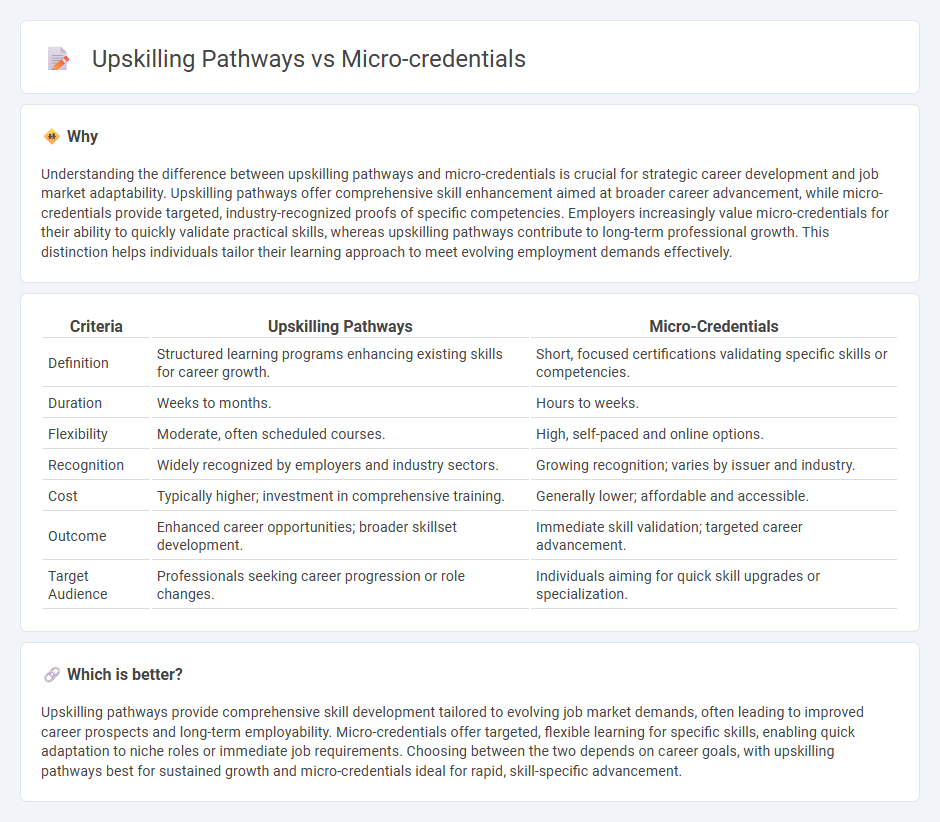
For those torn between the two, a hybrid approach might offer the optimal ROI. Start with a micro-credential to test the waters in a new field, then pursue a nanodegree for deeper specialization. For example, a marketer could earn a micro-credential in Google Analytics before committing to a nanodegree in digital marketing strategy. This phased approach minimizes risk while maximizing skill acquisition. Alternatively, stack multiple micro-credentials to build a custom nanodegree equivalent. Platforms like Coursera’s “Specializations” bundle several courses into a cohesive program, often at a fraction of the cost of a standalone nanodegree.
The hybrid model also aligns with the concept of “just-in-time learning”—acquiring skills precisely when they’re needed. A project manager might earn a micro-credential in Agile methodologies before leading a team, then later pursue a nanodegree in project management for PMP certification. The ROI here is in adaptability: the ability to pivot without overinvesting in a single path.
Ultimately, the choice between micro-credentials and nanodegrees hinges on a few critical questions: What’s your career trajectory? How quickly does your industry evolve? And what’s your risk tolerance for upfront investment versus long-term payoff? For those in fast-moving fields like AI or cybersecurity, nanodegrees may offer the deeper ROI. For freelancers or career switchers, micro-credentials provide a low-risk, high-reward entry point. The smartest professionals won’t see these paths as mutually exclusive but as complementary tools in a lifelong learning arsenal.
In the end, ROI isn’t a one-size-fits-all metric. It’s a dynamic equation that evolves with your career, the market, and your ambitions. Whether you opt for the swift punch of a micro-credential or the sustained immersion of a nanodegree, the key is to stay curious, stay adaptable, and always measure the value against your goals. The future of work rewards those who learn—not just those who finish.
Leave a comment