


The Productivity Power of Clear Priorities
The inbox is full. The calendar is a mosaic of back-to-back squares. The to-do list, curated with the best of intentions each morning, has become a testament to entropy—items crossed out in a frenzy, others left to yellow and fade. It is a scene of such universal familiarity that its very ubiquity has numbed us to its strangeness. We observe the frantic activity, the slight hunch of the shoulders, the flickering gaze between screens and sticky notes, and we recognize it as productivity. But the nagging sense remains: this is not working. The fascination with “getting things done” often masks a deeper, unspoken truth. The problem is rarely a lack of time, energy, or even skill. The problem is a lack of clarity. The core of true productivity is not the speed at which you move, but the precision with which you choose your direction. It is the quiet, formidable power of clear priorities.
The Myth of the Full Plate
The cultural instinct is to equate a “full plate” with high productivity. We wear our busyness like a badge of honor, mistaking motion for progress. Yet, a careful look reveals a different story. A person with a cluttered plate is not efficient; they are reactive. Every new request, every blinking notification, every ringing phone becomes an immediate priority, lurching attention from one half-completed task to the next. This is not focus; it is fragmentation. Consider a rock hunter who fills his bag with pebbles, sand, and a few gems. When he is weighed down, he struggles to move, and the gems are scratched and hidden. The power of clear priorities is the discipline of selecting only the gems—the tasks that truly move the needle. It is the intentional act of leaving pebbles on the ground, even when others are frantically collecting them. The photograph attached below captures the essence of this decision: the visual representation of what is important, written down and ranked, removes the mental noise of everything else.

De-Fragmentation of Attention
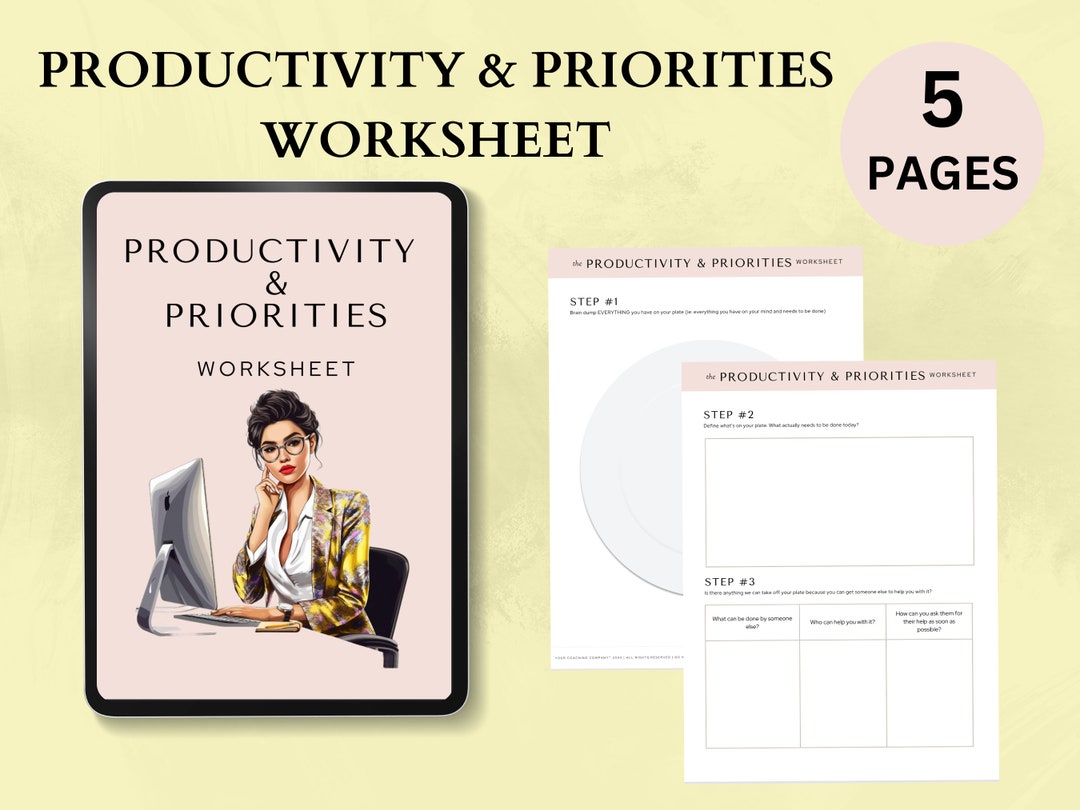
A clear priority acts as a cognitive anchor. In a world engineered for distraction, the human mind naturally drifts toward the novel, the urgent, or the easy. Without a defined hierarchy of importance, every new piece of information competes for equal footing in your working memory. The result is a kind of mental thrashing—a constant context-switching that saps energy and erodes the quality of output. When you have a single, well-defined priority for a given hour, your brain can enter a state of flow. The neural pathways fire without interruption. The problem is not just conceptually understood but tackled at a deeper, more integrative level. The worksheet shown below is a tool for this de-fragmentation. It is not simply a piece of paper; it is a contract with yourself, a declaration that for the next block of time, this specific goal will receive the full bandwidth of your cognitive resources. To honor that contract is to reclaim your attention from the thousand small thieves that populate the digital age.
The Invisible Architecture of Decision Fatigue
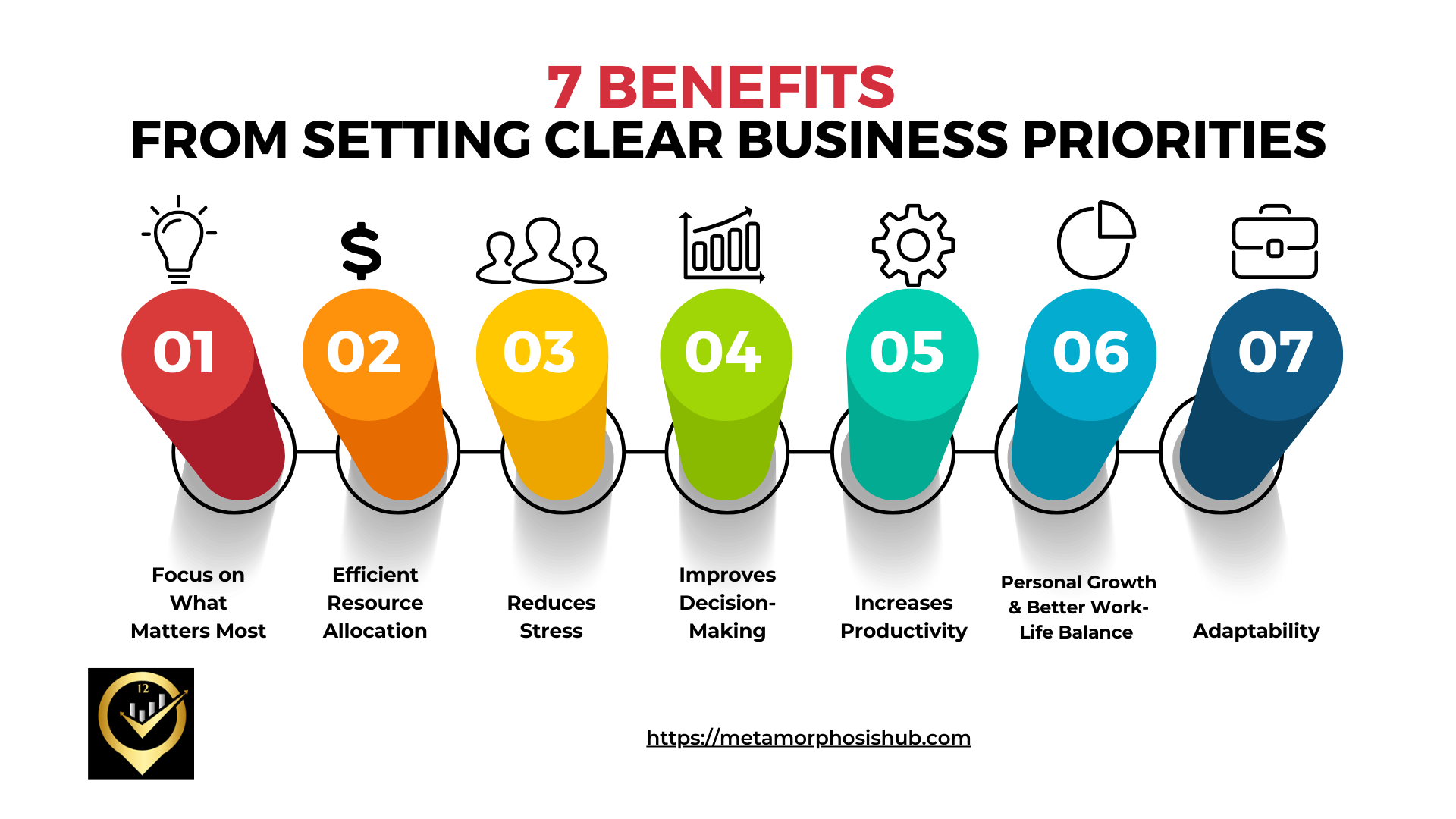
Every decision, no matter how small, draws from a finite reservoir of willpower. This is the principle of decision fatigue. When your day lacks a clear structure of priorities, you are forced to make dozens of micro-decisions: Should I answer this email first? What about that report? Is this call more important than reviewing the proposal? Each decision chips away at your mental energy, leaving you exhausted by noon, your best hours squandered on trivial choices. Clear priorities build an invisible architecture that removes these micro-decisions from the equation. They create a decision tree that operates on autopilot. When a new task presents itself, you consult your hierarchy. The rule is simple: does this task serve my top priority? If not, it is deferred or deleted. This is not laziness; it is a strategic conservation of your most valuable resource. The small business owner in the image below has internalized this principle. Their priorities are not just ideas in their head; they are a visible, externalized structure that governs their day, reducing the cognitive load of every new choice and preserving their mental stamina for the work that truly matters.
From Anxiety to Agency
The deepest reward of clear priorities is not merely efficiency; it is a profound shift in existential posture. Chronic busyness, when examined closely, is often a symptom of anxiety. It is the frantic urge to control an unpredictable world by doing everything. But this strategy backfires. The more you do, the more you feel the weight of what remains undone. A clear priority list provides a frame for a finite reality. It is an honest acknowledgment that you cannot do it all, and that choosing to do one thing well means choosing not to do another thing at all. This act of intentional omission is the gateway to agency. You are no longer a puppet of your inbox or a slave to your calendar. You become the author of your own day. The anxiety of the undefined is replaced by the calm of the chosen path. The drive to be effortlessly productive is a fantasy; the reality is a deliberate, sometimes difficult, act of sifting. The fascination we have with productivity is, at its heart, a longing for this feeling of control. Clear priorities do not promise that the work will be easy, but they promise that it will be yours. And in that ownership lies the true, quiet power of getting the right things done.
Leave a comment