


Building a startup is like running a marathon where the finish line keeps moving. Every milestone you reach reveals another hill to climb, another sprint to endure. The difference between those who thrive and those who burn out often comes down to one thing: productivity. Not the frantic, caffeine-fueled hustle that leads to exhaustion, but the deliberate, strategic kind that turns chaos into momentum. Here’s how to cultivate it.
The Myth of the Overnight Success (And Why It’s Killing Your Productivity)
We’ve all seen the headlines: “Startup Founder Builds Empire in 6 Months!” But behind the clickbait lies a dangerous misconception. Productivity isn’t about sprinting at full speed for a few weeks—it’s about pacing yourself like a seasoned marathoner. The most successful entrepreneurs understand that consistency beats intensity. They treat their startup like a long-distance race, not a sprint.
Consider the story of Slack, which took two years to gain traction before exploding into the workplace tool we know today. Or Airbnb, which nearly went bankrupt before finding its footing. These companies didn’t succeed because they worked harder—they succeeded because they worked smarter, refining their approach over time. The key? Avoiding the “all-nighter trap,” where you push yourself to the brink only to crash and burn. Instead, focus on sustainable habits that keep you moving forward without draining your reserves.
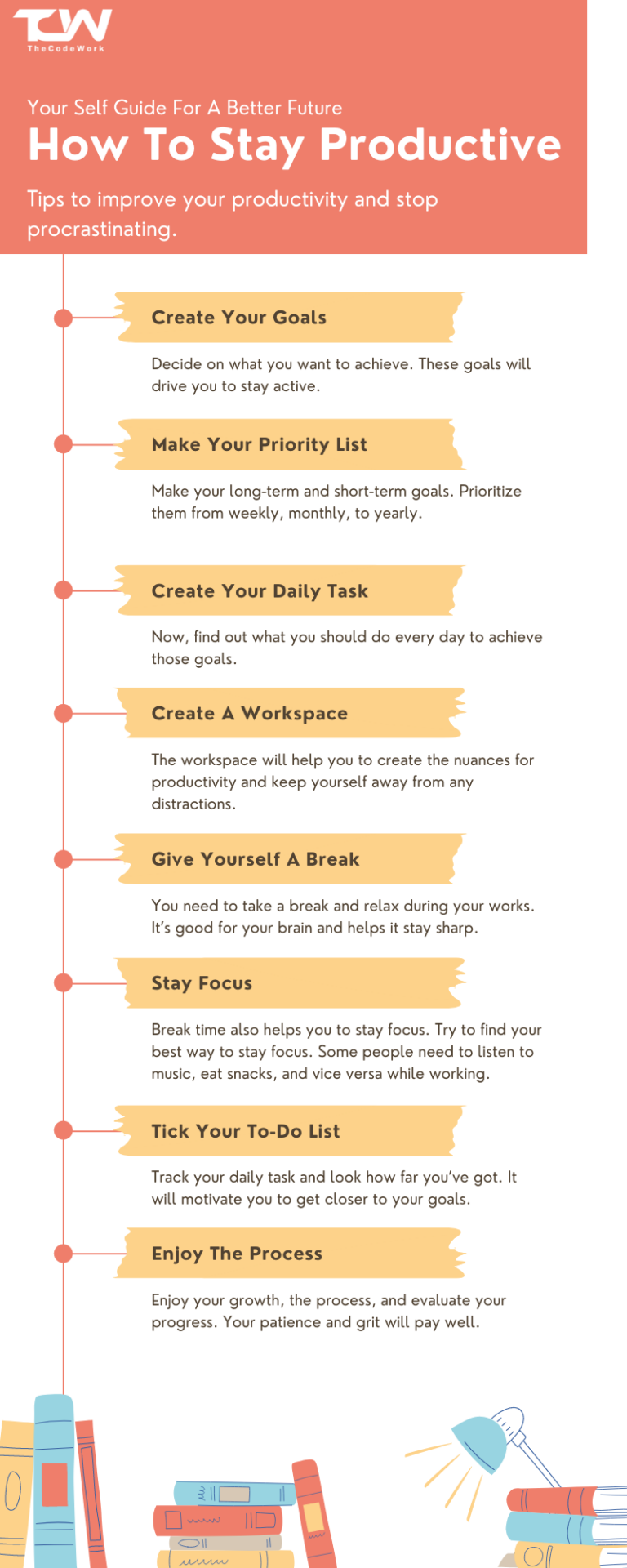
The Power of the “Two-Minute Rule” in Startup Life
One of the simplest yet most effective productivity hacks comes from David Allen’s Getting Things Done methodology: If a task takes less than two minutes, do it immediately. In the startup world, this translates to handling small but critical tasks—replying to an urgent email, jotting down a quick idea, or updating a spreadsheet—without letting them pile up into a mountain of procrastination.
Why does this work? Because startups thrive on momentum. A single unanswered email can snowball into a crisis, while a small tweak to your product roadmap today might prevent a major headache tomorrow. The two-minute rule keeps the gears of your operation turning smoothly, ensuring that no minor task derails your bigger vision.
The Art of Saying “No”: Protecting Your Productivity Like a Fortress
Every entrepreneur knows the allure of shiny new opportunities—the investor pitch, the partnership offer, the viral marketing trend. But here’s the hard truth: Not all opportunities are created equal. Saying “yes” to everything is like trying to build a skyscraper with a pile of mismatched LEGO bricks—it might look impressive at first, but it won’t stand the test of time.
Take the example of Buffer, the social media management company. Early on, its founders realized that saying “yes” to every feature request was diluting their core product. By ruthlessly prioritizing what truly mattered—user experience and scalability—they transformed Buffer into a billion-dollar platform. The lesson? Your time and energy are finite. Guard them like a fortress. Every “no” to a distraction is a “yes” to your startup’s growth.
The Eisenhower Matrix: Your Secret Weapon for Decision-Making
Not all tasks are worth your time. The Eisenhower Matrix—a simple four-quadrant grid—helps you categorize tasks by urgency and importance. Here’s how to apply it in startup life:
- Urgent and Important (Do Now): Crisis management, critical deadlines, or a sudden drop in user engagement.
- Important but Not Urgent (Schedule): Long-term strategy, team building, or product development.
- Urgent but Not Important (Delegate): Administrative tasks, minor customer service issues, or routine meetings.
- Neither Urgent nor Important (Eliminate): Time-wasters like excessive social media scrolling or unnecessary meetings.
By filtering your to-do list through this lens, you’ll focus on what truly moves the needle and eliminate the noise that drains your productivity.

The Hidden Cost of Multitasking (And How to Break the Habit)
Multitasking is the productivity equivalent of juggling chainsaws—it feels impressive until you drop everything. Studies show that switching between tasks can reduce productivity by up to 40%. In the startup world, where every minute counts, that’s a luxury you can’t afford.
Consider the story of Steve Jobs, who famously wore the same black turtleneck and jeans every day. His reasoning? Fewer decisions meant more mental energy for the big ones. While you don’t need a uniform, the principle holds: Reduce decision fatigue by automating or eliminating trivial choices. Batch similar tasks together—answer emails in one sitting, schedule meetings back-to-back, and dedicate focused blocks of time to deep work.
The Pomodoro Technique: Work in Sprints, Not Marathons
Developed by Francesco Cirillo in the 1980s, the Pomodoro Technique is a time-management method that breaks work into 25-minute focused intervals (called “Pomodoros”) followed by a 5-minute break. After four Pomodoros, take a longer break of 15-30 minutes. This approach leverages the science of attention spans, keeping your brain fresh and engaged.
For startup founders, this means:
- Dedicating a Pomodoro to drafting a pitch deck without distractions.
- Using Pomodoros to tackle a backlog of customer support tickets.
- Reserving Pomodoros for strategic planning, free from the tyranny of the inbox.
The result? You’ll accomplish more in four focused hours than you would in eight distracted ones.
Building a Productivity Culture: Why It’s Not Just About You
A startup’s productivity isn’t just about the founder—it’s about the entire team. If you’re burning the midnight oil while your employees are disengaged, you’re not building a sustainable business; you’re building a house of cards. The most productive startups foster a culture where efficiency isn’t a buzzword—it’s a way of life.
Take GitLab, the all-remote company with over 1,500 employees. Its success hinges on asynchronous communication, clear documentation, and trust in its team’s autonomy. By empowering employees to manage their time and priorities, GitLab achieves what many startups struggle with: scalability without burnout.
The 80/20 Rule: Focus on the Vital Few
Also known as the Pareto Principle, the 80/20 rule states that 80% of your results come from 20% of your efforts. In startup terms, this means identifying the 20% of tasks, features, or customers that drive 80% of your growth. For example:
- If 20% of your users generate 80% of your revenue, double down on their needs.
- If 20% of your marketing channels bring in 80% of your leads, invest more there.
- If 20% of your team’s efforts produce 80% of your product’s value, streamline the rest.
By ruthlessly prioritizing the vital few, you’ll avoid the trap of spreading yourself too thin on low-impact work.
The Final Lap: When to Pivot and When to Persevere
Productivity isn’t just about grinding harder—it’s about knowing when to change direction. The most successful startups aren’t the ones that never pivot; they’re the ones that pivot strategically. The key is to recognize when your current path isn’t working and adjust before you hit a wall.
Consider the story of Instagram, which started as a location-based app called Burbn. After analyzing user data, its founders realized that the photo-sharing feature was the most engaging part of the app. They pivoted, stripped away everything else, and launched Instagram—a decision that led to a $1 billion acquisition by Facebook.
The lesson? Productivity isn’t about blind persistence. It’s about being agile, data-driven, and willing to course-correct when necessary. Measure your progress, listen to your users, and don’t be afraid to change course if the data tells you to.
The 1% Rule: Small Improvements, Big Results
James Clear’s Atomic Habits popularized the idea that tiny, consistent improvements compound over time. In startup terms, this means focusing on 1% daily progress rather than chasing overnight miracles. For example:
- Improving your onboarding flow by 1% each week can lead to a 50%+ increase in user retention over a year.
- Reducing your customer acquisition cost by 1% each month can save thousands in ad spend.
- Spending 1% more time on team culture can drastically reduce turnover and boost morale.
The magic of the 1% rule is that it turns productivity into a habit—not a sprint. And habits, as we know, are the foundation of lasting success.
Conclusion: Productivity as a Way of Life
Growing a startup is less about working harder and more about working smarter. It’s about pacing yourself like a marathoner, protecting your time like a fortress, and focusing on what truly moves the needle. It’s about building a culture where productivity isn’t a buzzword but a way of life.
So the next time you feel the urge to pull an all-nighter or say “yes” to every opportunity, remember: The most productive startups aren’t the ones that burn the brightest—they’re the ones that burn the longest. And that’s the real secret to success.
Leave a comment