


In the labyrinth of higher education, where tuition fees spiral and student expectations soar, one truth remains unshaken: retention is the silent heartbeat of institutional success. Yet, what if the most potent strategies to keep students engaged and enrolled don’t demand a single dollar? What if the key lies not in lavish budgets but in the alchemy of human connection, institutional empathy, and strategic empathy? Brace yourself—because the revolution in student retention isn’t about spending more. It’s about seeing more.
Imagine a campus where every student feels not just heard, but *understood*—where their struggles are met with proactive support, their achievements celebrated in real time, and their academic journey feels less like a solitary trek and more like a shared expedition. This isn’t a utopian fantasy. It’s the promise of zero-cost retention strategies that redefine what it means to belong in academia. Let’s dive into six transformative tactics that cost nothing but yield everything.
The Power of the First-Year Seminar: A Gateway to Belonging
Picture this: a student steps onto campus for the first time, overwhelmed by the sheer magnitude of change. The first-year seminar isn’t just another class—it’s a lifeline. These seminars, often dismissed as administrative checkboxes, are the crucible where students forge their first academic identities. But here’s the twist: they don’t need to be elaborate or expensive. A well-structured seminar that pairs incoming students with faculty mentors, peer leaders, and even alumni can create an ecosystem of support that feels personal, intentional, and transformative.
Consider the ripple effect. When students in their first semester are greeted not with indifference but with structured guidance, their sense of isolation evaporates. They begin to see themselves as part of a narrative larger than their own struggles. The seminar becomes a microcosm of what the institution values: community over competition, mentorship over anonymity. And the best part? This strategy requires nothing more than intention, a syllabus, and a commitment to fostering connection.

Peer Mentorship: The Unseen Threads of Retention
Now, let’s talk about the unsung heroes of student retention: peer mentors. These aren’t just older students who’ve survived the gauntlet—they’re the living embodiment of empathy, the bridge between confusion and clarity. Peer mentorship programs cost pennies compared to faculty-led initiatives, yet their impact is seismic. Why? Because students listen to students in ways they never will to administrators or professors.
A peer mentor isn’t just a guide; they’re a mirror. They reflect the struggles, triumphs, and unspoken fears of their mentees because they’ve walked the same path. When a struggling freshman confides in a mentor about academic burnout, the mentor doesn’t just offer advice—they share their own story of resilience. This isn’t transactional support; it’s a transfusion of hope. And the best part? These programs can be built on existing student networks, requiring only coordination and a shared commitment to uplift.
But here’s the secret sauce: peer mentorship thrives on authenticity. It’s not about polished presentations or rigid structures. It’s about real conversations, late-night study sessions, and the unspoken understanding that “I’ve been there too.” When institutions prioritize these organic connections, they don’t just retain students—they cultivate a culture of mutual growth.
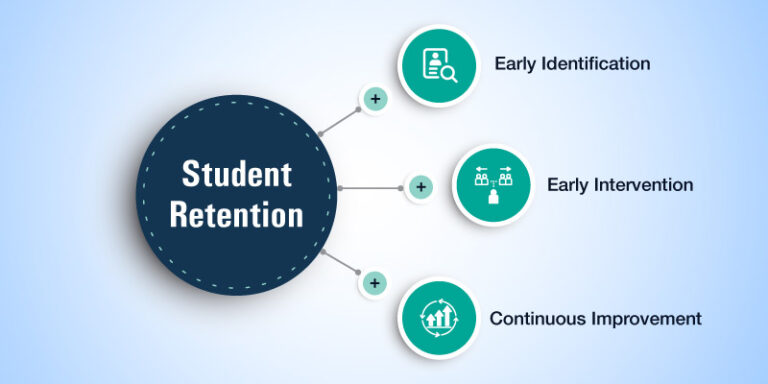
Data-Driven Empathy: Predicting Struggles Before They Surface
What if you could anticipate a student’s decision to leave before they even considered it? Enter the power of data—not as a cold, impersonal tool, but as a lens to humanize the student experience. Institutions already collect mountains of data: attendance records, assignment submissions, even library checkouts. But what if they used this data not to surveil, but to *understand*?
Imagine an early alert system that flags students who are consistently late to class, skip assignments, or avoid campus resources. Instead of waiting for a crisis, advisors reach out with a simple question: “How can we help?” This isn’t about punishment or bureaucracy. It’s about intervention before disengagement becomes irreversible. The beauty of this strategy? It costs nothing beyond the time to analyze patterns and the willingness to act with compassion.
But here’s the game-changer: data-driven empathy requires a cultural shift. It’s not enough to collect numbers—you must interpret them through the lens of human experience. A student skipping meals in the dining hall might seem like a minor issue, but to them, it could signal financial strain. A sudden drop in library visits might indicate social withdrawal. When institutions train staff to read between the data points, they transform raw numbers into stories of struggle—and stories demand action.
The Art of the Personalized Check-In: Turning “How Are You?” Into a Lifeline
In a world of automated emails and impersonal correspondence, a single, genuine check-in can feel like a revolution. Picture this: a faculty member or advisor sends a handwritten note to a student who’s been absent or disengaged. Not a generic template. Not a mass email. A note that says, “I noticed you haven’t been in class. Is everything okay?”
This isn’t just a retention tactic—it’s a humanizing force. In an era where digital communication dominates, a physical note stands out like a beacon. It says, “You matter. Your presence is noticed.” And the impact? Students who feel seen are far less likely to slip through the cracks. The best part? This strategy costs nothing beyond a few minutes of time and a stamp.
But here’s the nuance: personalized check-ins must be authentic. They can’t feel like a box-ticking exercise. The key is to train faculty and staff to recognize the subtle signs of disengagement—whether it’s a student who’s always late to class or one who avoids eye contact in the hallway. When these check-ins become a habit, they create a safety net woven from genuine care.

Leveraging Student Ambassadors: The Power of Peer Influence
What if the most influential voices on campus weren’t the professors or administrators, but the students themselves? Student ambassadors—those charismatic, engaged peers who embody the spirit of the institution—can be the secret weapon in retention. These aren’t just tour guides or social media influencers. They’re the living proof that the institution cares about its students’ experiences.
Imagine a student ambassador program where selected students host informal meetups, share their own academic journeys, and create spaces for dialogue. These aren’t structured events with agendas. They’re organic gatherings where students can vent, celebrate, or simply exist without the pressure of performance. The result? A sense of belonging that transcends the classroom.
But here’s the kicker: student ambassadors thrive when they’re given autonomy. They don’t need a script or a budget. They need trust, support, and the freedom to be themselves. When institutions empower these peer leaders, they’re not just retaining students—they’re building a community where every voice is amplified.
Transforming Orientation: From Orientation to Integration
Orientation isn’t just a day of paperwork and campus tours. It’s the first chapter of a student’s story at your institution. And yet, too often, it’s treated as a perfunctory hurdle rather than a transformative experience. What if orientation became a gateway to integration? A chance to plant the seeds of belonging before the first day of classes?
Consider an orientation that’s less about logistics and more about connection. Instead of overwhelming students with information, institutions can design experiences that foster peer bonding—icebreaker games that reveal shared interests, small-group discussions that uncover hidden talents, and storytelling sessions where faculty and alumni share their own journeys. The goal? To make students feel like they’re not just attendees, but participants in a larger narrative.
The beauty of this approach? It costs nothing beyond creativity and intentionality. A well-designed orientation can set the tone for the entire academic year, transforming a forgettable event into a memorable milestone. And when students leave orientation feeling seen and excited, they’re far more likely to return for the second semester—and the second year.
Retention isn’t a numbers game. It’s a human one. The strategies that cost nothing—first-year seminars, peer mentorship, data-driven empathy, personalized check-ins, student ambassadors, and transformative orientation—aren’t just tactics. They’re a philosophy. They’re a declaration that institutions care not just about enrollment numbers, but about the lives they shape.
So, here’s the challenge: Will you continue to chase the illusion that retention requires deep pockets? Or will you embrace the quiet revolution of zero-cost strategies that redefine what it means to belong? The choice isn’t just about keeping students enrolled. It’s about transforming their lives—and, in doing so, transforming your institution from the inside out.
Leave a comment