


The Architecture of Effortless Genius
We have been sold a lie about productivity. That it is a brute-force exercise of will, a grinding of gears against the friction of distraction. This is not productivity; it is endurance. True peak productivity, the kind that feels less like work and more like a revelatory conversation with the universe, lives in a state of *flow*. But flow is not a random blessing bestowed upon the lucky. It is a ritual. It is a deliberate, architectural shift in perspective that transforms the chaos of the working mind into a single, laser-focused beam of consciousness. The shift is this: stop trying to *force* the outcome, and start crafting the *conditions* for the process to animate itself.
Imagine a musician lost in a solo. They are not thinking about the next note; the next note is simply *there*. This is not magic. It is a state of total absorption where the boundary between self and task dissolves. To unlock this for your daily work, you must adopt a ritual that primes the cognitive soil before you plant the seed of effort. This is the secret that high-performers know but rarely articulate: productivity is not a destination you arrive at, but a frequency you tune into.

The Threshold: The 90-Minute Arc vs. The Infinite Scroll
The first key aspect of the flow ritual is the brutal acceptance of temporal limits. Modern productivity culture worships the “all-nighter” and the “deep work marathon.” But flow is not a marathon; it is a series of sprint-like arcs. Neuroscience tells us that the brain’s ultradian rhythms naturally peak in 90 to 120-minute cycles. To attempt to work beyond this without a deliberate break is to invite the dreaded state of “stuck.”
The ritual begins with a ruthless segmenting of time. You do not sit down to “write a book.” You sit down to write for one single, unbreakable 90-minute block. This changes the perspective from *volume* (how much can I produce?) to *density* (how deep can I go in this window?). When the clock starts, you are not allowed to check email, scroll social media, or even think about the phone. This constraint is not a prison; it is the crucible. The pressure of the limited window forces the brain to shed its fat—the perfunctory motions, the self-doubt, the noise—and move directly to bone.
The Scaffolding: The Pre-Flow Preparation Ritual
You cannot walk into a cathedral of concentration wearing dirty shoes. The pre-flow ritual is the most overlooked, yet most critical, step. It is a 10-minute micro-ceremony that signals to your nervous system, “We are shifting dimensions now.” This is not about turning off notifications (though you should). It is about creating a physical and cognitive gateway.
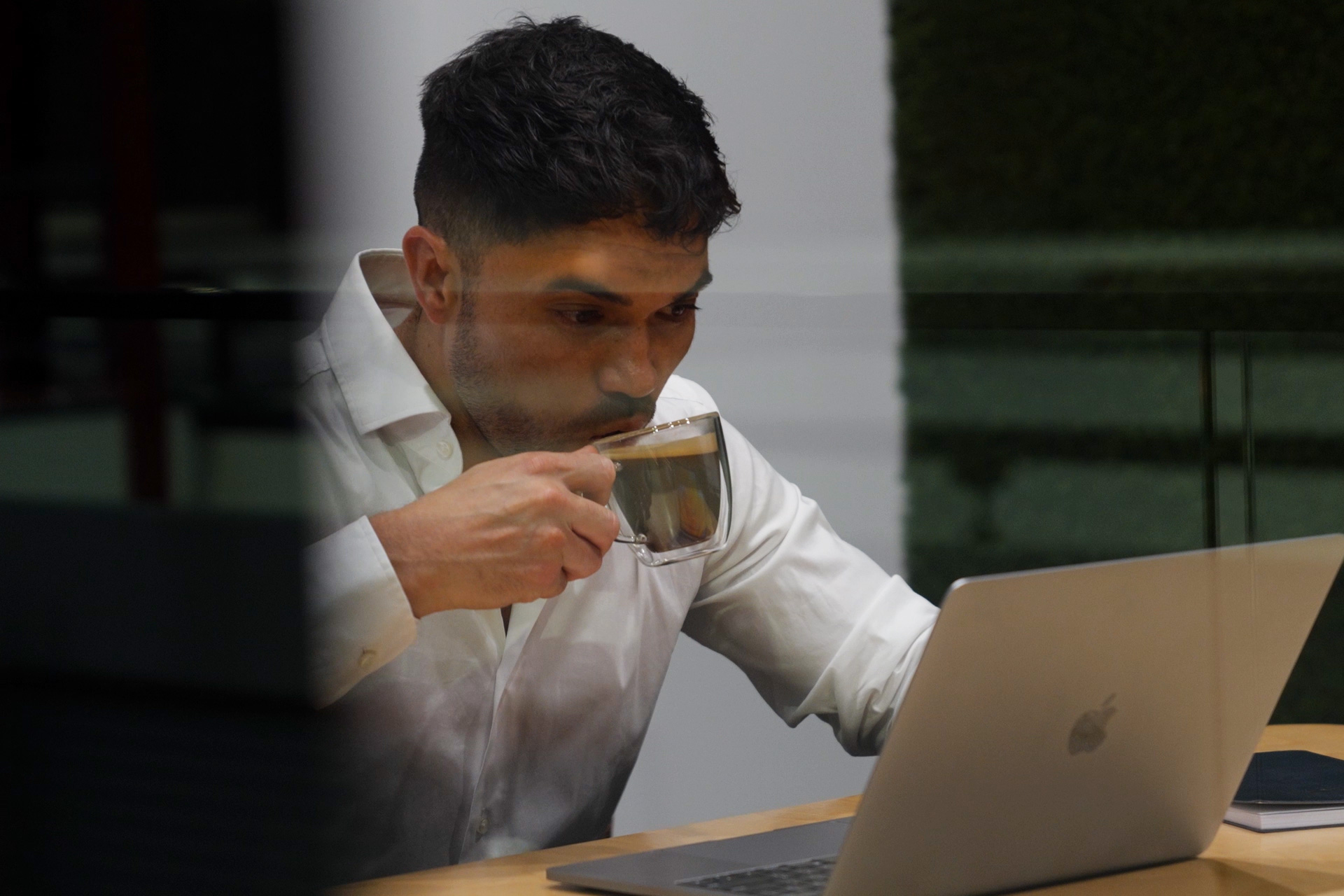
Begin with a single, simple, tactile action—making a cup of tea, adjusting the angle of your desk lamp, or putting on a pair of noise-cancelling headphones without music. Then, articulate the single, specific “known variable” of the session. Not a vague goal like “work on project,” but a sentence like, “I will draft the second paragraph of the introduction, proving that X leads to Y.” This act of naming the task forces the latent energy in your brain to organize itself. It banishes the “what should I do?” paralysis that sits at the gate of every productive session. You are not opening a browser; you are opening a door to a room you have already built.

The Inevitable Slip: The Art of the Non-Judgmental Return
Here is where the perspective shift is most profound. The flow ritual is not about perfection; it is about the *return*. Every single person who achieves flow loses it. A thought intrudes. An email notification slips through. Your mind wanders to a grocery list. The untrained person labels this a “failure” and the session is dead. The expert, however, does not judge the slip. They have a ritual for the return.
When you catch yourself drifting, do not fight it. Acknowledge the thought with a silent, “Noted.” Then, return your gaze to the physical object of your work—the blank cursor, the physical paper, the sketch. Do not try to “remember” where you left off. Just start writing the next word. The act of returning, without emotional weight, is itself the practice. Each return strengthens the neural pathway back to the flow state. Over time, the time between the slip and the return shrinks from minutes to seconds. This is the superpower: resilience of focus, not mere absence of distraction.
The Termination: The Hard Stop as a Creative Engine
The final, and most counterintuitive, element of the ritual is the hard stop. When the 90-minute timer rings, you stop. Even if you are mid-sentence. Even if you are feeling “hot.” This feels wrong. It feels like breaking the momentum. But this is the secret to unlocking tomorrow’s flow.
By stopping at a point of engagement—a place where you know exactly what comes next—you are leaving a cognitive “hook” in the subconscious. Your brain, freed from the pressure of the session, will continue to work on the problem in the background, during a walk, a shower, or sleep. You wake up the next day not to a blank page, but to a continuation. This turns productivity from a daily battle into a rhythmic, sustainable cycle. The ritual is not about extracting every drop of energy; it is about creating a renewable source of it.
This is the new contract you sign with your time. You stop chasing productivity. You start cultivating flow. The ritual is the vessel. Your work is the water. Let it pour.
Leave a comment