


What if I told you that motivation isn’t something you *find*—it’s something you *build*? Like a muscle that weakens without use or a fire that dies without kindling, motivation isn’t a fleeting spark but a craft you can master. Yet, most of us treat it like a guest who arrives unannounced, stays for a while, and then vanishes without warning. Why does motivation fade? And more importantly—how do you keep it alive when the going gets tough?
Let’s be honest: chasing motivation is exhausting. You wait for it to strike like lightning, only to realize you’ve been sitting on the couch for hours, wondering why the to-do list remains untouched. The truth? Motivation isn’t the starting gun—it’s the fuel. And if you don’t know how to stoke the fire, it’ll burn out before you even begin. So, how do you build a motivation that doesn’t just flicker but roars?
—
The Myth of the Motivation Fairy: Why Waiting for It to Strike is a Loser’s Game
Picture this: You’re scrolling through social media, and suddenly, an inspirational quote pops up—something like, “Motivation is what gets you started. Habit is what keeps you going.” Your heart races. You feel a surge of determination. “Today’s the day!” you declare. Two hours later, you’re back to binge-watching cat videos, wondering what went wrong.
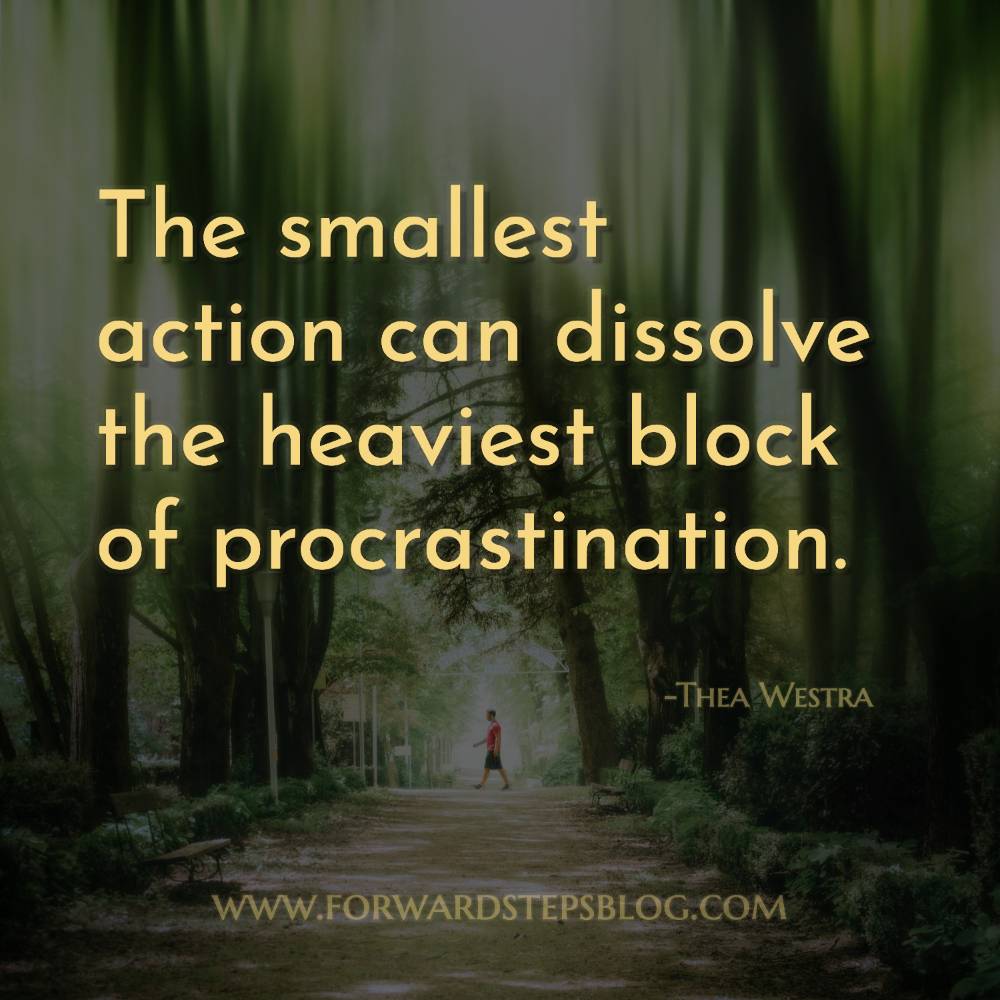
Here’s the hard truth: Motivation is a liar. It promises big feelings and grand gestures but delivers nothing when you need it most. The real power lies in action, not waiting. Studies show that motivation follows behavior, not the other way around. In other words, you don’t need to *feel* motivated to start—you just need to start, and the motivation will catch up.
Think of it like a car engine. You can’t rev the engine endlessly without fuel and expect it to keep running. But once you turn the key and start driving, the momentum keeps the engine humming. Motivation works the same way. The first step is the hardest, but it’s the only step that matters.
—
The Tiny Habits Trap: Why Big Goals Are Motivation Kryptonite
We’ve all been there: You set a massive goal—write a book, lose 50 pounds, launch a business—and within a week, the excitement fades faster than a New Year’s resolution. Why? Because big goals are motivation vampires. They drain your energy before you even begin.
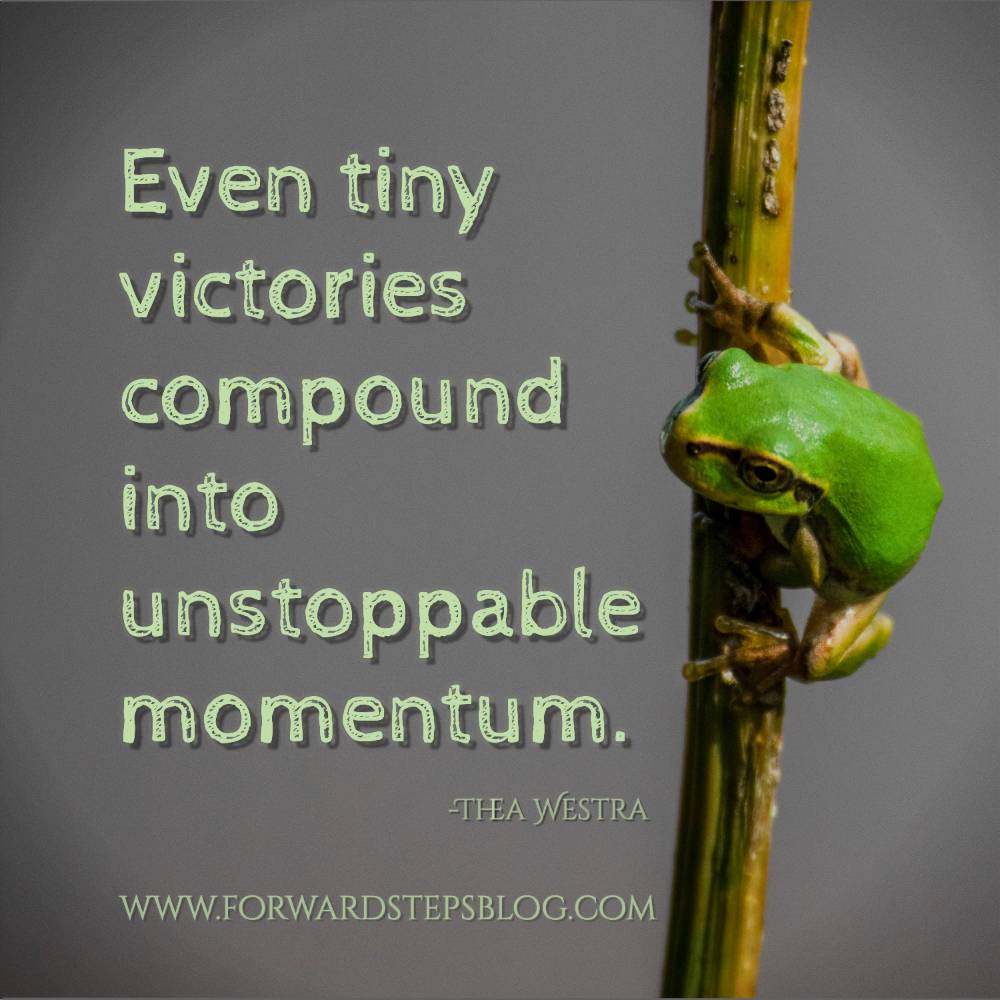
Instead of aiming for the moon, what if you set your sights on a single step? Tiny habits are the secret weapon of motivation. Research from Stanford professor BJ Fogg shows that starting with a 2-minute task (like flossing one tooth or writing one sentence) can snowball into lasting change. The key isn’t willpower—it’s scalability.
Here’s how to hack the system:
- Start stupidly small. Want to exercise? Do one push-up. Want to read more? Read one page. The goal isn’t to achieve greatness in a day—it’s to prove to yourself that you can start.
- Stack habits. Attach a new habit to an existing one. For example, “After I brush my teeth, I’ll write one sentence in my journal.” This leverages existing routines to build new ones.
- Celebrate like you just won the lottery. Tiny wins deserve big celebrations. Did you write that one sentence? Dance. Did you do that one push-up? High-five the air. Positive reinforcement wires your brain to crave the habit.
Motivation thrives on progress, not perfection. When you focus on the smallest possible action, you trick your brain into believing the task is manageable—and suddenly, the mountain doesn’t seem so steep.
—
The Accountability Illusion: Why Going It Alone is a Motivation Death Sentence
You’ve heard the saying, “Accountability is the breakfast of champions.” But here’s the twist: Accountability isn’t about punishment—it’s about partnership. When you’re solely responsible for your motivation, you’re setting yourself up for failure. Why? Because human nature thrives on connection.
Think about the last time you committed to something publicly. Maybe it was a fitness challenge, a work project, or even a social media post about your goals. The moment you shared it, something shifted. Suddenly, the stakes felt higher—not because you cared more, but because you didn’t want to let others (or yourself) down.
Here’s how to leverage accountability without feeling like you’re in a boot camp:
- Find your “motivation buddy.” This isn’t about nagging—it’s about shared energy. Check in weekly, share wins, and troubleshoot setbacks together.
- Join a community. Whether it’s a mastermind group, a Reddit forum, or a local club, surrounding yourself with people on the same journey amplifies your own drive.
- Use the “Seinfeld Strategy.” Jerry Seinfeld’s productivity hack was simple: “Don’t break the chain.” Mark an X on a calendar for every day you complete your habit. The visual chain becomes a powerful motivator.
Accountability isn’t about guilt—it’s about creating a support system that keeps you honest. When you know someone is cheering for you (or gently nudging you), motivation becomes less of a solo act and more of a team sport.
—
The Environment Equation: How Your Surroundings Shape Your Motivation
Motivation isn’t just in your head—it’s in your environment. If your workspace is cluttered, your phone is a distraction magnet, and your fridge is stocked with junk food, your motivation will drown in the chaos. The good news? You can design your surroundings to work for you, not against you.
Start with these tweaks:
- Declutter your space. A clean workspace reduces mental clutter. Before you start your day, spend five minutes tidying up. You’ll be amazed at how much lighter you feel.
- Remove friction. Want to work out? Lay out your gym clothes the night before. Want to write? Keep your notebook on your pillow. The less effort it takes to start, the more likely you’ll follow through.
- Leverage visual cues. Place reminders where you can’t ignore them—a sticky note on your mirror, a vision board on your wall, or a motivational quote as your phone wallpaper.
Your environment is a silent partner in your motivation. When you shape it intentionally, you remove the obstacles that sabotage your progress before they even appear.
—
The Reset Button: How to Rekindle Motivation When It Fizzles Out
Even the most disciplined among us hit walls. A bad day, a setback, or sheer burnout can make motivation feel like a distant memory. The difference between those who succeed and those who quit? The ability to hit reset.
Here’s your emergency motivation toolkit:
- The 5-Second Rule. When you feel resistance, count down from 5 and physically move. This interrupts overthinking and forces action.
- Change your scenery. Stuck in a rut? Take a walk, work from a café, or rearrange your desk. A new environment can spark fresh energy.
- Revisit your “why.” Write down the reason you started. Is it still meaningful? If not, adjust your goal. Motivation thrives on purpose.
- Embrace the mess. Progress isn’t linear. Some days, you’ll do less than you hoped—and that’s okay. The key is to keep going, not to be perfect.
Motivation isn’t a one-time event—it’s a cycle. When it fades, don’t panic. Treat it like a wave: it’ll come back if you ride it out.
—
Final Thought: Motivation is a Verb, Not a Noun
At the end of the day, motivation isn’t something you *have*—it’s something you *do*. It’s the discipline of showing up, the courage to start small, and the wisdom to design your life in a way that makes success inevitable.
So the next time you feel that familiar pull to procrastinate, ask yourself: What’s one tiny step I can take right now? The answer might just be the spark you’ve been waiting for.
Leave a comment