


The Well-Being Retention Loop: How Happiness Keeps Students Enrolled
The first day of class arrives like a fresh canvas, its edges crisp with possibility. Students step into lecture halls or log into virtual classrooms, their backpacks bulging with notebooks and their minds teeming with ambition. Yet, as the semester unfolds, the initial spark often flickers. Attendance wanes. Engagement dwindles. The question lingers: What transforms fleeting curiosity into lasting commitment? The answer lies not in the rigor of the curriculum, but in the quiet alchemy of well-being—a self-sustaining cycle where happiness fuels persistence, and persistence, in turn, deepens happiness.
This is the Well-Being Retention Loop, a dynamic, invisible engine that powers student loyalty. It’s not a policy or a program; it’s a feeling that grows when students feel seen, supported, and valued. When institutions nurture this loop, they don’t just retain students—they cultivate a community where learning feels less like a chore and more like a calling. Let’s explore how this loop works, why it’s transformative, and how educators can activate it in every corner of campus life.
The Foundation: Emotional Anchors in a Sea of Uncertainty
Imagine a student navigating the choppy waters of academic life. Deadlines loom like storm clouds. Social pressures build like tides. Without anchors, even the most determined voyager can drift off course. Emotional anchors—those moments of genuine connection, recognition, and belonging—are the first threads of the Well-Being Retention Loop.
These anchors aren’t grand gestures. They’re the professor who remembers a student’s name. The peer who shares a study tip over coffee. The advisor who notices a change in mood and reaches out. Each interaction plants a seed of trust. Over time, these seeds sprout into roots that ground students in their academic journey. Research shows that students who feel emotionally connected to their institution are three times more likely to persist through challenges. That’s not just retention—it’s transformation.
But emotional anchors require intention. They demand active listening, empathy, and consistency. Institutions that prioritize relational well-being—through mentorship programs, peer support networks, and inclusive spaces—are essentially weaving a safety net beneath every student. And safety nets don’t just catch falls; they invite daring leaps.
The Engine: Momentum Through Meaning
Once anchored, students begin to move—not out of obligation, but out of purpose. This is where the Well-Being Retention Loop shifts into high gear. Purpose acts like a gravitational pull, drawing students forward even when motivation wanes. It’s the realization that their efforts aren’t just for grades, but for growth, contribution, and self-discovery.
Consider the student who joins a research project not for credit, but for curiosity. Or the one who tutors a peer, finding meaning in shared struggle. These experiences create intrinsic motivation, a force far more potent than external rewards. When students see their learning as part of a larger narrative—one that includes their values, passions, and future selves—they’re not just attending class; they’re investing in a story they want to be part of.
Educators can stoke this engine by designing curricula that connect to real-world relevance. Project-based learning, community-engaged courses, and interdisciplinary explorations all serve as fuel. When students see how their studies ripple into the world, their engagement isn’t just sustained—it’s ignited. And once lit, that flame is hard to extinguish.
The Glue: Community as Curriculum
No student thrives in isolation. The Well-Being Retention Loop thrives on community—the invisible web of relationships that holds students up when they stumble. This isn’t about forced socialization or mandatory events. It’s about creating environments where belonging feels organic, not performative.
Imagine a first-generation college student walking into a room where everyone looks like them. Or a student with a disability finding a club where they’re not just accommodated, but celebrated. These spaces don’t just reduce dropout rates; they redefine what it means to belong. They turn “I’m here because I have to be” into “I’m here because I’m part of something.”
Community also acts as a buffer against stress. When students know they have people to turn to—whether for academic help, emotional support, or just a laugh—they’re less likely to spiral during tough times. This is the power of collective resilience. A student who feels alone may drop out at the first sign of difficulty. But one who is surrounded by a network of care? They persist. They adapt. They grow.
Institutions can cultivate this glue through intentional design: living-learning communities, affinity groups, and peer mentorship programs. Even small gestures—like faculty attending student events or hosting open office hours in communal spaces—send a powerful message: You matter here. And when students feel that, they stay.
The Catalyst: Feedback Loops That Amplify Growth
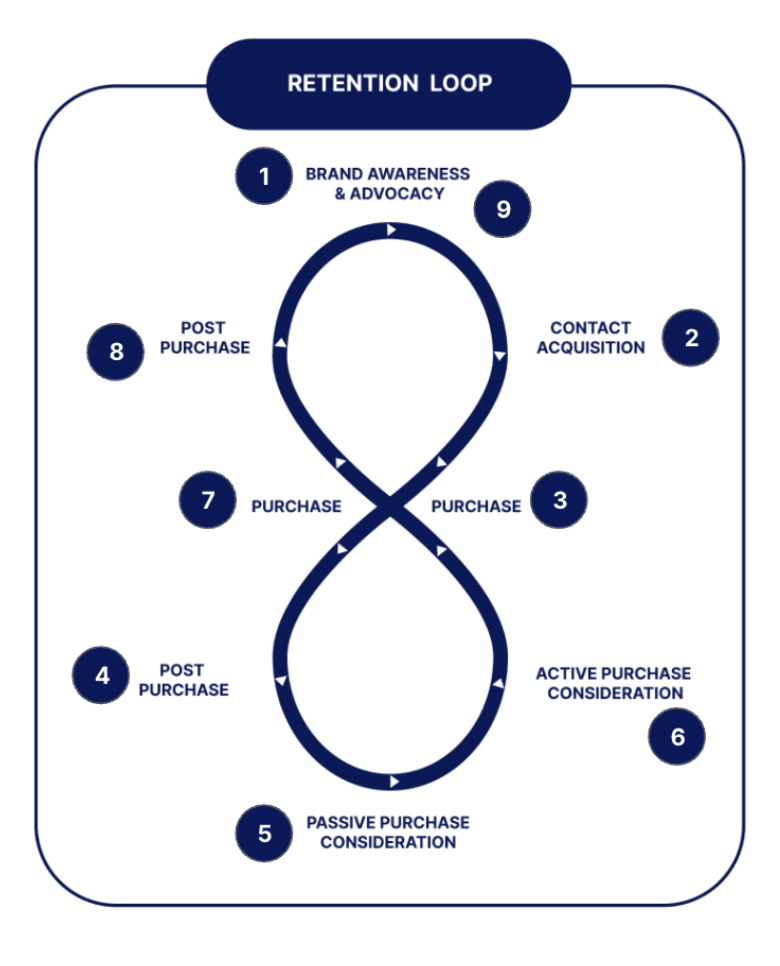
Every loop needs feedback—signals that tell the system it’s on track. In the Well-Being Retention Loop, feedback comes in the form of recognition, progress, and affirmation. It’s the professor’s nod of approval. The advisor’s email celebrating a milestone. The peer’s text saying, “You’ve got this.” These moments aren’t just nice to have; they’re essential.
Feedback loops work best when they’re timely, specific, and frequent. A generic “Great job!” pales in comparison to “Your analysis in the final paper was particularly insightful—it showed real growth in your critical thinking.” The latter doesn’t just validate effort; it highlights progress, reinforcing the student’s belief in their own abilities.
Institutions can amplify these loops through structured check-ins, reflective journals, and transparent grading systems. When students see clear pathways to improvement—and receive consistent encouragement—they’re more likely to view challenges as temporary rather than insurmountable. That shift in mindset is the difference between giving up and pushing forward.
The Horizon: From Retention to Transformation
The ultimate promise of the Well-Being Retention Loop isn’t just higher graduation rates. It’s the cultivation of lifelong learners—individuals who see education not as a transaction, but as a transformative journey. When students feel happy, supported, and connected, they don’t just complete their degrees; they thrive within them.
This loop doesn’t end at graduation. Its echoes reverberate through alumni networks, professional communities, and personal growth. A student who experienced the Well-Being Retention Loop is more likely to become an engaged alum, a mentoring professional, and a resilient leader. They carry the lessons of belonging and purpose into every aspect of their lives.
For educators, the call is clear: Build systems that prioritize well-being as fiercely as they prioritize academics. Design spaces where students don’t just survive—they flourish. And remember, the most powerful retention strategy isn’t a policy or a program. It’s the quiet, consistent work of making every student feel seen, valued, and capable of greatness.
When that happens, the loop doesn’t just retain students—it transforms lives. And that’s a story worth investing in.
Leave a comment