


Imagine waking up each day with a sense of control—not because you’ve mastered every variable, but because you’ve designed your life to adapt effortlessly. A life that scales smoothly isn’t about doing more; it’s about creating systems that grow with you. It’s the difference between drowning in chaos and gliding through change with purpose. This isn’t just about productivity hacks or rigid routines. It’s about rethinking the very architecture of your existence so that every decision, habit, and relationship serves your long-term vision. Let’s explore how to build such a life, one layer at a time.
The Myth of the “Balanced” Life
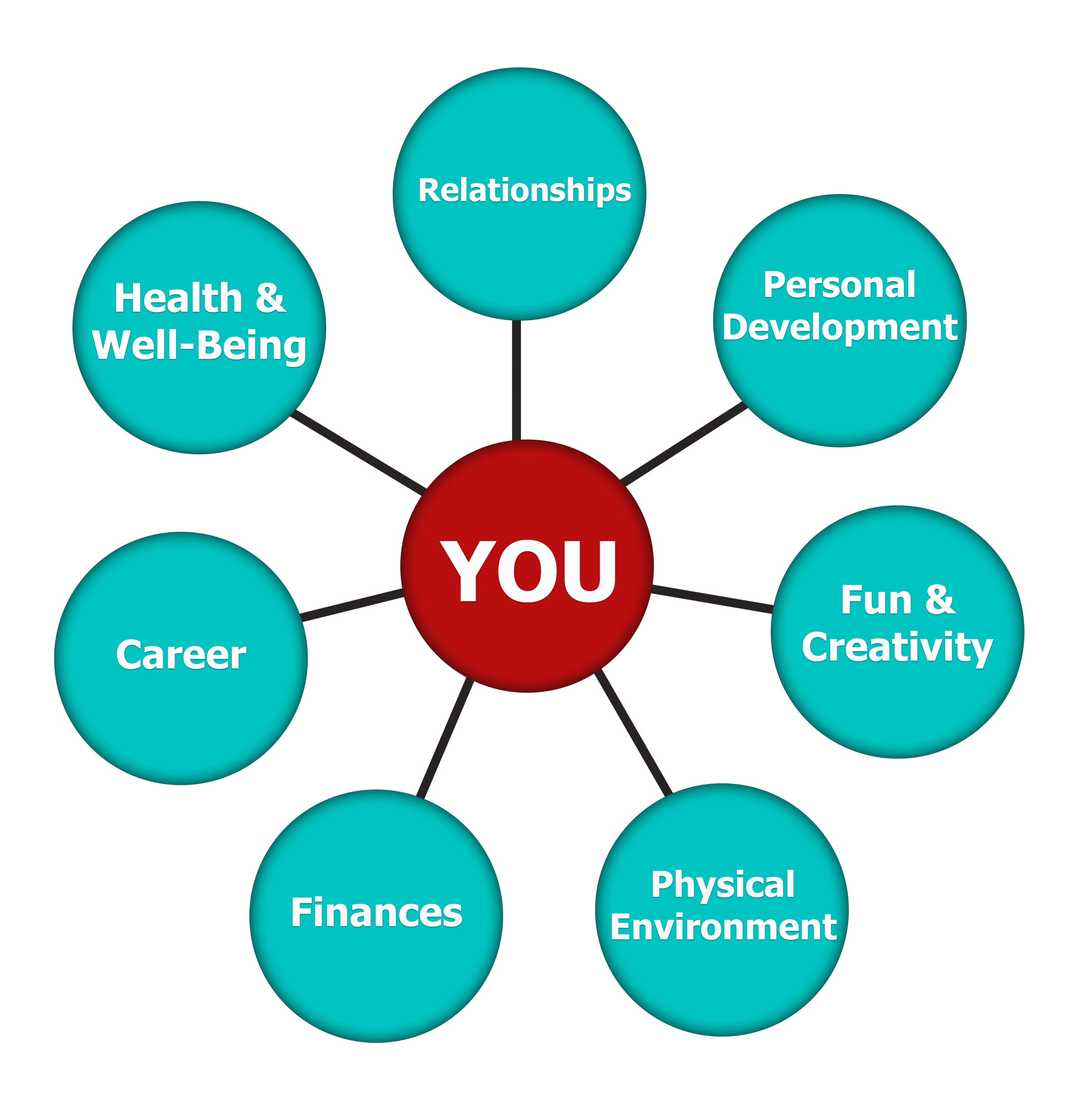
We’ve all seen those infographics—the life balance wheel divided into neat slices labeled “work,” “health,” “relationships,” and “hobbies.” But here’s the hard truth: balance is a myth. Life isn’t a static equation where you allocate equal time to every domain. Instead, think of it as a dynamic ecosystem where some areas flourish while others take a backseat—temporarily. The key isn’t balance; it’s resilience.
Consider the seasons of life. A young entrepreneur might prioritize career growth over fitness, while a parent of teenagers may shift focus to family. Neither is “unbalanced”—they’re adapting. The goal isn’t to force equilibrium but to cultivate the ability to pivot without losing sight of what matters. This requires a shift from rigid planning to flexible frameworks. Ask yourself: What systems can I put in place now that will serve me in five years, even if my priorities change?

Design Your Life Like a Business
Businesses scale by building processes, not by relying on heroics. Your life can do the same. Start by identifying the “core functions” that drive your well-being—health, relationships, finances, and personal growth. Then, design scalable systems around them.
For example, health isn’t just about sporadic gym sessions; it’s about creating a nutrition plan that adapts to your schedule, sleep hygiene that adjusts for travel, and stress-management tools that fit your personality. Relationships aren’t maintained through forced check-ins but through intentional rituals—like a weekly “no phones” dinner or annual trips with loved ones. Finances scale when you automate savings, investments, and bill payments, freeing mental bandwidth for bigger decisions.
The magic happens when these systems become self-sustaining. You’re not managing your life day-to-day; you’re curating an environment where your future self thrives. Start small: pick one area to systematize this week. Track your progress, refine the process, and watch as the compounding effect takes hold.
The Power of “Good Enough” Decisions
Perfectionism is the enemy of scalability. Every time you agonize over a minor choice—a meal, an outfit, a social obligation—you drain energy that could fuel your long-term goals. The solution? Adopt the “80% rule.” Ask yourself: Will this decision matter in a year? If not, default to the option that requires the least cognitive load.
This doesn’t mean settling for mediocrity. It means recognizing that most decisions are reversible or inconsequential. The goal is to reserve your mental firepower for the 20% of choices that truly move the needle. Over time, this habit reduces decision fatigue, freeing you to focus on what’s truly important.
Try this: For the next seven days, set a timer for two minutes when faced with a non-critical decision. After two minutes, choose the first option that comes to mind. You’ll be surprised how often this leads to better outcomes—and how much mental clutter you eliminate.
Relationships as Scalable Assets
Your network is your net worth—but only if it’s nurtured strategically. Scalable relationships aren’t built on superficial connections or transactional exchanges. They’re cultivated through consistent, high-value interactions that deepen over time.
Start by auditing your current relationships. Which ones energize you? Which ones drain you? Prioritize the former and set boundaries with the latter. Then, think about how to scale the positive connections. For example:
- Mentorship: Seek out one person whose career or life you admire. Schedule a quarterly coffee chat to exchange insights. Over time, this becomes a low-maintenance way to learn and grow.
- Community: Join a mastermind group or online forum where you can share challenges and celebrate wins. The key is to contribute as much as you gain, ensuring the relationship remains mutually beneficial.
- Family: Instead of waiting for holidays to connect, create a monthly ritual—like a shared playlist or a virtual game night. These small, consistent touchpoints build stronger bonds than occasional grand gestures.
The goal isn’t to turn every relationship into a transaction but to create a web of support that grows organically. The stronger your network, the easier it becomes to navigate life’s inevitable challenges.
Embracing the “Anti-Goal” Mindset
Most advice focuses on what to do more of—learn a skill, network, exercise. But scalability also requires knowing what to stop doing. Enter the “anti-goal”: a deliberate choice to eliminate, delegate, or automate something that no longer serves you.
Start by listing the habits, commitments, or even people that drain your energy without reciprocal benefit. Then, take action. Maybe it’s unsubscribing from a newsletter you never read, delegating a task at work, or setting a boundary with a friend who’s always late. The goal isn’t to become rigid or unkind; it’s to create space for what truly matters.
Ask yourself: What’s one thing I can remove from my life this month that will free up time or mental energy? The answer might surprise you. Often, the biggest obstacles to scaling smoothly aren’t external—they’re the invisible weights we carry without realizing it.
The Long Game: Building a Life That Adapts
Scalability isn’t a destination; it’s a mindset. It’s about recognizing that life isn’t a straight line but a series of iterations. Some will go as planned; others will require a detour. The difference between those who thrive and those who merely survive is their ability to adapt without losing sight of their vision.
To build a life that scales smoothly, focus on three pillars:
- Systems over goals: Design processes that support your well-being, not just your achievements.
- Flexibility over rigidity: Embrace the 80% rule and let go of perfectionism.
- Relationships over transactions: Invest in connections that grow with you, not against you.
Start today. Pick one area of your life to systematize, one relationship to deepen, and one commitment to eliminate. Then, observe how the ripple effects unfold. You won’t wake up tomorrow in a perfectly scaled life—but you’ll take the first step toward one.
Remember: The goal isn’t to do everything at once. It’s to create a life where growth feels effortless, not exhausting.
Leave a comment