


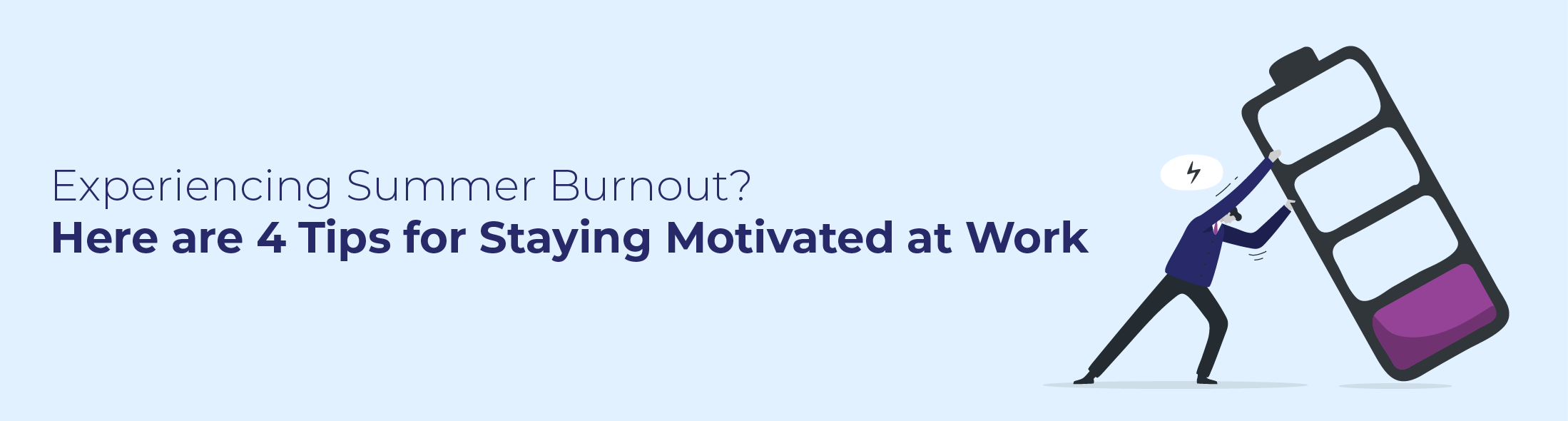
What if the secret to staying motivated isn’t sheer willpower, but a carefully crafted dance between ambition and self-preservation? The modern world glorifies hustle culture, but what happens when the grind turns into a slow fade of exhaustion? Burnout isn’t just a buzzword—it’s a silent productivity killer, lurking in the shadows of every ambitious goal. The real challenge? Staying driven without letting motivation become a one-way ticket to burnout. Let’s explore how to master this delicate balance.
Why Motivation Fades (And How Burnout Sneaks In)
Motivation is like a candle—it burns brightest when first lit, but without proper care, it flickers and dies. The initial spark of excitement fades when reality sets in: deadlines loom, energy dips, and the novelty wears off. Burnout, on the other hand, is the slow creep of disengagement. It starts with small signs—ignoring breaks, pushing through fatigue, or sacrificing sleep for “just one more task.” Before you know it, what once felt invigorating now feels like a slog.
Psychologists call this the “motivation burnout cycle.” It begins with overcommitment, where enthusiasm outpaces capacity. Without boundaries, motivation curdles into resentment. The key to breaking the cycle? Recognizing the difference between healthy drive and self-sabotage.

The Myth of “Hustle Harder”
Society worships the “hustle harder” mentality, but grinding without strategy is like running a marathon with no water stations—eventually, you collapse. Sustainable motivation thrives on rhythm, not relentless pace. Studies show that prolonged stress rewires the brain, shrinking focus and amplifying procrastination. The fix? Intentional pauses, not just forced breaks.
The Playful Paradox: Can You Motivate Yourself Without Burning Out?
Here’s a thought experiment: Imagine motivation as a game. The rules? You earn points for progress, but lose them if you ignore rest. The twist? The game ends when you hit burnout. Would you play differently if the stakes were this clear? Most people would—because games have built-in rewards for balance. Real life should too.
This playful approach isn’t about trivializing effort; it’s about reframing discipline as a sustainable system. The challenge? Outsmarting your brain’s tendency to prioritize short-term wins over long-term health. The solution? Gamify your goals with milestones that celebrate both achievement and recovery.

The Power of “Micro-Rewards”
Small incentives—like a 10-minute walk after a task or a favorite snack—can trick your brain into associating effort with pleasure. Unlike grand rewards (e.g., a vacation after a year of work), micro-rewards provide immediate feedback, keeping motivation alive without the crash-and-burn aftermath.
Designing Your Motivation System: Lessons from the Science of Flow
Psychologist Mihaly Csikszentmihalyi’s concept of “flow” reveals a critical truth: Motivation peaks when challenge and skill are perfectly matched. Too easy? Boredom sets in. Too hard? Anxiety takes over. Burnout thrives in the gap between these extremes. The fix? Curate your workload to stay in the “sweet spot.”
This requires ruthless prioritization. Not all tasks deserve your peak energy. Ask: Is this aligned with my goals? Will it drain me or energize me? The most motivated people aren’t those who do more—they’re those who do the right things with the right energy.
The Role of “Energy Audits”
Track your energy levels like a scientist tracks an experiment. Note when you’re most alert (morning person? Night owl?) and schedule demanding tasks for those windows. Reserve low-energy periods for administrative work or creative brainstorming. This isn’t laziness—it’s optimization.
When Motivation Becomes a Trap: The Burnout Red Flags
Motivation is a double-edged sword. It can propel you forward or blind you to your own limits. The danger zone? When you confuse busyness with productivity, or when “just one more thing” becomes a daily mantra. Burnout doesn’t announce itself with a drumroll—it whispers in the form of irritability, cynicism, or physical exhaustion.
Recognize these signs early. Are you snapping at colleagues over minor issues? Do you dread tasks you once enjoyed? These aren’t signs of weakness—they’re signals from your body demanding a reset. The art of staying motivated isn’t about pushing through pain; it’s about knowing when to pivot.
The “Two-Minute Rule” for Burnout Prevention
When you feel resistance creeping in, pause for two minutes. Ask: Is this task essential, or am I avoiding something else? Often, burnout stems from misaligned priorities. The two-minute rule forces clarity without derailing momentum.
Rebuilding Motivation: The Reset Protocol
If burnout has already taken hold, don’t panic. Motivation isn’t gone—it’s just buried under layers of fatigue and frustration. The reset begins with a single question: What would make this feel manageable again?
For some, it’s a digital detox. For others, it’s delegating tasks or setting firm boundaries (e.g., no emails after 7 PM). The key is to start small. Rebuild motivation like you’d rebuild a muscle—gradually, with intention.
The “5-4-3-2-1 Rule” for Overcoming Resistance
When procrastination strikes, count down from 5 and physically move. This interrupts the mental loop of avoidance. Pair it with a tiny action (e.g., opening a document) to trick your brain into engagement. Momentum builds from motion.
Final Thought: Motivation as a Verb, Not a Noun
Motivation isn’t a static state you achieve—it’s a dynamic practice you cultivate. The most resilient people aren’t those who never burn out; they’re those who recognize the signs, adjust their approach, and treat rest as a non-negotiable part of the process.
So, can you outsmart your own limits? Absolutely. But the real victory isn’t in avoiding burnout—it’s in redefining what motivation looks like for you. Maybe it’s not about working harder, but working smarter. Maybe it’s not about pushing through pain, but knowing when to step back. The art of staying motivated without burnout isn’t a hack—it’s a mindset.
Now, go design your system. Your future self will thank you.
Leave a comment