


The modern tech worker’s life is a digital ballet—an intricate dance between innovation and inertia, where the glow of screens replaces the golden hues of sunset, and the hum of processors replaces the rustle of leaves. Yet, this symphony of silicon and circuits comes with a silent, creeping cost: the slow erosion of physical well-being. Screen time, once a novelty, has become a relentless companion, its luminous gaze casting long shadows not just on walls, but on the very architecture of our spines. For those who spend their days weaving code, designing interfaces, or crunching data, the body often becomes an afterthought—a neglected vessel in the race toward the next release, the next milestone. But what happens when the vessel begins to crack? When the once-flexible spine stiffens like overused code, and the shoulders hunch forward like a compiler stuck in an infinite loop? The answer lies not in the digital realm, but in the very real, very human need to reclaim the body from the tyranny of the screen.
The tech worker’s world is one of paradox: a landscape of infinite possibility, yet one that often imprisons the body in static postures. Hours melt into days as fingers tap, eyes scan, and minds race—each click a step deeper into the labyrinth of productivity. But the body, unlike the systems we build, is not designed for perpetual stillness. It thrives on motion, on the ebb and flow of tension and release. When denied this rhythm, it rebels—first with whispers, then with roars. The neck aches. The upper back tightens. The lower spine groans under the weight of unsupported hours. This is not mere discomfort; it is a silent mutiny, a rebellion of flesh against the unyielding demands of the digital age.
The Spine as a Fragile Bridge: How Screens Warp Posture
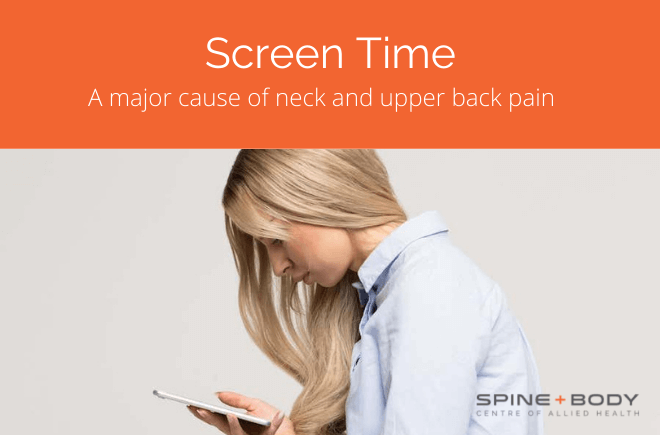
Imagine the human spine not as a rigid column, but as a suspension bridge—an elegant, dynamic structure designed to bear weight while allowing for fluid movement. Now picture what happens when that bridge is forced into a single, unchanging arc, day after day. The cervical spine, the delicate scaffolding of the neck, bears the brunt of this distortion. Each downward glance at a screen is like adding another ton of weight to a single cable, straining the fibers until they fray. Over time, this creates a phenomenon known as “text neck,” a modern malady where the head, weighing roughly 10 to 12 pounds in neutral alignment, can exert up to 60 pounds of force when tilted forward just 60 degrees. The result? Chronic pain, muscle fatigue, and a posture that ages the body decades in mere years.
But the damage doesn’t stop at the neck. The upper back, that unsung hero of stability, begins to collapse inward, its natural kyphotic curve exaggerated into a hunched silhouette reminiscent of a question mark. The shoulders roll forward, the chest caves, and the lungs—those vital organs of breath—find themselves squeezed into a smaller and smaller space. Breathing becomes shallow. Energy plummets. And the mind, once sharp and agile, grows foggy, as if the very oxygen it craves has been rationed by an invisible hand.
This is not just a physical issue; it is a cognitive one. Studies show that poor posture can impair cognitive function, reducing blood flow to the brain and diminishing focus. The tech worker, already prone to mental fatigue, now faces a double burden: a body in revolt and a mind struggling to keep pace.
The Ergonomic Illusion: Why Chairs and Keyboards Aren’t Enough
Walk into any modern tech office, and you’ll likely find ergonomic chairs that promise salvation, keyboards that whisper comfort, and monitors that adjust to eye level with the precision of a Swiss watch. Yet, despite these tools, the epidemic of back pain persists. Why? Because ergonomics, in its traditional sense, is a static solution to a dynamic problem. It assumes that the body can be locked into an ideal position and remain there indefinitely. But the human form is not a machine. It is a living, breathing entity that demands movement, variation, and rest.
The truth is that even the most advanced ergonomic setup cannot compensate for the fundamental flaw in our digital work culture: the assumption that productivity is measured in hours spent at a desk, not in the vitality of the person behind the screen. The body is not a tool to be optimized; it is a system to be nurtured. And nurturing requires more than a lumbar cushion—it demands a revolution in how we think about work itself.
Consider the standing desk, once hailed as the panacea for sedentary lifestyles. While it offers reprieve from prolonged sitting, standing in one place for hours is no better than sitting. The key lies not in replacing one static posture with another, but in embracing fluidity. The body thrives on micro-movements: shifting weight, stretching, walking, even fidgeting. These small acts are not distractions from productivity; they are the very essence of it. A body in motion is a mind in motion, and a mind in motion is a mind that solves problems, sparks creativity, and resists the creeping paralysis of chronic pain.
The Digital Detox Paradox: Rest as a Productivity Hack
In a culture that glorifies hustle, the idea of rest is often met with skepticism. “I’ll rest when I’m dead,” goes the refrain. But what if rest is not the enemy of productivity, but its greatest ally? The tech worker’s brain, constantly bombarded by stimuli, needs downtime like a garden needs rain. Without it, the mind becomes overgrown with stress, its pathways clogged with cortisol and fatigue.
Enter the concept of the “digital detox”—not as a week-long escape to a remote cabin, but as a daily ritual of recalibration. This could mean the 20-20-20 rule: every 20 minutes, look at something 20 feet away for 20 seconds. Or it could mean a five-minute walk every hour, a chance to reset the spine, the eyes, and the nervous system. These are not indulgences; they are maintenance routines, as essential as charging a laptop before a long coding session.
But detox doesn’t stop at the body. The mind, too, needs to unplug. Meditation, even in its simplest form, can act as a neural reset button, pulling the focus away from the relentless scroll of notifications and into the present moment. The result? Sharper cognition, deeper creativity, and a spine that no longer feels like it’s carrying the weight of the world.
The Hidden Cost of the “Always On” Culture
There’s a term in tech circles: “death by a thousand cuts.” It refers to the slow, cumulative damage of small, seemingly insignificant stressors. Screen time is one such cut—a daily erosion of well-being that, over time, can lead to chronic pain, burnout, and even long-term musculoskeletal disorders. But the damage extends beyond the physical. The “always on” culture, where emails are answered at midnight and Slack messages demand instant replies, creates a state of perpetual alertness. The body never truly rests. The nervous system remains in fight-or-flight mode. And the spine, that delicate bridge, bears the brunt of this tension.
This is not just a personal issue; it’s a systemic one. Companies that prioritize output over well-being are, in essence, building their empires on the backs of broken bodies. The most innovative workplaces are not those with the fanciest perks, but those that recognize that a healthy employee is a creative, engaged, and loyal employee. Well-being is not a fringe benefit; it is the foundation of sustainable success.
Reclaiming the Body: A Manifesto for the Tech Worker
The path to reclaiming the body from the tyranny of the screen begins with a single, radical act: listening. Not to the ping of a new message, not to the pressure to “just one more thing,” but to the quiet signals of the body itself. When the neck tightens, stretch. When the eyes burn, blink. When the mind fogs, step away. These are not signs of weakness; they are the body’s way of saying, “I need care.”
It’s time to rewrite the narrative. Productivity is not measured in hours spent at a desk, but in the quality of those hours. Creativity is not sparked by relentless focus, but by the interplay of discipline and rest. And well-being is not a luxury; it is the bedrock of a life well-lived.
The tech worker’s greatest tool is not the latest software or the most powerful processor—it is the body itself. Treat it with the same reverence as the code you write. Nurture it. Respect its limits. And watch as it becomes not just a vessel for your work, but a source of strength, resilience, and joy.
The screen may glow, but the body remembers. It’s time to give it the attention it deserves.
Leave a comment