


The secret isn’t avoiding the chaos—it’s mastering the rhythm of resilience.
Why Consistency Feels Like a Battle (And How to Win It)
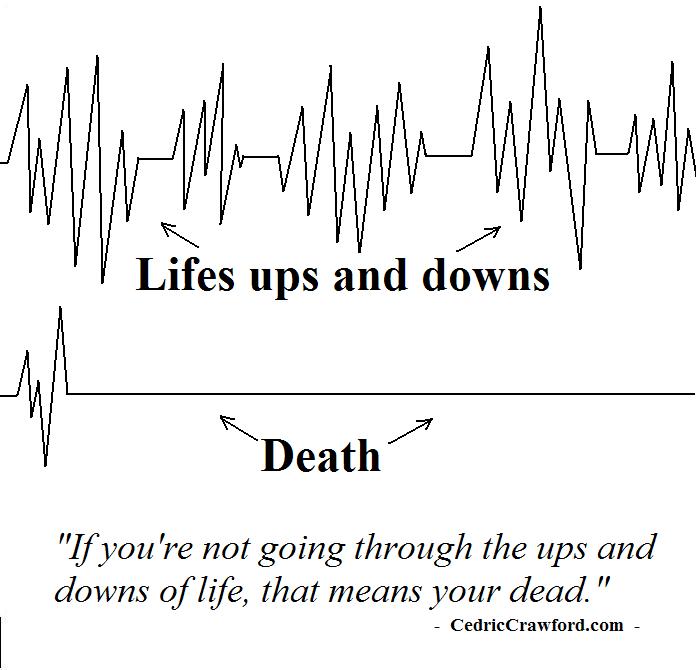
Life doesn’t follow a straight line. One day, you’re riding the high of a breakthrough; the next, you’re staring at a setback that feels like a punch to the gut. The real challenge isn’t the ups or the downs—it’s staying the course when neither feels sustainable.
Consistency isn’t about forcing yourself to be rigid. It’s about learning to dance with uncertainty while keeping your eyes on what truly matters. The people who thrive aren’t the ones who never stumble—they’re the ones who refuse to let stumbles define them.

The Myth of the “Perfect” Routine
We’ve all heard the advice: “Stick to a routine, and you’ll stay on track.” But what if your routine is part of the problem? What if the very structure you’ve built is crumbling under the weight of unexpected change?
Consistency isn’t about rigid schedules—it’s about adaptive discipline. It’s the ability to pivot when life demands it, without losing sight of your long-term vision. The most resilient people don’t cling to routines; they refine them. They ask: “What’s working now?” instead of “What did I plan?”
Think of it like sailing. A captain doesn’t fight the wind—they adjust the sails. Your routine should work the same way: flexible enough to bend with the wind, strong enough to keep you moving forward.
Small Habits, Big Shifts: The Power of Micro-Consistency
When life feels chaotic, the idea of “big changes” can feel overwhelming. That’s where micro-habits come in. These are the tiny, almost invisible actions that compound over time—like reading a single page of a book each day or taking a five-minute walk instead of scrolling through your phone.
Why do they work? Because they’re manageable. When everything else feels out of control, these small wins remind you that you’re still in the driver’s seat. They build momentum, one step at a time.
But here’s the catch: micro-habits only work if they’re intentional. It’s not about doing something just for the sake of it—it’s about choosing habits that align with your values. Ask yourself: “What’s one thing I can do today that will make tomorrow easier?”

The Emotional Anchor: How to Stay Grounded When Life Pulls You Under
Emotions are the compass of consistency. They tell you when something’s off, when you’re pushing too hard, or when you need to pause. The mistake? Ignoring them. The solution? Using them as a guide, not a dictator.
Start by naming what you’re feeling. Not “I’m stressed,” but “I’m overwhelmed because I’m juggling too much.” This simple act of clarity reduces the power of emotion over you. It turns chaos into a manageable challenge.
Next, ask: “What’s one thing I can control right now?” Maybe it’s taking a deep breath, delegating a task, or simply stepping outside for fresh air. Consistency thrives in the small acts of agency we claim when everything else feels out of reach.
When to Push Forward and When to Pull Back
There’s a fine line between persistence and self-sabotage. How do you know when to keep going and when to step back? The answer lies in your why.
Ask yourself: “Is this struggle temporary, or is it a sign I need to change direction?” If it’s temporary—a rough patch, a setback, a bad day—then consistency means pushing through. But if it’s a recurring pattern—a toxic relationship, a dead-end job, a habit that drains you—then consistency might mean walking away.
True resilience isn’t about enduring the unbearable. It’s about knowing when to fight and when to let go. The most consistent people aren’t the ones who never quit—they’re the ones who quit the right things.
The Long Game: Consistency as a Way of Life, Not a Sprint
Consistency isn’t a short-term tactic—it’s a long-term strategy. It’s the difference between a life of scattered efforts and one of deliberate progress. But how do you cultivate it when life keeps throwing curveballs?
Start by reframing your mindset. Instead of seeing consistency as a chore, see it as a superpower. It’s the reason some people achieve their dreams while others watch them slip away. It’s the reason some relationships last while others fade. It’s the reason some careers flourish while others stagnate.
Then, build your support system. Consistency isn’t a solo act. It’s about surrounding yourself with people who lift you up, challenge you, and remind you of your goals when you forget them. It’s about finding mentors, accountability partners, and communities that keep you grounded.
Finally, celebrate the journey. Consistency isn’t about reaching the destination—it’s about who you become along the way. Every small step, every setback overcome, every lesson learned is a victory. The ups and downs aren’t obstacles; they’re the rhythm of a life well-lived.
Leave a comment