


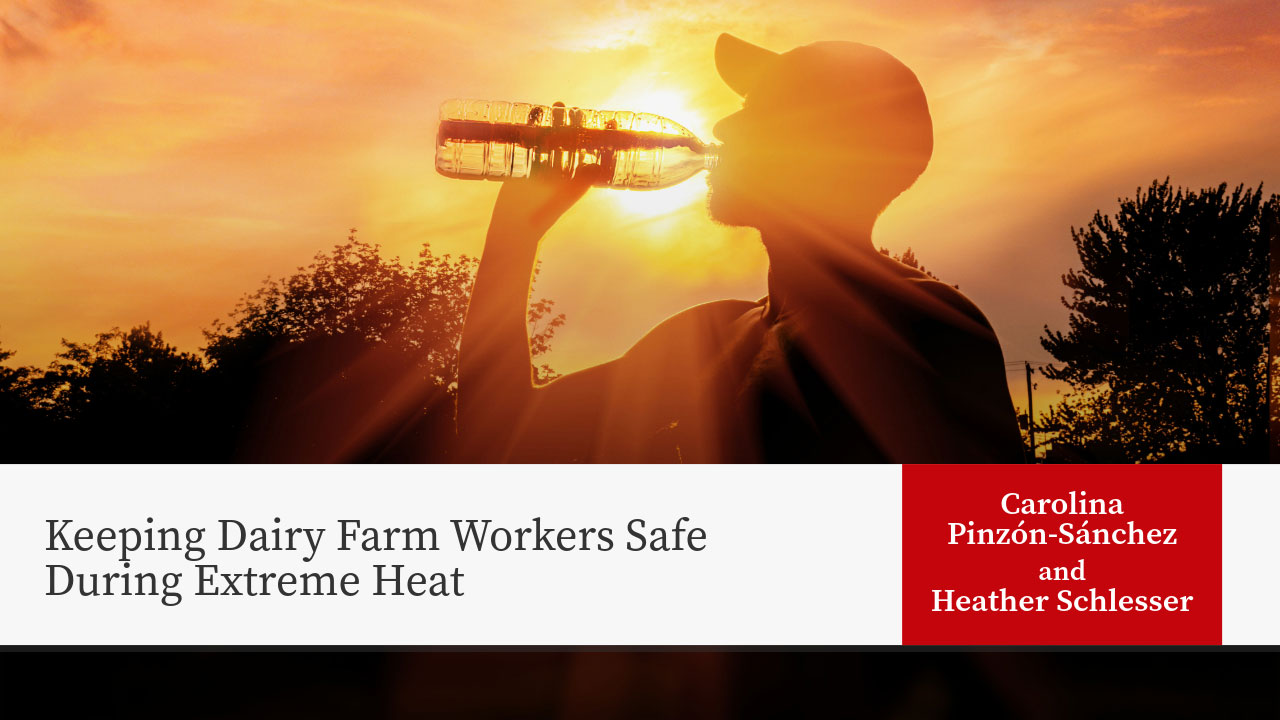
Have you ever wondered why farmworkers, the unsung heroes of our food system, seem to vanish into thin air when the sun beats down like a drum? The answer isn’t magic—it’s heat stress. As temperatures soar, the very land that feeds us becomes a silent adversary, testing the resilience of those who toil under its relentless gaze. But what if the real mystery isn’t the heat itself, but how we’re failing to shield the hands that feed the world?
Heat stress isn’t just a discomfort—it’s a creeping menace that can erode health, productivity, and even lives. For farmworkers, whose labor is the backbone of agriculture, the stakes are higher than the thermometer’s mercury. Yet, despite its gravity, heat stress often lurks in the shadows, overshadowed by more visible challenges. So, let’s pull back the curtain and shine a light on this silent crisis, exploring how we can turn the tide and ensure that those who nourish us don’t pay the ultimate price.
The Scorching Reality: Why Heat Stress is a Farmworker’s Unseen Foe
Picture this: a sunrise over rolling fields, the air thick with the promise of a bountiful harvest. By midday, the temperature climbs, and the once-pleasant breeze becomes a furnace blast. For farmworkers, this isn’t just a bad day at the beach—it’s a daily reality. Heat stress occurs when the body’s natural cooling mechanisms—sweating and blood vessel dilation—are overwhelmed by prolonged exposure to high temperatures, often compounded by physical exertion and direct sunlight.
The human body is a marvel, but even it has its limits. When core temperatures rise beyond 104°F (40°C), the risk of heat exhaustion and heatstroke skyrockets. Symptoms like dizziness, nausea, and confusion aren’t just inconveniences; they’re red flags that the body is fighting a losing battle. And here’s the kicker: farmworkers are particularly vulnerable because their jobs demand constant movement, leaving little room for respite. The soil may be fertile, but the conditions? Not so much.
Breaking Down the Heat: How Temperature and Humidity Team Up
Heat stress isn’t a solo act—it’s a duet between temperature and humidity, with each playing a role in amplifying the danger. High humidity turns sweat into a cruel joke, as the air’s moisture prevents evaporation, leaving the body unable to cool itself. Meanwhile, radiant heat from the sun bakes exposed skin, turning work gloves into miniature saunas. Combine this with the physical demands of planting, harvesting, or tending livestock, and you’ve got a recipe for disaster.
But it’s not just the numbers on a thermometer that matter. The wet-bulb globe temperature (WBGT), a metric that accounts for temperature, humidity, wind speed, and solar radiation, is the gold standard for assessing heat stress risk. A WBGT above 86°F (30°C) is a danger zone, yet many farms operate without even a basic understanding of this critical measurement. Ignorance isn’t bliss—it’s a ticking time bomb.
The Human Cost: More Than Just a Bad Day at Work
Heat stress doesn’t just sap energy—it can shatter lives. Chronic exposure leads to long-term health issues like kidney disease, cardiovascular strain, and even permanent damage to the nervous system. And let’s not forget the psychological toll. Imagine working 12-hour days in sweltering conditions, knowing that one wrong move could land you in the hospital. The mental fatigue is as real as the physical strain.
Then there’s the economic ripple effect. When workers collapse from heat exhaustion, productivity plummets. Crops rot in the fields, deadlines are missed, and livelihoods hang in the balance. The irony? The very people who feed the world are often the ones going hungry—metaphorically, at least—because their own well-being is treated as an afterthought.
Shade, Hydration, and Timing: The Holy Trinity of Heat Safety
So, how do we fight back? The solution isn’t rocket science—it’s a mix of common sense and proactive measures. First, shade is non-negotiable. Whether it’s portable canopies, shaded rest areas, or even strategically placed trees, workers need a place to cool down. Hydration is another cornerstone. Water breaks should be frequent, not optional, and electrolyte-rich drinks can be lifesavers when sweat pours like a river.
Timing matters too. Adjusting work schedules to avoid the peak heat of 10 AM to 4 PM can make a world of difference. Early mornings and late afternoons are your allies here. And let’s not overlook acclimatization—the gradual process where the body adapts to heat over 1-2 weeks. New workers, in particular, need time to build their resilience, not be thrown into the fire (literally).
Technology to the Rescue: Smart Solutions for a Hotter World
Innovation isn’t just for Silicon Valley—it’s a game-changer for agriculture too. Wearable tech, like smartwatches and sensors, can monitor workers’ core temperatures and alert them (or supervisors) when danger looms. Apps that track WBGT in real-time are another ace up the sleeve, allowing for dynamic adjustments to work routines. Even drones equipped with thermal imaging can identify hotspots in fields, helping farmers plan smarter.
But technology alone won’t save the day. It’s a tool, not a miracle worker. Pairing these advancements with robust training—teaching workers to recognize symptoms in themselves and others—creates a safety net that’s both high-tech and human-centric. After all, the best technology is the one that empowers people, not replaces them.
Policy and Culture: The Invisible Shields Against Heat Stress
No amount of shade or hydration can fully protect workers if the culture of a farm—or the laws governing it—don’t prioritize safety. Strong policies are the backbone of change. Mandated rest breaks, access to cool water, and training programs aren’t luxuries; they’re necessities. Yet, in many regions, these protections are either nonexistent or woefully inadequate.
Changing the culture is equally critical. Farm owners and managers must lead by example, taking heat stress as seriously as they do pest control or soil health. When leadership treats worker well-being as a priority—not an afterthought—it trickles down to every level of the operation. And let’s not forget the power of community. Advocacy groups and agricultural organizations can push for stronger regulations, ensuring that no farmworker is left to fend for themselves in the heat.
The Ripple Effect: Why Farmworker Well-Being is Everyone’s Business
Here’s the hard truth: the well-being of farmworkers isn’t just their problem—it’s ours. When workers suffer, the entire food supply chain feels the strain. Food prices rise. Supply chains falter. And communities go hungry, not because there’s a shortage of food, but because the people who produce it are sidelined by preventable crises.
But there’s hope. By investing in heat stress prevention, we’re not just protecting workers—we’re safeguarding the future of agriculture. It’s a win-win: healthier workers mean more productive farms, and more productive farms mean a more stable food system. And let’s not forget the moral imperative. Every person deserves to work in conditions that don’t threaten their life or livelihood. The fields that feed us should never be a deathtrap.
The sun will keep rising, and the fields will keep demanding labor. But the question remains: Will we rise to the challenge, or will we let the heat win? The tools to combat heat stress are within our grasp—shade, hydration, technology, policy, and culture. The only missing ingredient is the will to use them. So, let’s roll up our sleeves, not just to tend the soil, but to tend to the people who make it all possible. After all, a harvest is only as strong as the hands that bring it in.
Leave a comment