


In an era where the skies grow hazier and the seasons blur into one another, the quest for sustainable energy has evolved from a whisper to a roar. The fascination with renewable energy systems isn’t just about saving the planet—it’s about rewriting the rules of human progress. Imagine harnessing the sun’s relentless gaze, the wind’s untamed dance, or the earth’s quiet pulse to power our lives. This isn’t science fiction; it’s the blueprint of our future, and it’s unfolding right before our eyes.
Green tech isn’t a fleeting trend—it’s a revolution. At its core, renewable energy systems are the alchemy of nature and innovation, transforming sunlight, wind, water, and geothermal heat into electricity that doesn’t come at the cost of our planet’s health. But how do these systems work? Why have they captured the imagination of engineers, policymakers, and everyday citizens alike? And most importantly, how can they reshape our world? Let’s embark on a journey through the intricate tapestry of green tech, where every thread is a story of resilience, ingenuity, and hope.
The Sun’s Benevolent Gaze: Solar Power Unveiled
Picture this: a vast, shimmering sea of photovoltaic panels stretching across deserts and rooftops, silently converting sunlight into electricity. Solar power is the poster child of renewable energy, and for good reason. At its heart lies the photovoltaic effect, a phenomenon where certain materials—like silicon—generate an electric current when exposed to light. But solar power isn’t just about panels basking in the sun; it’s about the delicate dance of electrons and photons, a ballet choreographed by quantum mechanics.
Yet, solar energy’s true magic lies in its versatility. From sprawling solar farms that power entire cities to portable panels that bring electricity to remote villages, the applications are as diverse as they are transformative. Advances in thin-film technology and perovskite cells are pushing the boundaries of efficiency, while innovations in energy storage—like molten salt batteries—are solving the age-old problem of intermittency. The sun doesn’t shine 24/7, but with the right systems in place, neither does our power supply.

The Wind’s Untamed Symphony: Harnessing Aerodynamic Forces
There’s something almost poetic about wind turbines—giant sentinels standing tall against the horizon, their blades slicing through the air with effortless grace. Wind energy taps into the kinetic energy of moving air masses, a force as old as time itself. But modern wind turbines are far more than just glorified pinwheels; they’re marvels of aerodynamics, designed to extract maximum energy from the gentlest breeze or the fiercest gale.
The science behind wind power is a symphony of physics and engineering. The Betz limit, a fundamental principle, dictates that no turbine can capture more than 59.3% of the kinetic energy in wind—a constraint that has spurred decades of innovation. Today, offshore wind farms harness the relentless energy of ocean winds, while vertical-axis turbines offer solutions for urban landscapes where space is at a premium. The challenge? Balancing efficiency with environmental impact, ensuring that these giants of the renewable world coexist harmoniously with wildlife and local ecosystems.
Yet, the allure of wind energy extends beyond its technical prowess. There’s a primal thrill in watching a turbine spin, knowing that the same forces that once propelled ancient ships are now propelling our modern world. It’s a reminder that nature’s power isn’t just something to fear—it’s something to embrace.
The Earth’s Quiet Pulse: Geothermal Energy’s Steady Beat
Beneath our feet, the earth hums with a steady, rhythmic pulse—a geothermal energy source that has powered civilizations for millennia. From the geysers of Iceland to the hot springs of Yellowstone, geothermal energy is a testament to the planet’s inner fire. But modern geothermal systems are far more sophisticated than ancient baths. Today, they harness the heat trapped in the earth’s crust to generate electricity and provide heating for homes and industries.
The process begins with drilling deep into the earth’s crust, where temperatures can exceed 300°C. Steam or hot water is extracted and used to drive turbines, which in turn generate electricity. Enhanced geothermal systems (EGS) even allow us to tap into areas where natural reservoirs are scarce, expanding the reach of this renewable resource. The beauty of geothermal energy lies in its consistency—unlike solar or wind, it’s available 24/7, 365 days a year, making it a reliable backbone for any energy grid.
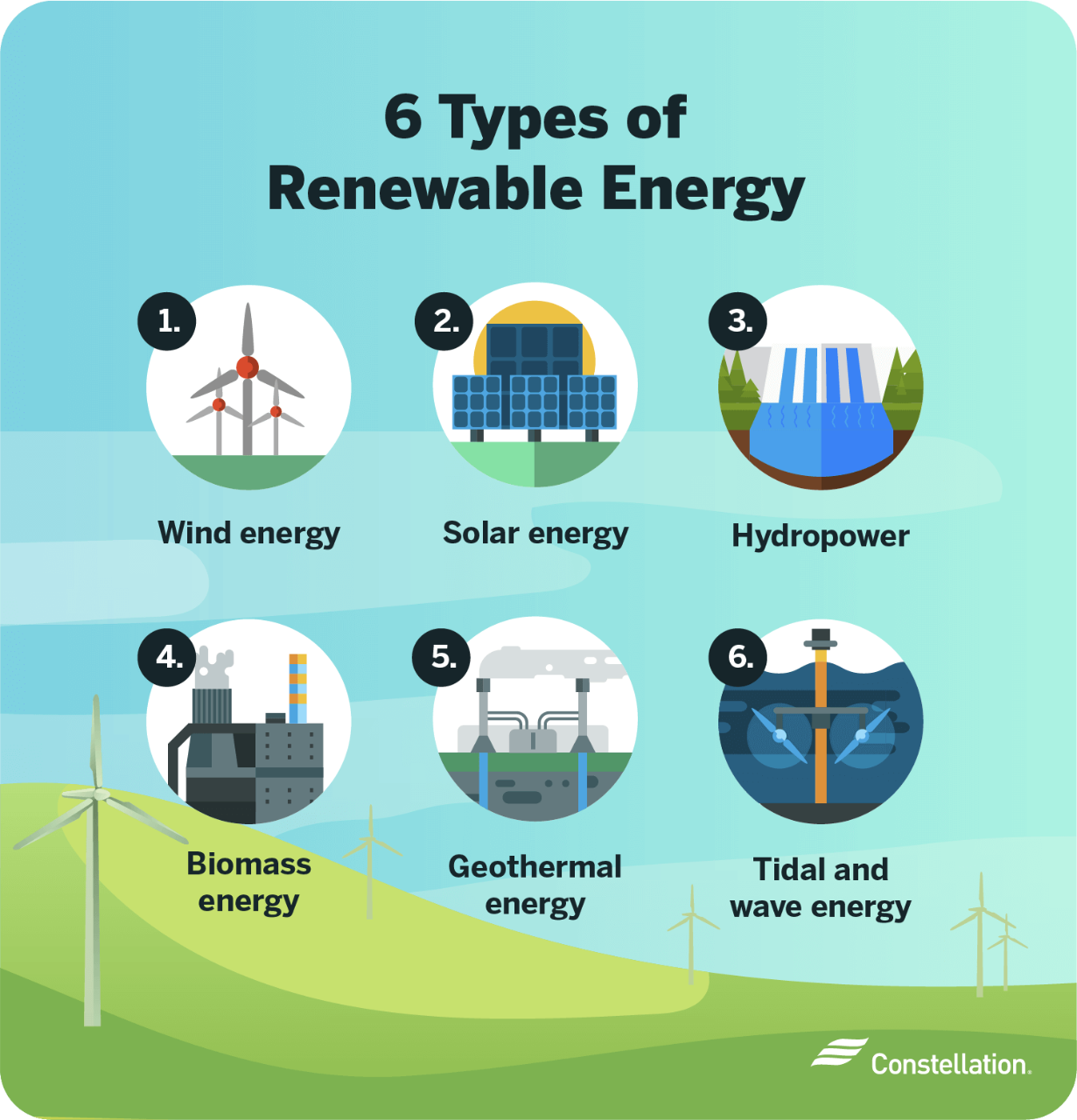
The Hydrological Cycle: Taming Water’s Power
Water has always been a force to reckon with—rivers carve canyons, tsunamis reshape coastlines, and tides dictate the rhythms of coastal life. Hydroelectric power is humanity’s attempt to harness this force, converting the energy of flowing water into electricity. From massive dams like the Three Gorges in China to small-scale run-of-river systems, hydropower is the most mature and widely deployed renewable energy source on the planet.
But hydroelectric systems are more than just concrete giants holding back rivers. They’re intricate networks of turbines, generators, and spillways, designed to balance energy production with environmental stewardship. Pumped-storage hydropower, for instance, acts like a giant battery, storing excess energy by pumping water uphill and releasing it when demand peaks. Meanwhile, tidal and wave energy systems are tapping into the rhythmic rise and fall of the ocean, a resource so predictable it borders on infallible.
The challenge, of course, lies in mitigating the ecological impact. Dams can disrupt fish migration patterns, alter sediment flows, and even trigger seismic activity. Yet, with careful planning and innovative designs—like fish-friendly turbines and modular dams—we’re learning to coexist with water’s power without compromising the health of our ecosystems.
The Grid of Tomorrow: Smart, Resilient, and Decentralized
Renewable energy systems don’t exist in a vacuum. They’re part of a vast, interconnected web known as the electrical grid—a system that’s undergoing a radical transformation. The grid of the future is smart, decentralized, and resilient, capable of integrating a patchwork of renewable sources while ensuring reliability and efficiency.
At the heart of this transformation is the concept of distributed energy resources (DERs). Rooftop solar panels, community wind turbines, and even electric vehicles can feed energy back into the grid, turning consumers into prosumers. Advanced metering infrastructure (AMI) and real-time data analytics allow grid operators to balance supply and demand with unprecedented precision. Meanwhile, microgrids—localized energy systems that can operate independently of the main grid—are providing resilience in the face of blackouts and natural disasters.
The shift toward a smart grid isn’t just about technology; it’s about reimagining our relationship with energy. It’s about communities taking control of their power supply, about reducing transmission losses, and about creating a system that’s as adaptable as the renewable sources it supports. The grid of tomorrow isn’t just a network of wires—it’s a living, breathing organism, evolving to meet the challenges of a changing world.
Beyond the Horizon: The Future of Green Tech
The story of renewable energy is far from over. As we stand on the precipice of a new era, the possibilities are as boundless as they are breathtaking. Floating solar farms that double as wildlife habitats. Wind turbines that mimic the flight of birds to minimize bird strikes. Geothermal systems that tap into the heat of magma. These aren’t just pipe dreams—they’re the next frontiers of green tech, waiting to be explored.
But the true power of renewable energy lies not in its technology, but in its potential to reshape society. It’s about energy democracy, where communities have a say in how their power is generated and distributed. It’s about economic justice, where the transition to clean energy creates jobs and opportunities for all. And it’s about environmental justice, where the burden of pollution is lifted from the shoulders of the most vulnerable.
As we look to the future, one thing is clear: the age of fossil fuels is drawing to a close. The age of renewable energy is just beginning. And with each solar panel installed, each wind turbine erected, and each geothermal well drilled, we’re not just powering our world—we’re redefining what it means to thrive on this planet.
So, the next time you see a solar panel glinting in the sun or a wind turbine spinning against the sky, remember: you’re not just looking at a machine. You’re looking at a symbol of hope, a testament to human ingenuity, and a glimpse into the future we’re building—one watt at a time.
Leave a comment