


In a world where first impressions are digital and attention spans are fleeting, your identity isn’t just what you say—it’s how you show up. A high-performance identity isn’t built overnight; it’s a deliberate fusion of strategy, consistency, and adaptability. Whether you’re an entrepreneur, a creative professional, or a growing brand, the way you present yourself shapes how others perceive your value. This guide breaks down the essential elements of crafting an identity that commands respect, fosters trust, and drives results.
Define Your Core Values: The Foundation of Authenticity
A high-performance identity begins with clarity. Before designing logos, writing copy, or curating visuals, ask yourself: What do I stand for? Your core values are the compass that guides every decision, from the content you share to the partnerships you pursue. These aren’t just buzzwords—they’re the principles that define your behavior and resonate with your audience.
For example, a design agency might prioritize innovation and collaboration, while a personal brand focused on wellness could emphasize authenticity and sustainability. These values should be specific enough to differentiate you but broad enough to remain flexible as your identity evolves. Document them. Revisit them. Let them be the litmus test for every piece of content you create.
Visual Identity: More Than Just a Logo
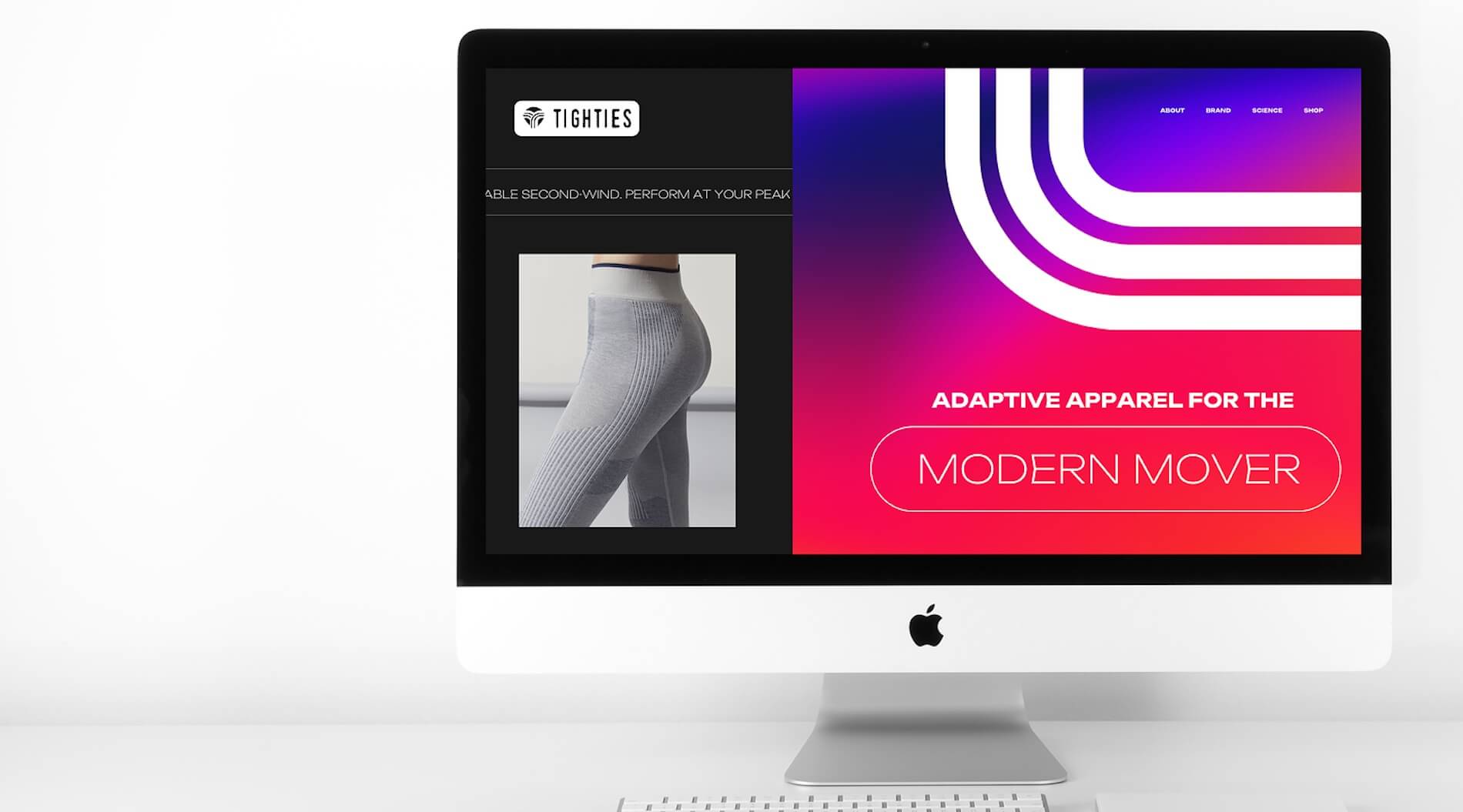
Your visual identity is the silent ambassador of your brand. It’s the first thing people notice, and it sets the tone for every interaction. A high-performance visual identity goes beyond a logo—it’s a cohesive system of colors, typography, imagery, and layout that communicates your personality at a glance.
Start with a color palette that evokes the right emotions. Blues convey trust, while reds ignite passion. Pair these with a typography system that balances readability and style—serif fonts for tradition, sans-serif for modernity. Your imagery should reflect your audience’s aspirations, whether that’s sleek product shots or candid behind-the-scenes moments.
Consistency is key. Use the same fonts, colors, and visual motifs across all platforms—your website, social media, business cards, and even email signatures. This repetition builds recognition and reinforces your professionalism. Tools like Adobe Color or Canva can help you create and maintain a cohesive palette.
Tone of Voice: Speak Like a Leader
How you communicate is just as important as what you communicate. Your tone of voice is the personality behind your words—it’s the difference between sounding like a corporate robot and a trusted advisor. A high-performance tone is clear, confident, and consistent, but it should also adapt to your audience and platform.
For instance, LinkedIn demands a professional yet approachable tone, while Instagram allows for a more casual and conversational style. Define your voice in three to five adjectives (e.g., inspiring, direct, witty, empathetic) and use them as a filter for every piece of content. Avoid jargon unless it’s industry-standard, and always prioritize clarity over cleverness.
Remember, your tone isn’t static. It should evolve as your audience grows and your goals shift. Regularly audit your past communications to ensure they align with your intended voice.
Content Strategy: Educate, Engage, and Inspire
A high-performance identity isn’t built on self-promotion alone—it’s built on value. Your content strategy should position you as a thought leader in your space, providing insights that educate, entertain, or inspire your audience. The types of content you create will depend on your goals and audience, but here are a few high-impact formats to consider:
- Long-form articles and guides: These establish your expertise and improve SEO. For example, a marketing consultant might write a “2024 Guide to LinkedIn Lead Generation” to attract potential clients.
- Case studies and testimonials: Social proof builds credibility. Share real-world results from clients or projects to showcase your impact.
- Video content: From tutorials to behind-the-scenes footage, video humanizes your brand and increases engagement.
- Interactive content: Polls, quizzes, and live Q&As foster two-way conversations and keep your audience invested.
- User-generated content: Encourage your audience to share their experiences with your brand, creating a community around your identity.
Consistency Across Platforms: The Rule of Omnipresence
Your identity isn’t confined to one platform—it’s a multi-dimensional presence. A high-performance identity ensures that your messaging, visuals, and tone are consistent whether someone encounters you on Instagram, your website, or in a podcast interview. This doesn’t mean you should post the same content everywhere; it means you should maintain a unified voice and aesthetic.
Start by creating a brand style guide that outlines your core values, visual identity, and tone of voice. Share this guide with anyone who represents your brand, from freelancers to employees. Use scheduling tools like Buffer or Later to plan your content in advance, ensuring a steady stream of high-quality posts.
Don’t underestimate the power of offline touchpoints either. Business cards, packaging, and even your email signature should reflect your identity. Every interaction is an opportunity to reinforce your professionalism.
Adaptability: The Secret to Longevity
While consistency is crucial, adaptability is what keeps your identity relevant. Trends change, audiences shift, and industries evolve—your identity should be agile enough to pivot without losing its essence. This means regularly reviewing your strategy, analyzing performance metrics, and being willing to experiment.
For example, a brand that once thrived on long-form blog posts might pivot to short-form video content as consumer preferences change. Or a personal brand might expand its services based on client feedback. The key is to stay true to your core values while remaining open to evolution.
Monitor your analytics to see what’s working and what’s not. Are your Instagram posts driving traffic to your website? Are your emails getting opened? Use this data to refine your approach, but always tie changes back to your brand’s foundational principles.
Building Trust Through Transparency
In an era of skepticism, transparency is a competitive advantage. A high-performance identity isn’t just about showcasing your strengths—it’s about owning your weaknesses too. Share your challenges, your lessons learned, and your growth journey. This builds authenticity and fosters deeper connections with your audience.
For instance, a startup might share a blog post about a product launch that didn’t go as planned, explaining what went wrong and how they’re improving. A freelancer might post about a client project that required extra revisions, highlighting their commitment to quality. These stories humanize your brand and make you more relatable.
Transparency also extends to your processes. If you use AI tools, disclose it. If you outsource certain tasks, mention it. Audiences appreciate honesty, and it sets you apart from competitors who prioritize image over substance.
Measuring Success: Beyond Vanity Metrics
How do you know if your identity is performing? Metrics like follower count and website traffic are easy to track, but they don’t tell the full story. A high-performance identity is measured by engagement, loyalty, and conversions—not just reach.
Look at qualitative metrics like comments, shares, and direct messages to gauge how your audience is responding. Are they asking questions? Tagging friends? These interactions signal that your content is resonating. On the quantitative side, track metrics like click-through rates, conversion rates, and customer retention to see if your identity is driving tangible results.
Set clear KPIs based on your goals. If you’re aiming to grow your email list, focus on lead magnet performance. If you’re building a personal brand, track speaking invitations or media mentions. Regularly review these metrics and adjust your strategy accordingly.
Conclusion: Your Identity as a Living Asset
A high-performance identity isn’t a one-time project—it’s an ongoing commitment. It’s the culmination of your values, your voice, your visuals, and your actions. When executed with intention, it becomes a powerful tool that attracts opportunities, builds trust, and drives success.
Start with clarity. Stay consistent. Adapt with purpose. And always prioritize authenticity. Your identity is more than a logo or a tagline—it’s the story you tell the world, and the story they tell about you.
Leave a comment