


In the grand theater of life, decision-making is the script we all must perform. Yet, unlike a playwright who crafts dialogue with precision, we often find ourselves improvising under the weight of emotions, biases, and external pressures. The challenge isn’t just making choices—it’s making the right ones. And the key to unlocking that clarity lies in objectivity: the ability to strip away the noise and see the situation for what it truly is. But how do we cultivate this rare and powerful skill? Let’s embark on a journey to understand the art of staying objective, where every decision becomes a step toward wisdom rather than a stumble into regret.
Ajarn Forum Latest Articles
The Sleep‑Productivity Connection You’re Ignoring


The Myth of the Burnout-Driven Brain
We have been sold a lie, elegantly packaged in hustle culture jargon. The lie insists that productivity is a function of hours bled onto a keyboard, that the most successful people are those who “grind while others sleep.” This narrative positions sleep as a necessary evil—a biological tax levied against our ambition. But what if this entire framework is inverted? What if sleep is not the enemy of achievement, but the very crucible in which high performance is forged? The real burden of inefficiency is not a lack of time, but a lack of restoration. You aren’t losing hours by sleeping; you are losing productivity by not sleeping well.
How to Build a Smarter Brain for Work

We’ve all been there: staring at a mountain of tasks, feeling like our brain is running on fumes, and wondering why some people seem to effortlessly outperform others. The truth is, intelligence isn’t just about raw IQ—it’s about how efficiently your brain processes information, adapts to challenges, and sustains focus under pressure. The good news? A smarter brain isn’t an accident of genetics; it’s a skill you can cultivate. Here’s how to sharpen your cognitive edge and work smarter, not harder.
The Productivity Hacks for Chaotic Weeks

The Productivity Hacks for Chaotic Weeks
What if Your Calendar is Less a Plan and More a Rollercoaster?
Ever looked at your schedule and felt less like a captain and more like a passenger strapped into a runaway theme park ride? You start the week with noble intentions, bullet journals, and color-coded tasks. Then Monday happens. An urgent client revision collides with a server outage, your child’s school calls about a forgotten permission slip, and your inbox has somehow grown sentient and angry. This is the chaotic week—a special breed of professional purgatory where the only constant is entropy. The question isn’t *if* chaos will strike, but *how* you will steer through it without losing your composure, your deadlines, or your sanity. The good news? You can hack chaos itself.
The Professional Habits That Lead to Mastery

Can You Really Train Yourself to Be Lucky?
Think about the most effective professional you know. The one who seems to navigate chaos with a quiet smile, who lands the clients others only dream of, and who finishes the day with energy to spare. Is it luck? A mysterious gift of the gods? Or is there a hidden architecture to their success—a set of invisible habits you can actually learn? The uncomfortable truth is that “luck” is often just a byproduct of disciplined, almost invisible routines. The real challenge isn’t finding more hours in the day; it’s deciding which professional habits you will ruthlessly adopt, and which comfortable ones you will burn to the ground. Mastery isn’t a destination. It is a relentless process of choosing the harder right over the easier wrong, every single morning.
How to Use AI to Improve Decision‑Making
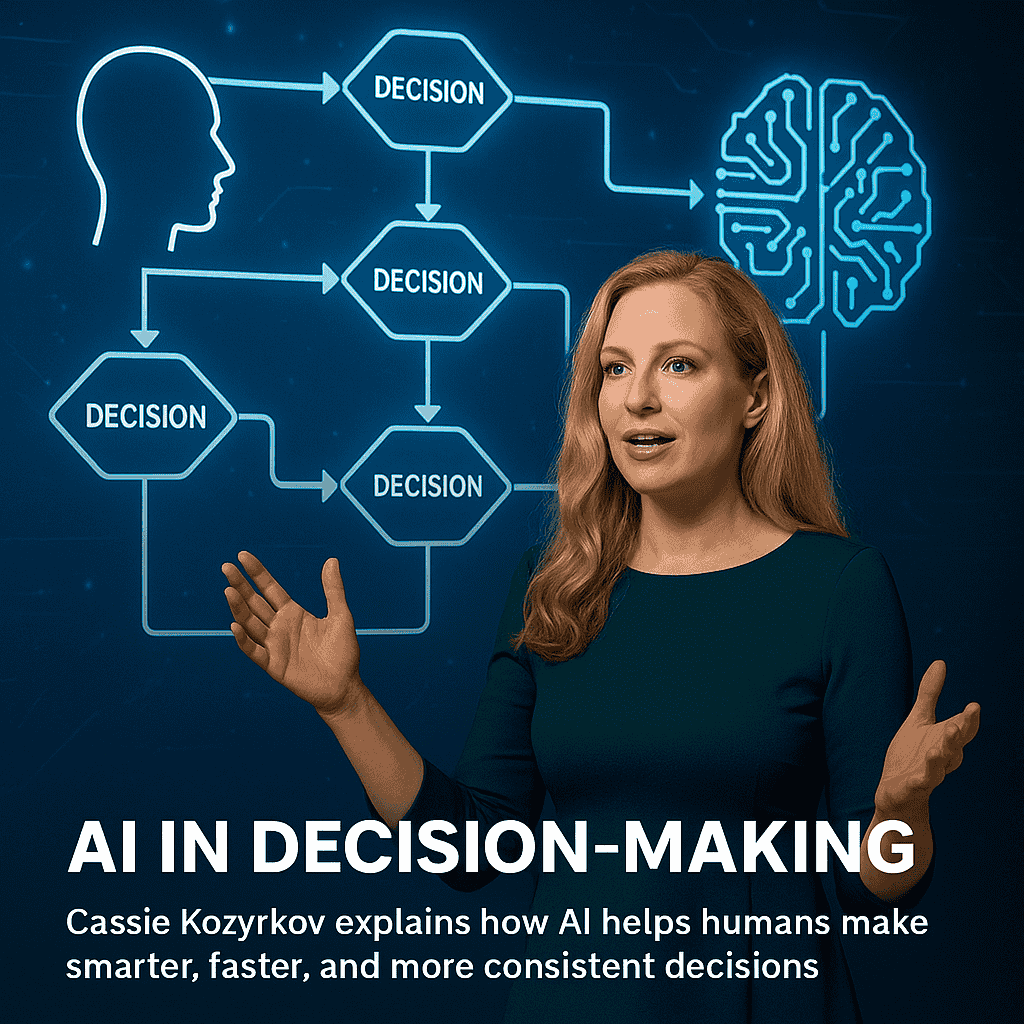
Imagine standing at the edge of a decision so complex it feels like staring into a fog of uncertainty. Every path forward is shrouded in ambiguity—until now. Artificial Intelligence isn’t just another tool in the decision-maker’s toolkit; it’s a transformative force that can illuminate pathways previously hidden in the shadows of data, bias, and cognitive overload. Whether you’re a business leader charting the future of your company, a healthcare professional diagnosing a patient, or an individual navigating life’s pivotal choices, AI offers a new lens through which to see, analyze, and decide. This isn’t about replacing human judgment—it’s about enhancing it. Let’s explore how AI can become your most trusted advisor in the art of decision-making.
How to Declutter Your Mind for Better Focus

In a world overflowing with information, distractions, and endless to-do lists, our minds often resemble cluttered desks—overwhelmed, chaotic, and struggling to function at their best. The irony is that while we obsess over organizing our physical spaces, we rarely extend the same care to our mental landscapes. Yet, the state of our minds dictates the quality of our decisions, creativity, and overall well-being. So, why do we tolerate mental clutter? And more importantly, how can we clear it to reclaim our focus?
The Organization Habits of High Performers

The Architecture of Intentionality: Why High Performers Don’t Just “Get Organized”
When we watch a high performer in their element—the athlete who never fumbles a play, the CEO who delivers quarterly miracles, the artist who produces relentlessly—we tend to attribute their success to grit, talent, or a mysterious internal fire. We assume that their organization flows naturally from their discipline. But the truth is far more unsettling: these individuals have not mastered organization; they have weaponized it as a form of perception. Their spaces, schedules, and systems are not merely tidy. They are mirrors of a deeper cognitive architecture that most of us never see. This is not about color-coded binders or a clean desk. It is about the quiet, radical belief that the world is, in fact, classifiable—and that the act of classifying it changes what is possible.
How to Avoid Study Burnout

Study burnout isn’t just exhaustion—it’s a silent thief of potential, creeping in when the weight of expectations collides with the relentless grind of learning. It doesn’t announce itself with fanfare; instead, it arrives in the form of procrastination that feels like laziness, motivation that flickers like a dying bulb, and a growing resentment toward the very subjects that once fascinated you. The irony? The harder you push, the faster it drains you. But what if the solution isn’t more discipline, but a reimagining of the game itself? What if avoiding burnout isn’t about working less, but about working smarter—by redesigning your approach to learning entirely?
The Peak Output Habits of Top Performers

The Architecture of Flow: Redefining Performance We have long been sold a myth of the high performer—a relentless machine, grinding through sleepless nights fueled by caffeine and sheer will. This narrative is false. The true architecture of peak output is ...