The Architecture of Attention: Why Your Mind Needs a Blueprint
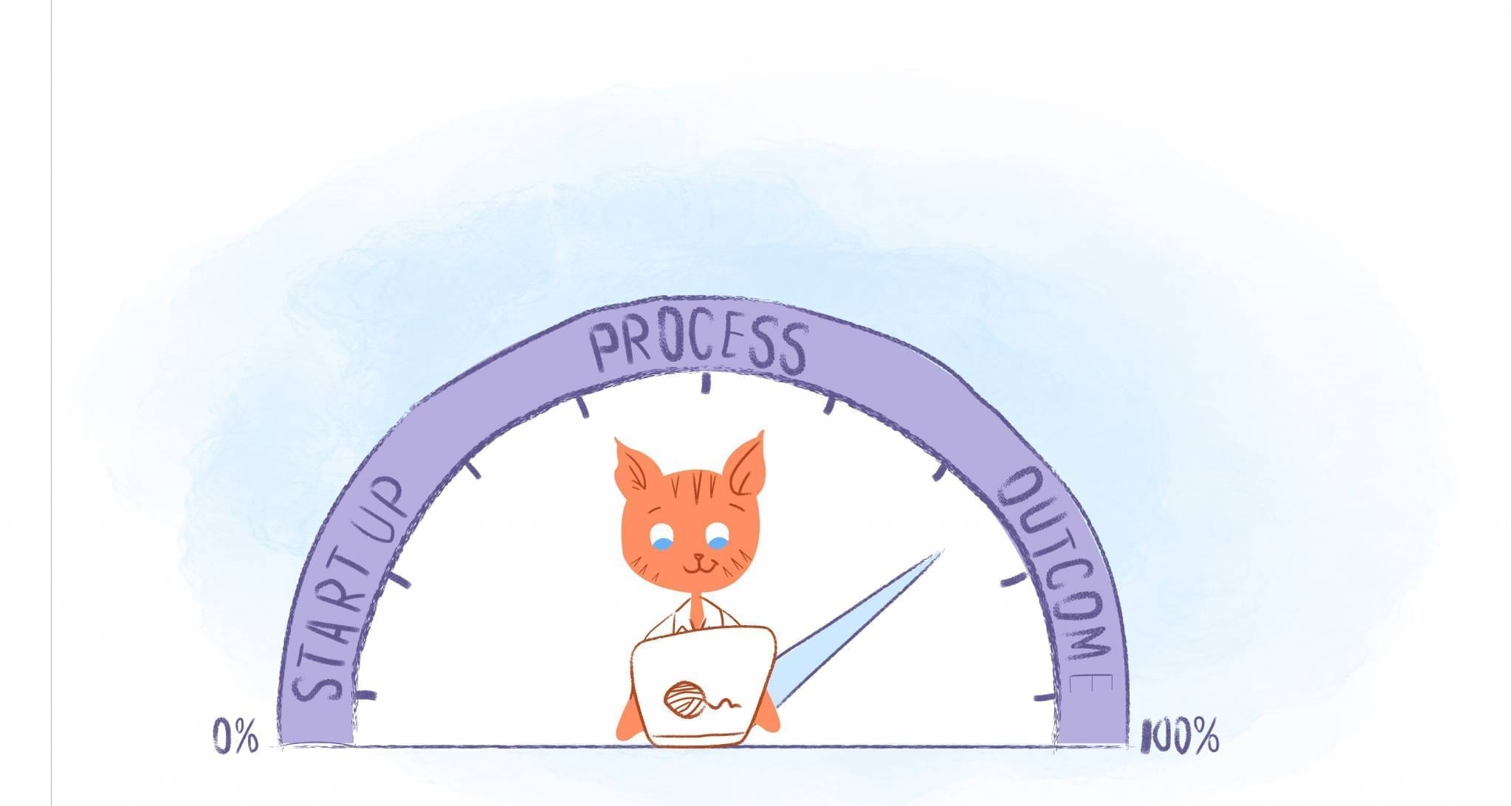
The modern knowledge worker is not battling a lack of willpower; they are battling a polluted environment. Every notification, every open tab, every background conversation is a tax on your cognitive bandwidth. The first habit of human optimization is not a technique but a decluttering of space. You cannot boost productivity by merely trying harder; you must design an ecosystem that makes focus the path of least resistance. This begins with the physical workspace. A desk cluttered with yesterday’s coffee cups and tomorrow’s memos signals to your brain that chaos is acceptable. The optimized habit here is the nightly reset. Spend exactly five minutes at the end of your day clearing your desk, writing a single Most Important Task (MIT) for tomorrow, and closing all browser windows. This ritual is not about cleanliness; it is about setting a psychological boundary. When you walk into that space in the morning, your brain sees a blank canvas, not a messy battlefield. The result is a reduction in the “start-up cost” of deep work, allowing you to dive into complex problems with a clarity that feels almost like a superpower.