


Ever stared at a looming deadline, wondering how you’ll ever turn your brilliant ideas into something tangible—let alone something great—before the clock runs out? You’re not alone. The modern world demands speed, precision, and excellence, yet most of us are stuck in a cycle of procrastination, distractions, and last-minute panic. What if I told you that delivering high-quality work faster isn’t just a pipe dream—it’s a skill you can master?
Ajarn Forum Latest Articles
How to Build a Business Workflow That Runs Smoothly
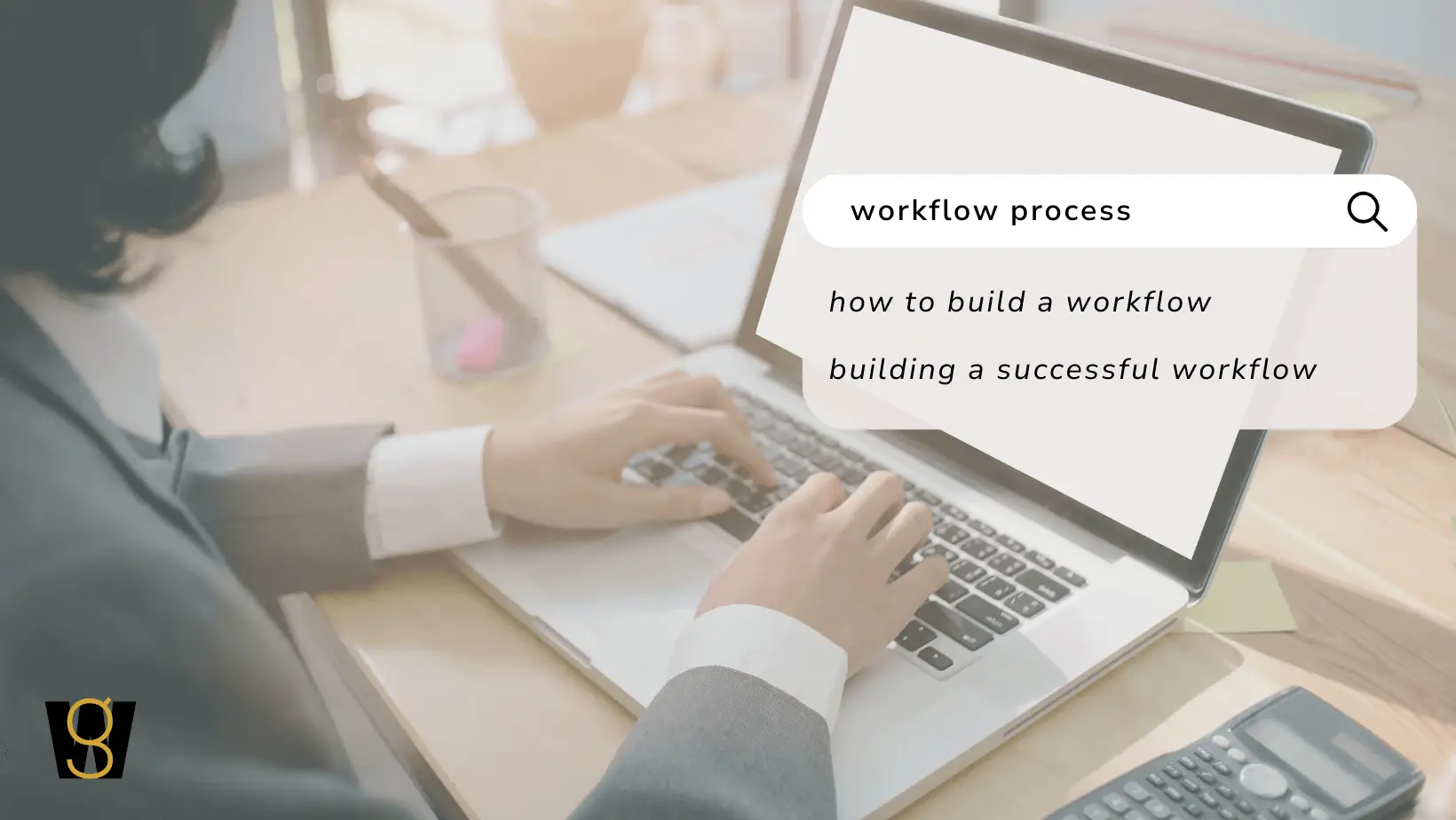
Every thriving business operates on a foundation of well-structured workflows. A smooth workflow eliminates bottlenecks, reduces errors, and ensures that every team member knows their role in the bigger picture. But building an effective workflow isn’t just about following a checklist—it’s about designing a system that adapts to your business’s unique needs while fostering efficiency and clarity. Whether you’re streamlining daily operations or scaling for growth, the right workflow can be the difference between chaos and seamless execution.
How to Create More in Less Time

Time is the one resource none of us can buy more of. Yet, we treat it as if it’s infinite—until we hit a wall. Burnout isn’t just a buzzword; it’s the silent killer of creativity, productivity, and progress. What if the solution isn’t about working harder, but about working *smarter*—by redefining the very way you approach creation?
The Automation Framework Every Professional Should Know

In an era where efficiency is not just valued but demanded, professionals across industries are turning to automation frameworks as the backbone of their operations. Yet, despite their widespread adoption, many still grapple with the fundamental question: What makes a framework truly effective? The answer lies not in the tools themselves, but in how they are structured to align with human workflows, business goals, and the relentless pace of technological change.
The Daily Execution Framework You Need


What If Your To-Do List is Actually a Trap?
Picture this: you wake up, coffee in hand, and pull up a list of twenty-seven items. Ambitious. Noble. You chip away at three things that feel urgent, get distracted by an email that looks important, and by 3:00 PM, you’re staring at a half-finished report while simultaneously answering a Slack message about a meeting you forgot. Dinnertime arrives, and the list hasn’t shrunk so much as it has rearranged itself into a monument to your own inefficiency. This is not a productivity problem. This is a framework problem. The question isn’t whether you are working hard enough—it’s whether you’re executing in the right rhythm. And the answer, more often than not, is a resounding no.
How to Build a Future‑Ready Leadership Identity

In an era defined by rapid technological disruption, shifting workforce dynamics, and evolving societal expectations, leadership is no longer just about authority or charisma. It’s about cultivating a future-ready leadership identity—a dynamic, authentic, and adaptable self-concept that empowers leaders to navigate uncertainty, inspire teams, and drive sustainable impact. This identity is not inherited; it’s intentionally crafted through self-awareness, continuous learning, and purposeful action. Whether you’re an emerging leader or a seasoned executive, building a leadership identity that resonates with the future requires more than just skills—it demands a deep understanding of who you are, what you stand for, and how you show up in the world.
The Thinking Frameworks Used by Top Performers

The Unseen Scaffolding: Beyond Raw Intellect
We tend to fetishize intelligence. We look at a decision by Elon Musk, a strategic pivot by Satya Nadella, or a creative leap by a Nobel laureate, and we assume a herculean feat of raw brainpower. This is a comforting fiction. The real differentiator is not the raw horsepower of the mind, but the quality of the mental operating system it runs. Top performers do not think harder; they think differently. They wield a personal arsenal of cognitive shortcuts—not the lazy kind that lead to bias, but the refined kind that carve pathways out of confusion. These are thinking frameworks. They are not academic exercises. They are the invisible scaffolding that allows a mind to hold more complexity, see more variables, and project consequences further into the future, all without feeling the weight.
The Productivity Playbook for Side Hustlers

The Architecture of Ambition: Defining the Productivity Playbook
The modern side hustler operates at the intersection of passion and practicality, a tightrope walk between a day job’s obligations and a dream’s demands. It is a life governed not by clocking in, but by the deliberate rationing of attention. The concept of a “productivity playbook” is not merely a list of time-management hacks; it is a personalized architecture for converting fragmented hours into meaningful output. Within this playbook, one finds a curated ecosystem of content—strategies, templates, and philosophies—designed to transform chaos into a repeatable system. For the side hustler, this is not a luxury; it is the scaffold upon which a second career is built.
The Identity Shift That Boosts Productivity

The Quiet Notion of Elsewhere
It begins as a faint dissonance. You are efficient, perhaps even successful, yet the mechanic of your daily motions feels increasingly borrowed. The alarm, the commute, the calibrated small talk, the checklists—they produce results, but they lack resonance. This observation is nearly universal among high performers: a threshold moment where productivity no longer feels like a virtue but a transaction with a self you no longer fully inhabit. The deeper fascination here lies not with *working better*, but with *being different*. The shift in identity is not a strategy; it is a psychological necessity. When who you believe you are changes, what you are capable of achieving follows—not as a forced march, but as a natural consequence.
The Minimalist Productivity System

What If the Secret to Doing More Was Actually Doing Less?
Let’s pose a question that might feel a bit like heresy in our hustle-obsessed culture: What if the most productive person you know isn’t the one with the color-coded calendar, the twenty-step morning routine, and the inbox zero obsession? What if, instead, the true master of output is the person who does almost nothing that doesn’t absolutely matter? This is the unsettling, almost playful, challenge at the heart of the Minimalist Productivity System. It asks you to stop adding more tools, more apps, and more hacks to your already overflowing plate, and to instead start ruthlessly subtracting. The challenge isn’t finding the next big thing; it’s having the courage to let go of everything that isn’t the essential thing.