


In a world where the hum of industrial progress often drowns out the whispers of nature, sustainability emerges not as a distant ideal, but as a quiet rebellion—a way to reclaim balance without sacrificing modern comforts. It’s fascinating to observe how many people, upon first hearing the term, picture a life of deprivation: cold showers, empty pantries, and endless manual labor. Yet, the reality couldn’t be further from the myth. Sustainability for beginners isn’t about deprivation; it’s about reimagining abundance through mindful choices. It’s the art of turning small, intentional steps into a ripple that reshapes not just personal habits, but the very systems we rely on. Whether you live in a bustling city or a quiet countryside, the journey begins with a single, deliberate action—and the realization that sustainability is less about sacrifice and more about awakening to the hidden potential in everyday life.
Ajarn Forum Latest Articles
DIY Sentiment Analysis Using Python for Ed Researchers
In the vast digital savannah where opinions bloom like wildflowers after a spring rain, researchers armed with nothing but curiosity and a laptop can now harvest insights that once required entire teams of linguists and statisticians. Sentiment analysis, the alchemy of turning words into measurable emotions, has become the compass guiding educators through the cacophony of student feedback, parent surveys, and online discourse. For the intrepid educational researcher, Python offers not just a toolkit but a treasure map—one that leads to understanding the unspoken sentiments lurking beneath the surface of every comment, review, and forum post. Imagine wielding a scalpel of code to dissect the emotional DNA of a thousand voices, all while sipping coffee in your pajamas. This is the promise of DIY sentiment analysis, and it’s as exhilarating as it is transformative.
How to Spot Greenwashing in 5 Questions
Have you ever fallen for a product’s eco-friendly siren song, only to realize later that its green credentials were as flimsy as a paper-thin promise? Welcome to the world of greenwashing—a deceptive art where brands drape themselves in the cloak of sustainability while their actions whisper otherwise. But fear not, intrepid truth-seeker! By arming yourself with five incisive questions, you can pierce through the verdant veil and expose the real story. Let’s embark on this detective mission together, where curiosity meets skepticism, and clarity becomes your compass.
How Micro-Credentials Reduce Student Debt While Boosting Job Readiness

Imagine stepping into the future of education—where every skill you acquire is a stepping stone, not a financial anchor. Where the diploma you hold isn’t just a piece of paper but a dynamic portfolio of competencies that employers crave. This isn’t a distant utopia; it’s the reality reshaping higher education today through the power of micro-credentials. These bite-sized, stackable certifications are rewriting the rules of academic and professional advancement, offering a lifeline to students drowning in debt while arming them with the exact skills the job market demands. The promise is clear: less debt, more opportunity, and a workforce that’s not just educated, but exquisitely prepared.
The Neuro-Inclusion Micro-Credential (Power Skills)

The modern workplace is a kaleidoscope of minds—each one a universe of experiences, perspectives, and cognitive rhythms. Yet, for all its diversity, it often stumbles over a silent barrier: the assumption that everyone processes information, communicates, and solves problems in the same way. This oversight isn’t just a minor inconvenience; it’s a systemic blind spot that stifles innovation, erodes psychological safety, and leaves untapped potential scattered across teams like unmined gems. Enter the Neuro-Inclusion Micro-Credential, a transformative leap beyond traditional diversity training. It doesn’t just acknowledge cognitive differences—it equips professionals with the power skills to harness them, turning what was once a friction point into a competitive advantage.
7 Blockchain Platforms for Educational Badges (Free & Paid)

Ever wondered how your digital backpack could one day hold verifiable proof of every skill you’ve ever mastered—without a single certificate gathering dust in a drawer? Imagine a world where your achievements aren’t just scribbled on paper but are immutable, shareable, and instantly verifiable across continents. Welcome to the realm of blockchain-powered educational badges, where learning meets ledger technology in a seamless dance of innovation. But here’s the twist: not all platforms are created equal, and choosing the wrong one could leave your hard-earned credentials stranded in a digital limbo. So, buckle up as we explore seven blockchain platforms—both free and paid—that are revolutionizing how we earn, display, and validate our educational triumphs.
Ethics of Fundraising with AI
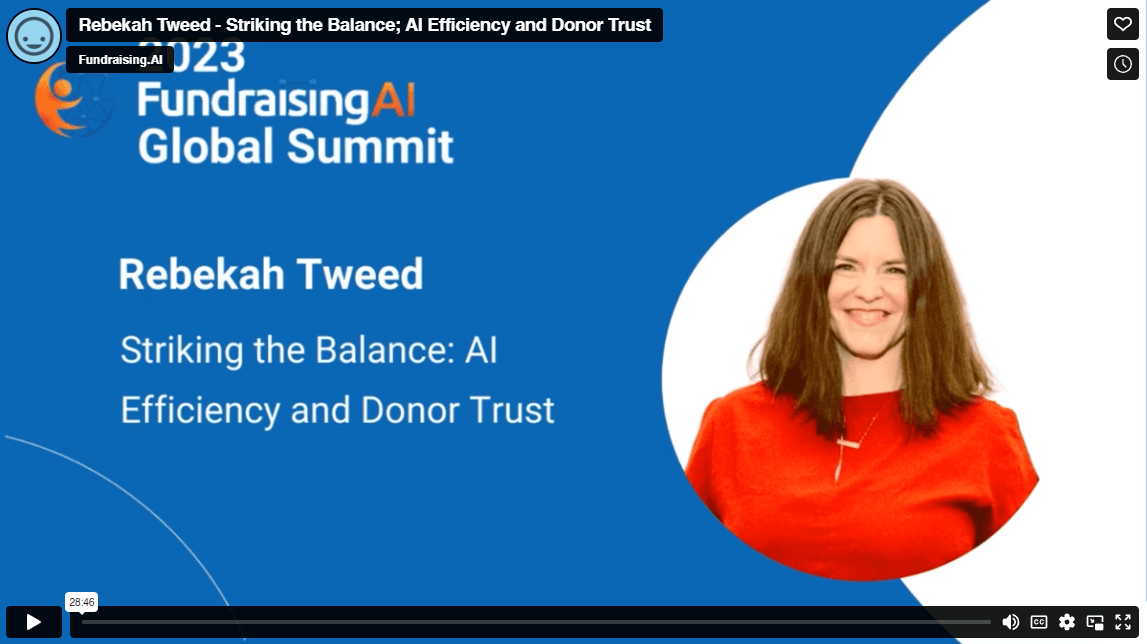
What if your fundraising campaigns could predict donor behavior with eerie accuracy—before the donor even knew they were going to give? What if artificial intelligence could craft personalized appeals so compelling that response rates soared beyond anything seen before? The allure of AI in fundraising is undeniable: efficiency, precision, scalability. Yet, beneath the surface of this technological marvel lies a labyrinth of ethical dilemmas waiting to ensnare the unwary. Welcome to the paradox of AI-driven fundraising: the more powerful the tool, the greater the responsibility to wield it wisely.
Power Skills for IT Managers (Translating Tech to Biz)

In the ever-evolving landscape of technology, IT managers stand at a pivotal crossroads where raw code meets real-world business impact. The modern IT leader is no longer just a gatekeeper of systems or a troubleshooter of glitches—they are the architects of transformation, the translators of technical jargon into strategic value, and the bridge between innovation and execution. Yet, amidst the relentless march of AI, cloud migrations, and cybersecurity threats, a subtle yet profound shift is underway. The most effective IT managers are not those who master the latest programming languages or deploy the shiniest new tools, but those who wield a different kind of power: the power of power skills. These are the intangible, human-centric competencies that elevate technical expertise from a behind-the-scenes function to a front-and-center driver of business growth.
ESG for Agricultural Cooperatives

In the verdant heartlands where soil whispers secrets to the wind and seasons choreograph the rhythm of life, a quiet revolution is stirring. Agricultural cooperatives—those humble bastions of collective effort—are awakening to a new mandate: the integration of Environmental, Social, and Governance (ESG) principles. This isn’t merely a trend; it’s a paradigm shift, a fusion of ancient wisdom and modern accountability that promises to redefine the very essence of farming communities. As cooperatives navigate the labyrinth of climate volatility, social equity, and ethical governance, they stand at the precipice of transformation, where sustainability isn’t just a buzzword but a lifeline.
Industry-Specific Micro-Credentials (Healthcare and IT and Trades) for Immediate Hire

In an era where the pace of technological advancement and industry evolution outstrips traditional education timelines, professionals across healthcare, IT, and trades are turning to industry-specific micro-credentials as a lifeline for immediate hire. These compact, targeted qualifications are not just badges of competence—they are the modern currency of employability, offering a direct bridge between skill gaps and job market demands. Yet, beneath their surface appeal lies a deeper narrative: a quiet revolution in how industries value expertise, and how individuals can reclaim agency over their career trajectories in an increasingly fragmented job landscape.