


In an era where the pace of technological advancement and industry evolution outstrips traditional education timelines, professionals across healthcare, IT, and trades are turning to industry-specific micro-credentials as a lifeline for immediate hire. These compact, targeted qualifications are not just badges of competence—they are the modern currency of employability, offering a direct bridge between skill gaps and job market demands. Yet, beneath their surface appeal lies a deeper narrative: a quiet revolution in how industries value expertise, and how individuals can reclaim agency over their career trajectories in an increasingly fragmented job landscape.
Ajarn Forum Latest Articles
How to Conduct an ESG Materiality Assessment (Template)

In the labyrinth of modern business, where every decision casts ripples across the ecosystem of stakeholders, the ESG materiality assessment emerges as a compass—not just for compliance, but for crafting a legacy. Imagine standing at the crossroads of corporate responsibility and strategic foresight, where the weight of your choices isn’t measured in mere dollars, but in the breath of future generations. This isn’t just another corporate ritual; it’s a symphony of priorities, where the notes you strike today will harmonize with the sustainability of your enterprise tomorrow. Let’s embark on a journey to demystify this process, transforming it from a daunting task into a revelatory experience that could redefine your organization’s purpose.
How to Integrate Blockchain Badges into Moodle
Imagine your Moodle course isn’t just a digital classroom—it’s a bustling bazaar of knowledge, where every learner’s achievement is a shimmering coin, minted not by a central authority but by the very fabric of trust woven into the blockchain. These aren’t ordinary badges; they are immutable ledgers of accomplishment, verifiable across continents, resistant to forgery, and as unique as a fingerprint. Integrating blockchain badges into Moodle isn’t merely an upgrade—it’s a metamorphosis, turning your learning ecosystem into a decentralized academy where credentials breathe beyond the confines of institutional walls.
Designing a Trauma-Informed Classroom (Certificate)
In the bustling corridors of modern education, where the hum of young minds converges with the clatter of chalk against blackboards, a silent revolution is unfolding. Teachers, once mere dispensers of knowledge, now don the mantle of architects of emotional resilience. The classroom, that sacred crucible of learning, is being reimagined—not just as a space for academic rigor, but as a sanctuary for young souls navigating the turbulent waters of trauma. This transformation is not merely pedagogical; it is a profound redefinition of what it means to educate.
Ethical Guidelines for Using GenAI in High-Stakes Testing
The integration of Generative AI (GenAI) into high-stakes testing has ignited a fervent debate among educators, policymakers, and technologists alike. At first glance, the allure of efficiency and scalability seems irresistible—imagine an exam system that adapts in real-time, personalizes questions, and reduces human bias. Yet, beneath this veneer of innovation lurks a labyrinth of ethical quandaries that demand rigorous scrutiny. How do we balance the promise of AI-driven assessment with the imperative to preserve integrity, equity, and human judgment? The answer lies not in rejecting GenAI outright but in crafting a robust ethical framework that guides its deployment with foresight and responsibility.
Sentiment AI for Constituent Services (311 Data)
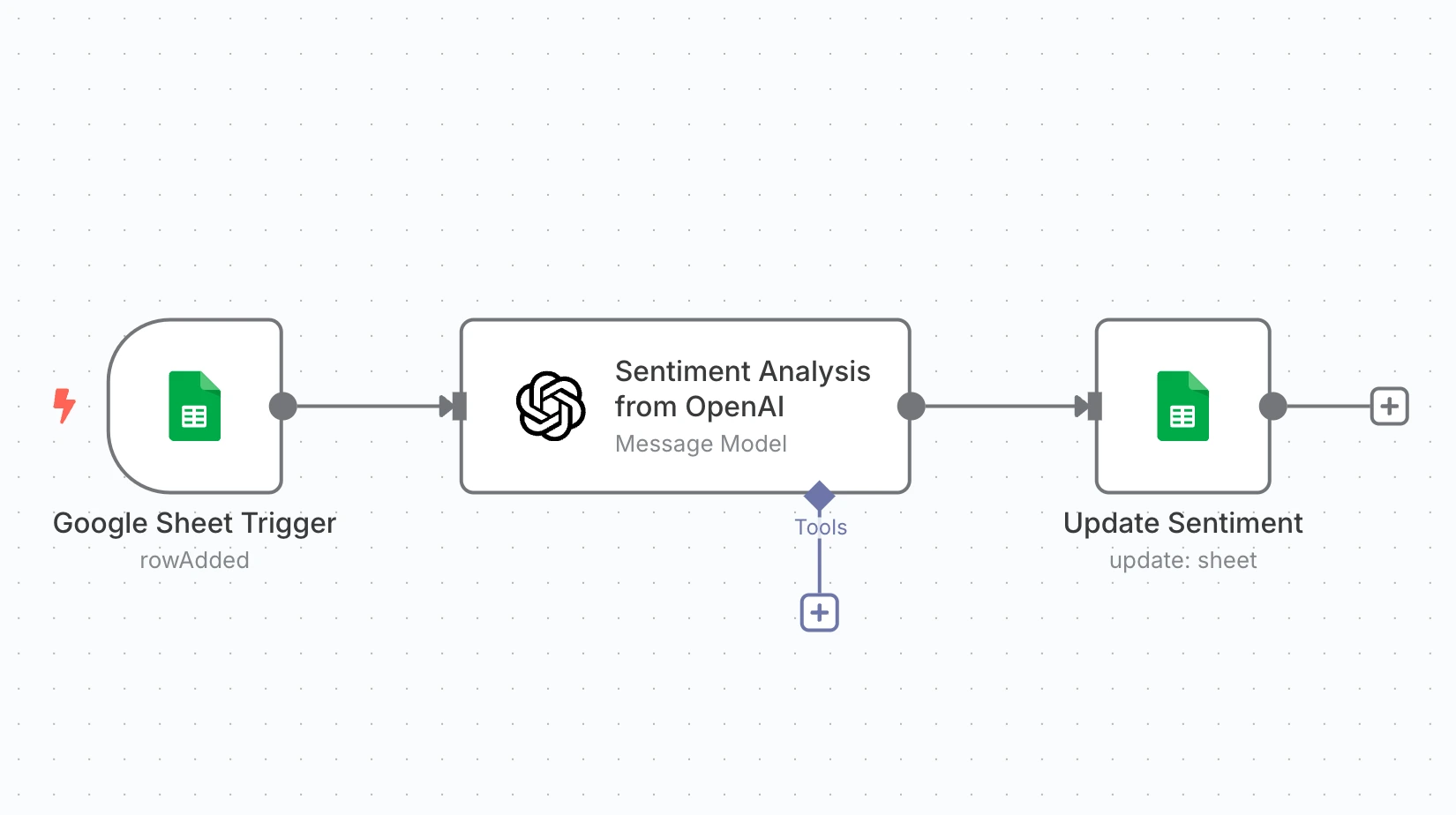
In an era where civic engagement is no longer confined to town hall meetings or paper surveys, the fusion of artificial intelligence with municipal services has unlocked a new frontier in governance. Sentiment AI, when applied to 311 data—the lifeblood of constituent services—transforms raw citizen complaints, requests, and feedback into actionable insights. This technology doesn’t just listen; it interprets the emotional pulse of a community, revealing patterns that were once invisible. Whether it’s a resident’s frustration over a delayed pothole repair or a glowing endorsement of a new park initiative, sentiment AI decodes the nuance behind every word, enabling city officials to respond not just efficiently, but empathetically. For civic leaders, data analysts, and engaged citizens alike, understanding how sentiment AI reshapes 311 data is not just informative—it’s transformative.
Legal Risks of GenAI Outputs (Copyright and Hallucinations)

In the labyrinthine corridors of modern jurisprudence, where the ink of precedent bleeds into the parchment of innovation, a new specter looms—one that whispers of both promise and peril. Generative artificial intelligence, with its alchemical ability to conjure text, imagery, and even legal arguments from the ether of data, has become the double-edged sword of the digital age. While its potential to democratize knowledge and accelerate creativity is undeniable, the legal risks it poses are as multifaceted as they are menacing. Two shadows cast by this technological titan—copyright infringement and hallucinatory fabrications—threaten to unravel the very fabric of intellectual property and legal accountability. For the uninitiated, these risks may seem like abstract nightmares, but for those who navigate the treacherous waters of content creation, legal practice, and corporate governance, they are stark realities demanding vigilance.
Micro-Credential in Circular Economy Principles
In an era where sustainability is no longer a choice but a necessity, micro-credentials in circular economy principles are emerging as a beacon of innovation and practicality. These compact, targeted learning experiences are designed to equip professionals, students, and enthusiasts with the skills needed to transition from linear “take-make-waste” models to regenerative systems that prioritize resource efficiency and waste minimization. Whether you’re a corporate leader aiming to future-proof your organization, an educator seeking to embed sustainability into curricula, or a curious individual eager to contribute to a greener planet, micro-credentials offer a flexible and impactful pathway. Let’s explore the diverse types of content you can expect in this transformative field.
Academic Advising as a Retention Power Skill

Ever wondered why some students glide effortlessly through their academic journey while others seem to stumble at every hurdle? What if the secret ingredient isn’t just intelligence or hard work—but something far more subtle, yet profoundly transformative? Enter academic advising, the unsung hero of student retention, a power skill that turns potential pitfalls into stepping stones. Imagine a world where every student has a compass, a guide, a mentor whispering, “Here’s the path—now go conquer it.” That world isn’t a fantasy. It’s the reality when academic advising is wielded with intention and finesse.
Power Skills vs. Technical Skills: What Hiring Managers Prioritize
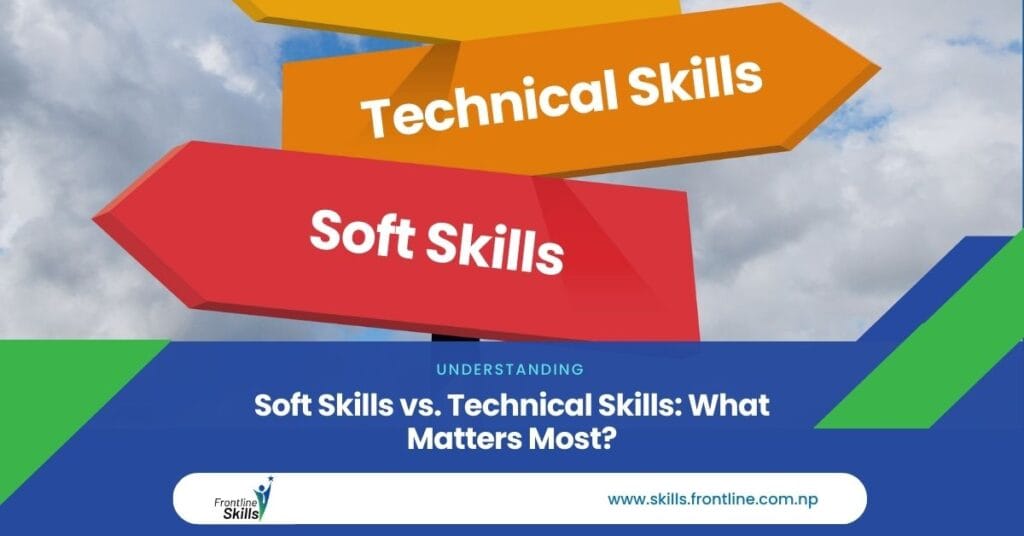
In a world where algorithms crunch data and machines execute tasks with eerie precision, one question lingers like a stubborn coffee stain on a white shirt: What if the secret to career success isn’t just about what you know, but how you wield what you know? The modern workplace is a high-stakes arena where resumes bristle with technical jargon, certifications hang like glittering trophies, and LinkedIn profiles glow with the sheen of hard-earned expertise. Yet, beneath the glossy veneer of hard skills, a quieter revolution is brewing—one where the ability to connect, adapt, and inspire might just outshine the most dazzling technical prowess. Welcome to the showdown: Power Skills vs. Technical Skills. Which side will hiring managers bet their budgets on?