
The Personal Growth Blueprint for Busy People
What if the very thing you’re avoiding—slowing down—is the one thing that will actually speed you up?


Sign up to join our community!
Please sign in to your account!
Lost your password? Please enter your email address. You will receive a link and will create a new password via email.
Please briefly explain why you feel this question should be reported.
Please briefly explain why you feel this answer should be reported.
Please briefly explain why you feel this user should be reported.
What if the very thing you’re avoiding—slowing down—is the one thing that will actually speed you up?

Flow state—a mental state of deep immersion and heightened productivity—is the holy grail for creatives, professionals, and anyone striving for peak performance. But here’s the catch: staying in flow for extended periods without crashing into burnout is a delicate balance. The key isn’t just about entering flow; it’s about sustaining it while preserving your energy, creativity, and well-being. Below, we explore practical strategies to help you extend your flow sessions without sacrificing your long-term health.
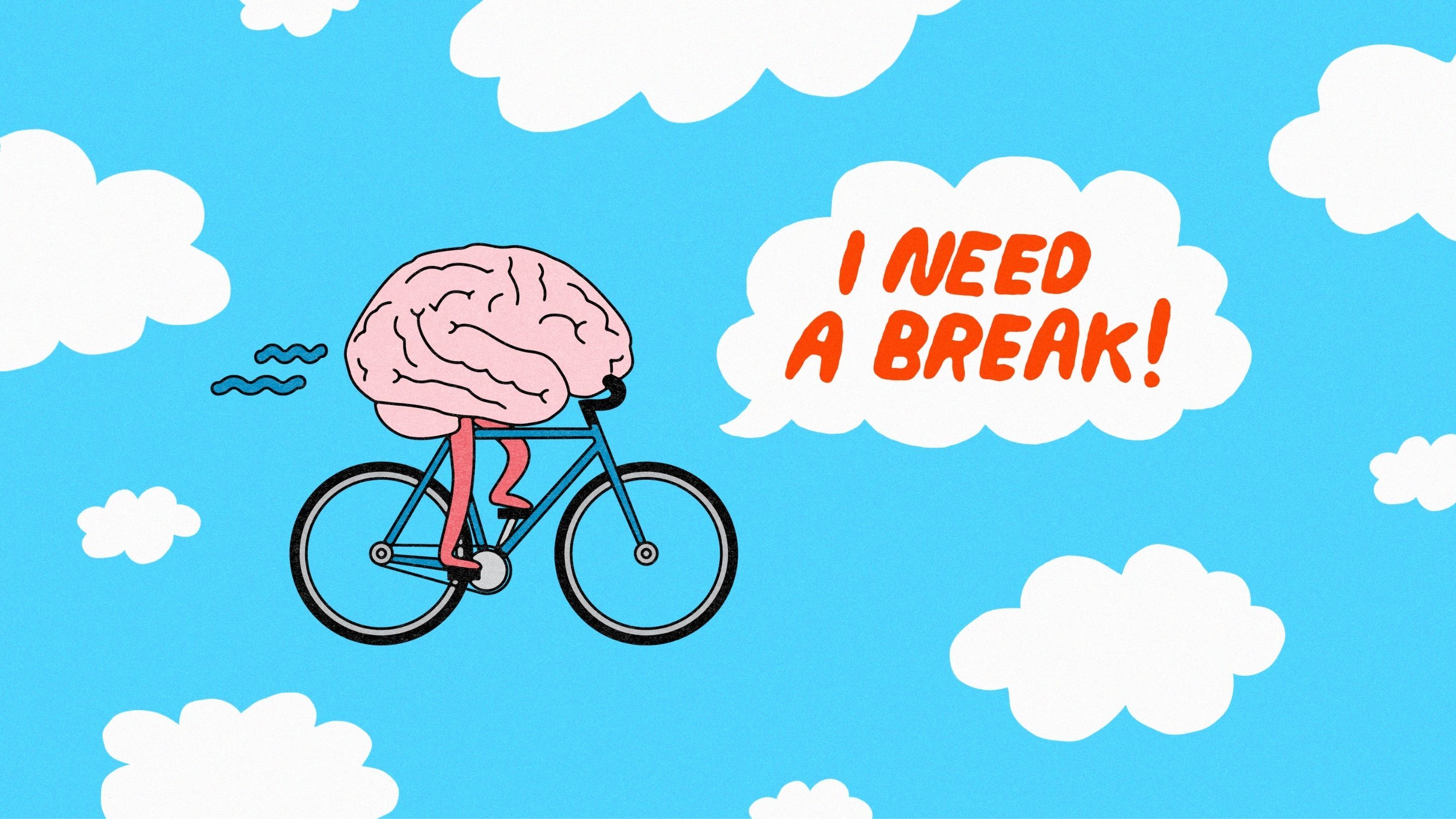
There is a peculiar fiction that haunts the modern workplace: the idea that the human mind is a machine. We imagine our neural circuits as conveyor belts, capable of running without interruption as long as the raw material of caffeine and willpower is continuously fed into the hopper. Yet, to hold this belief is to misunderstand the fundamental architecture of thought. The brain is not a steel engine; it is a living forest. And like any forest, it requires not only periods of blazing sunlight but also intervals of twilight and rest to regenerate the soil of insight. If you have ever sat at your desk, staring at a problem that remains stubbornly opaque, you have experienced the precise moment when the forest floor grows barren. The answer is not to push harder. The answer is to step away.

In a world where first impressions are often digital, your professional identity isn’t just a resume—it’s a dynamic asset that shapes opportunities, credibility, and influence. Yet, many professionals struggle to move beyond the static labels of job titles and past roles. The fascination with building a high-output identity isn’t just about visibility; it’s about crafting a narrative that aligns with your ambitions, values, and the value you bring to the world.

Remote work has redefined the modern workplace, offering flexibility and freedom while introducing new challenges in maintaining structure and well-being. Without clear boundaries, the lines between professional and personal life can blur, leading to burnout, distractions, and diminished productivity. Building intentional boundaries isn’t just about discipline—it’s about designing a work environment that supports both performance and peace of mind. Whether you’re a seasoned remote worker or transitioning to a hybrid model, understanding how to set and enforce boundaries is essential for long-term success.

Have you ever noticed that the moment you most desperately need a brilliant idea is precisely when your mind feels like a crowded subway car at rush hour? We sit at our desks, palms flat on the keyboard, staring at a blank screen, and we command ourselves to focus. Yet, the harder we squeeze our mental brakes, the faster the thoughts seem to scatter. It is a strange, almost cruel paradox: creative focus cannot be hunted. It must be invited. But how does one invite a wild, skittish muse to sit still?
Ideas are the currency of progress, yet most of us treat them like rare gems buried deep in the earth—something to be mined with pickaxes of effort and patience. But what if ideas weren’t buried at all? What if they were already scattered around us, waiting to be plucked like low-hanging fruit? The secret to generating better ideas faster isn’t about digging deeper; it’s about sharpening your ability to see what’s already there. This isn’t just about brainstorming harder—it’s about thinking differently.
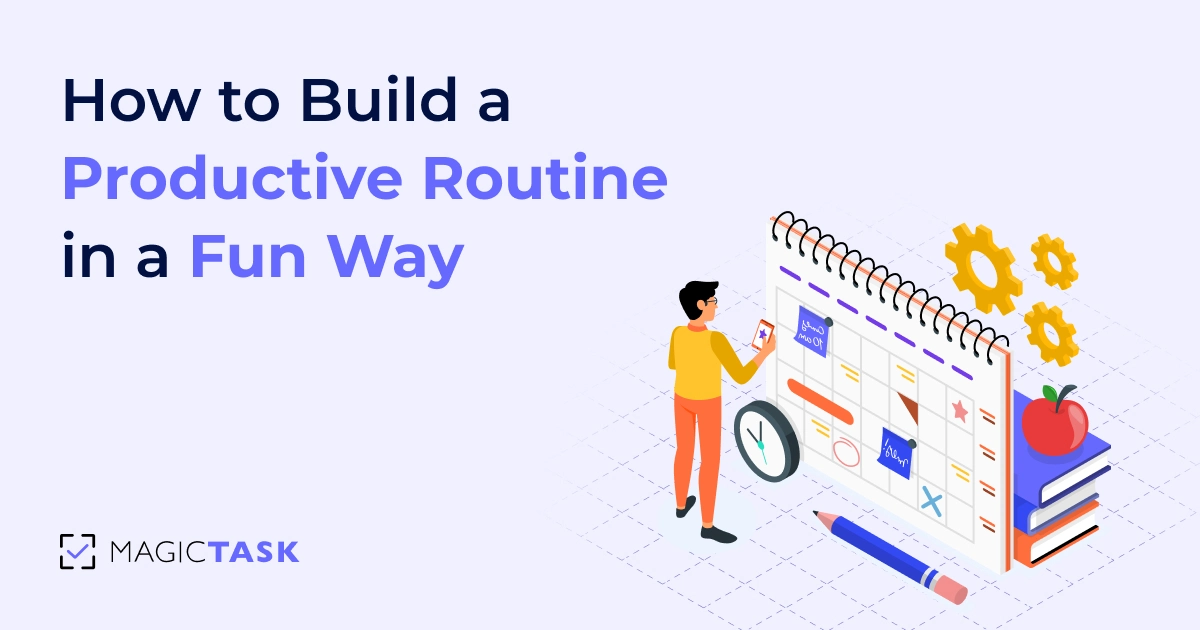
In a world where distractions are just a swipe away, building a productivity routine that sticks isn’t just about discipline—it’s about strategy. And the best strategy? Leveraging technology to automate, streamline, and supercharge your workflow. Whether you’re a freelancer juggling multiple clients, a remote worker balancing deep work with meetings, or a student managing deadlines and exams, a tech-powered routine can be your secret weapon.

We have all observed them—those individuals who seem to possess an inexhaustible reservoir of energy, whose presence expands the room rather than contracting it. They move through demanding days with a fluidity that borders on the supernatural, leaving others wondering not just how they do it, but why their approach to living feels so different. This fascination is not merely about productivity; it is about a palpable quality of aliveness. The deeper reason for our intrigue lies not in their genetics, but in the invisible architecture of their day: a constellation of small, deliberate actions that they perform with a rigor others reserve for major life events. These are not vague intentions; they are lifestyle rituals designed to manage energy rather than time.
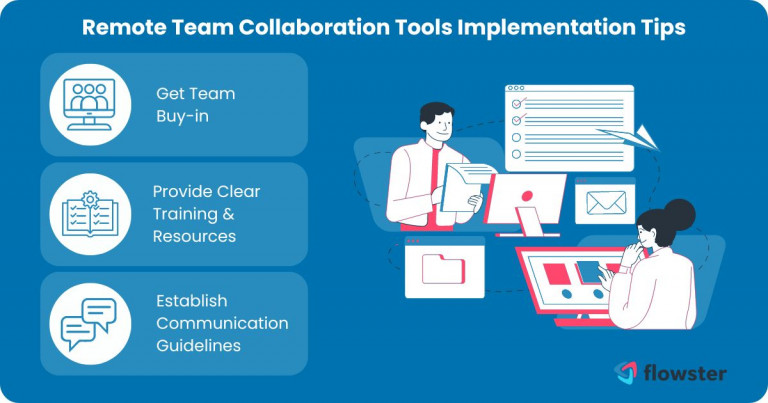
It begins with a quiet observation, one that strikes any manager who has watched a distributed team fumble through a weekly check-in. The conversation lags. A task gets duplicated in a spreadsheet that no one updated. A brilliant idea, born in a fleeting Slack message, vanishes into the digital ether. The fascination, however, lies not in the breakdown itself, but in the precise moment it breaks. We are drawn to the puzzle of distance—how to collapse geography not with brute force, but with deliberate craft. The tools are not just software; they are the architecture of a new kind of human coordination, where the rhythm of collaboration must be composed, not assumed.
