



Exams are a universal experience—whether you’re a student facing final assessments, a professional pursuing certifications, or someone revisiting education after years away. Yet, despite their inevitability, exams often trigger stress that can cloud focus, drain motivation, and even undermine preparation. The irony isn’t lost on anyone: the very tools designed to measure knowledge can become sources of anxiety, turning what should be a structured evaluation into a psychological hurdle.
Ajarn Forum Latest Articles
How to Turn Stress Into Productivity

Stress is the silent architect of modern life—a relentless force that shapes our days, sharpens our focus, and, if left unchecked, can crumble the foundations of our well-being. Yet, what if stress isn’t the enemy, but the crucible in which productivity is forged? What if, instead of resisting it, we learned to harness its energy, to transmute its pressure into purpose? This is the art of stress alchemy: the deliberate transformation of chaos into clarity, of tension into traction. Welcome to the science and strategy of turning stress into your most potent productivity tool.
How to Build a Money System That Runs Itself

A self-sustaining money system isn’t a myth—it’s a strategic framework designed to automate your finances, reduce stress, and free up mental space for what truly matters. Whether you’re a freelancer, a salaried professional, or an entrepreneur, the goal remains the same: to create a system where your money works for you, not the other way around. This guide breaks down the essential components of such a system, offering actionable steps and insights to help you build a financial engine that requires minimal intervention once set up.
The 2‑Minute Habit That Changes Your Life


The Architecture of Momentum: One Hundred and Twenty Seconds
Consider the humble grain of sand. Alone, it is insignificant, a speck easily dismissed by a passing wind. Yet, gathered by the trillions, it forms the vast, silent architecture of the desert and the delicate, imprisoning beauty of the hourglass. A life, much like a dune, is not built in towering, dramatic leaps, but in the relentless, silent accumulation of tiny particles. The most profound secret to lasting change is not a grand, sweeping resolution, but a deceptively simple, almost laughably small promise: the two-minute rule. It is the grain of sand that, when placed with intention, begins to shift the entire landscape of your being.
How to Stay Productive on Weekends

Weekends are the universe’s way of giving us a second chance—an unscripted intermission where the usual hustle pauses, and the mind, unshackled from Monday’s tyranny, finally gets to stretch its legs. But here’s the paradox: the very freedom that makes weekends so alluring is also what makes them so dangerous. Without structure, that blank canvas of two days can dissolve into a haze of binge-watching, doomscrolling, or the kind of aimless drifting that leaves you wondering where the time went. Productivity on weekends isn’t about cramming in more work; it’s about curating your time so that it fuels you, rather than drains you. Think of it like tending a garden: if you neglect it, weeds take over. But if you nurture it with intention, it blooms into something extraordinary.
How to Build a Creative Workflow That Scales

Ever feel like your creative genius is trapped in a bottleneck? You’ve got ideas bursting at the seams, but the moment you try to execute them, the process collapses under its own weight. What if I told you that the secret to scaling creativity isn’t about working harder—it’s about working *smarter*?
How to Build a Health‑First Productivity System

What if the real secret to crushing your goals isn’t working harder—but working *healthier*? Most productivity systems treat your body like a machine: fuel it with caffeine, push it to the limit, and hope it doesn’t overheat. But what if your brain and body are more like a high-performance sports car? You wouldn’t rev it to redline without oil changes, fresh tires, and a pit crew monitoring its vitals. So why do we treat our most valuable asset—our health—like an afterthought in the pursuit of productivity?
The Digital Habits That Improve Focus

The Architecture of Attentional Sanctuaries
Imagine your mind is a library. For centuries, this library had quiet, well-defined rooms: a room for reading, a room for conversation, a room for rest. The digital age, however, bulldozed the walls. Now, every room broadcasts the sound of a distant train, the flicker of a neon sign, and the chatter of a hundred disembodied voices. Focus, the ability to dwell deeply in a single room of thought, has become an architectural problem. The most effective digital habits are not merely about turning things off; they are about rebuilding the walls, installing silent doors, and curating the very atmosphere of your mental spaces. This is not a retreat from technology, but a reclamation of sovereignty over your own attention.
How to Build a High‑Performance Learning System

Imagine a world where every lesson lands with precision. Where knowledge isn’t just absorbed—it’s mastered. Where learners don’t just remember—they apply. This isn’t a futuristic fantasy. It’s the promise of a high-performance learning system: a carefully engineered ecosystem designed to deliver results that scale with ambition.
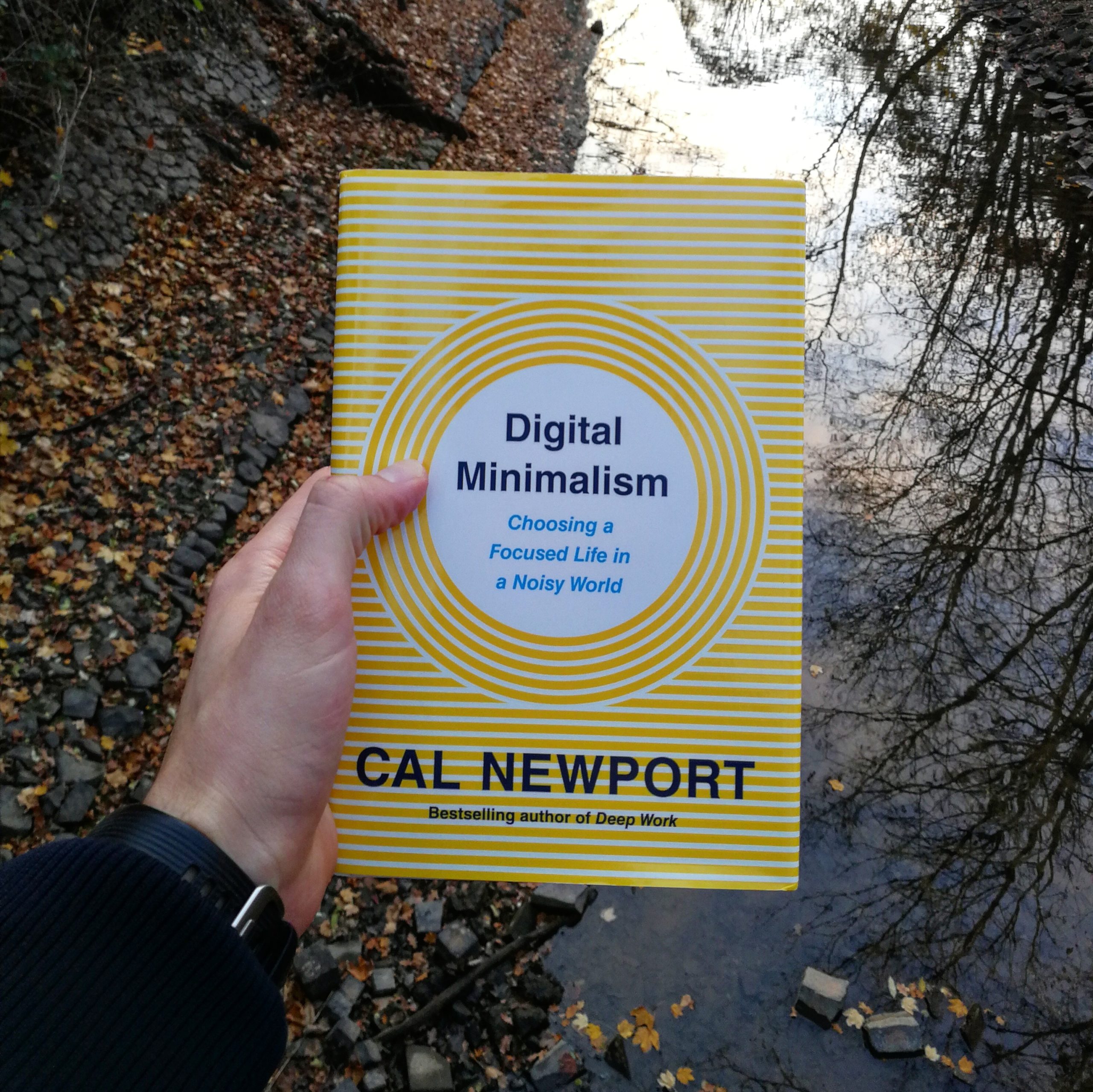
The Digital Minimalism Blueprint
The Unseen Costs of Constant Connection
We have traded presence for pings, contemplative silence for a ceaseless stream of thumb-scrolling. The digital environment, for all its marvels, has engineered a subtle crisis: our attention has been commodified, parceled out in six-second increments to the highest algorithmic bidder. You feel it as a low-grade hum of anxiety, the phantom vibration in your pocket, the reflexive check for a notification that reveals nothing new. This is not a weakness of will. It is a design flaw in the very architecture of our lives. The anxiety you feel is the price of a system optimized for engagement, not for your flourishing.