


Ever felt like technology is moving faster than a caffeinated squirrel on a sugar rush? You’re not alone. One minute, you’re mastering the latest app, and the next, it’s already outdated—replaced by something sleeker, shinier, and just confusing enough to make you question your life choices. But what if staying efficient with tech changes wasn’t about keeping up, but about outsmarting the chaos? Let’s dive into how you can not just survive, but thrive, in this whirlwind of updates, upgrades, and “Wait, what does this button do?” moments.
Ajarn Forum Latest Articles
The Communication Skills That Boost Productivity


The Unseen Leverage of Effective Dialogue We often mistake productivity for a solitary pursuit—a hermit’s discipline of spreadsheets, focus apps, and pristine calendars. Yet, the most profound productivity gains are rarely found in the quiet of a single mind. They ...
The Best Note‑Taking System for Thinkers
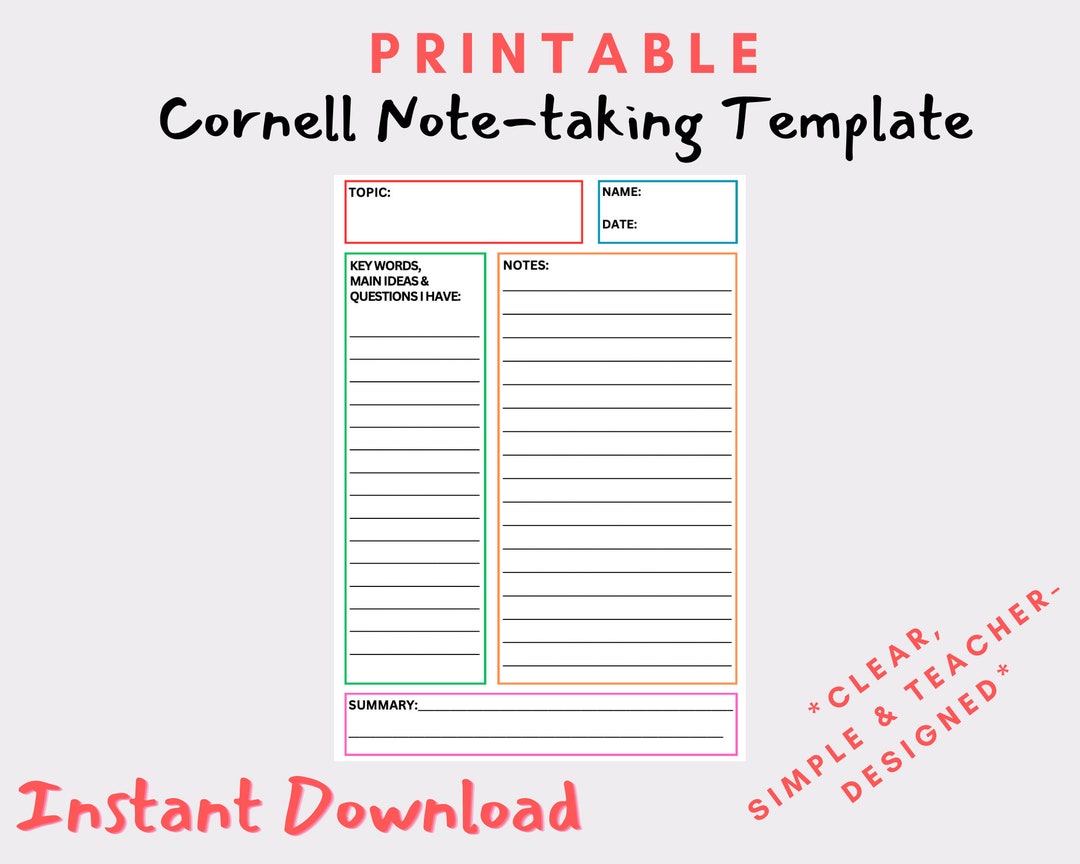
The Promise of a Cartography for Thought
Most note‑taking advice is a lie dressed in bullet points. It tells you to capture everything, to be exhaustive, to build a second brain that mirrors the first. But a thinker does not need a repository; they need a forge. The best system isn’t about storage—it’s about transformation. It turns the raw magma of an idea into a lens through which you see the world differently. This shift is subtle but absolute: you stop collecting knowledge and start cultivating insight. The tool you choose becomes less a notebook and more a cartography of your own cognition, mapping territories of thought you didn’t know existed.
The Digital Tools That Transform Your Workflow
Have You Ever Cleaned a Digital Augean Stable?
Imagine, if you will, a desk not of oak or walnut, but of pixels and notifications. Upon it sits a cacophony of browser tabs, a graveyard of unread emails, and the spectral remains of a project that died last quarter. Is this a workspace of productivity, or a labyrinth of digital paralysis? The question, posed with a wry smile, is this: If your digital workflow were a physical room, would you willingly eat lunch in it? The challenge, dear reader, lies not in acquiring more tools, but in wielding the right ones to transform this chaos into a cathedral of clarity. We are not merely seeking speed; we are seeking a fundamental reshaping of how we move through our daily digital existence.
How to Improve Your Information Processing Speed

In an era where information bombards us from every direction—emails, social media, news alerts, and endless streams of data—it’s no surprise that many people feel overwhelmed. You might notice it takes longer to read a paragraph, follow a conversation, or make quick decisions. This isn’t just about being distracted; it’s often a sign that your brain’s processing speed needs a tune-up. Information processing speed refers to how quickly your brain can take in, interpret, and respond to information. While some people naturally process information faster, others can train their brains to keep up with the demands of modern life. The good news? Improving your processing speed is entirely possible with the right strategies.
The Tech Habits of Ultra‑Productive People
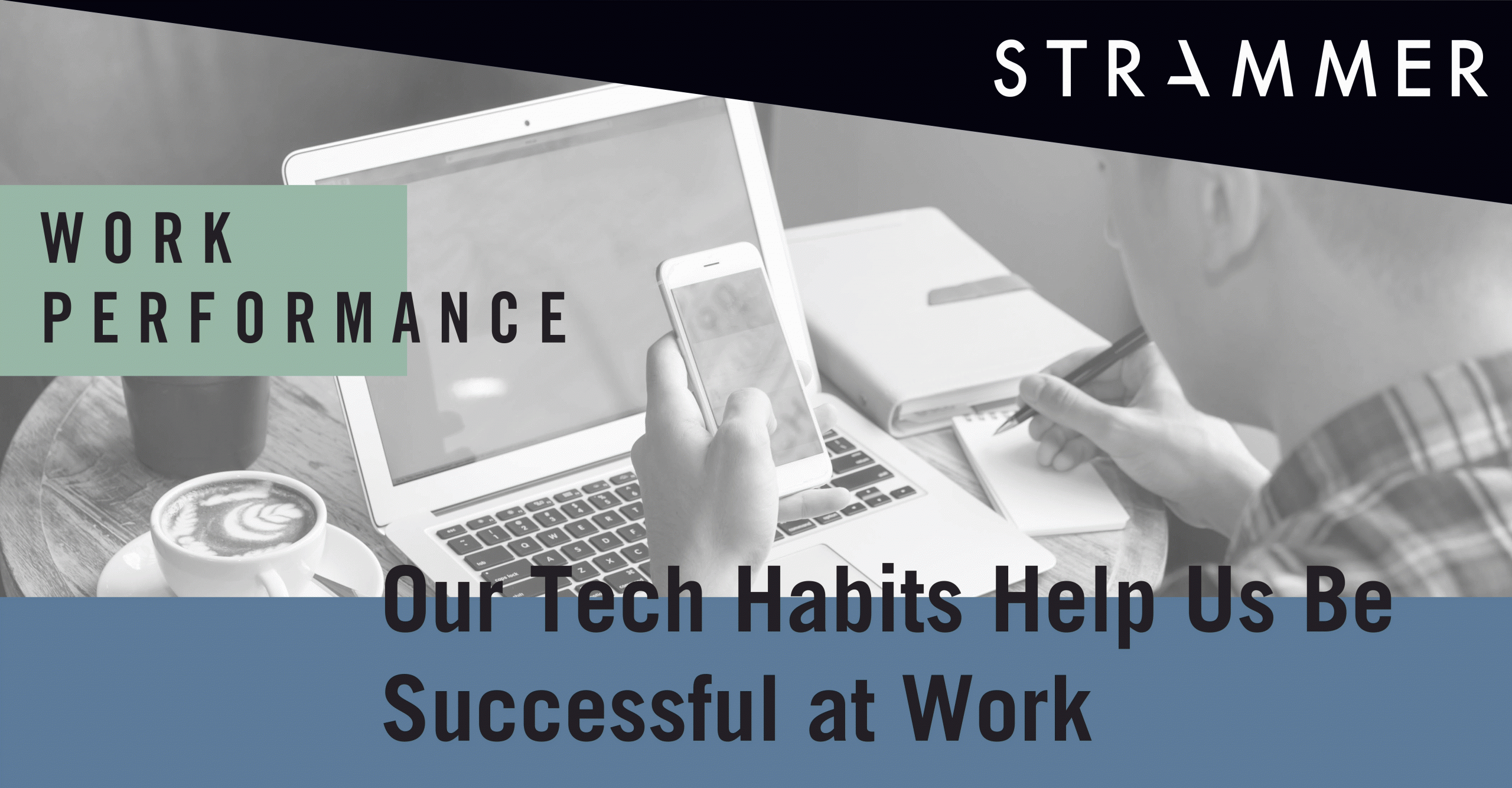
The Quiet Revolution of the Highly Effective
It begins with a simple observation that, once made, becomes impossible to ignore. Walk through any modern office, coffee shop, or co-working space, and you will see them: individuals who glide through their digital environment with a preternatural calm, dispatching tasks with surgical precision while others flounder in a sea of notifications and browser tabs. There is an almost magnetic quality to their workflow, a rhythm that suggests they possess a secret knowledge, a code that unlocks not just greater productivity, but a profound sense of control. The fascination with the tech habits of ultra-productive people is not merely about time management; it is a deeper, almost anthropological curiosity about how they have forged a truce with the very tools that threaten to overwhelm the rest of us.
How to Stay Productive While Pursuing Big Goals
We’ve all been there: staring at a mountain of tasks, feeling the weight of ambition pressing down, yet somehow slipping into the gravitational pull of distraction. The paradox isn’t lost on us—we want to achieve great things, yet the path feels littered with interruptions, procrastination, and the quiet whisper of doubt. Why does productivity feel so elusive when our goals are so compelling? The answer lies not in the size of the goal, but in the architecture of our daily habits and the psychology that governs them.
How to Build Motivation That Doesn’t Fade

What if I told you that motivation isn’t something you *find*—it’s something you *build*? Like a muscle that weakens without use or a fire that dies without kindling, motivation isn’t a fleeting spark but a craft you can master. Yet, most of us treat it like a guest who arrives unannounced, stays for a while, and then vanishes without warning. Why does motivation fade? And more importantly—how do you keep it alive when the going gets tough?
How to Stop Overthinking and Take Action

Overthinking is a silent thief—it steals your time, drains your energy, and leaves you paralyzed in a loop of “what-ifs.” But what if the solution isn’t about silencing your mind, but rewiring it? What if the key to breaking free from the cycle of overanalysis isn’t willpower, but a fundamental shift in how you perceive your own thoughts? This isn’t just another article about “stopping” overthinking. It’s a guide to transforming your relationship with your mind, so you can finally move from hesitation to decisive action.
How to Improve Your Mental Processing Speed

In a world that moves at an ever-accelerating pace, the ability to process information quickly isn’t just an advantage—it’s a necessity. Whether you’re juggling work deadlines, absorbing new skills, or simply trying to keep up with daily conversations, a sharp mental processing speed can make the difference between feeling overwhelmed and feeling in control. Yet, many people dismiss slow cognition as an inevitable part of aging or stress, unaware that it can often be sharpened with the right strategies. What if the key to a faster mind isn’t just about raw intelligence, but about how efficiently your brain handles information? Let’s explore how you can enhance your mental agility and why it matters more than you might think.