


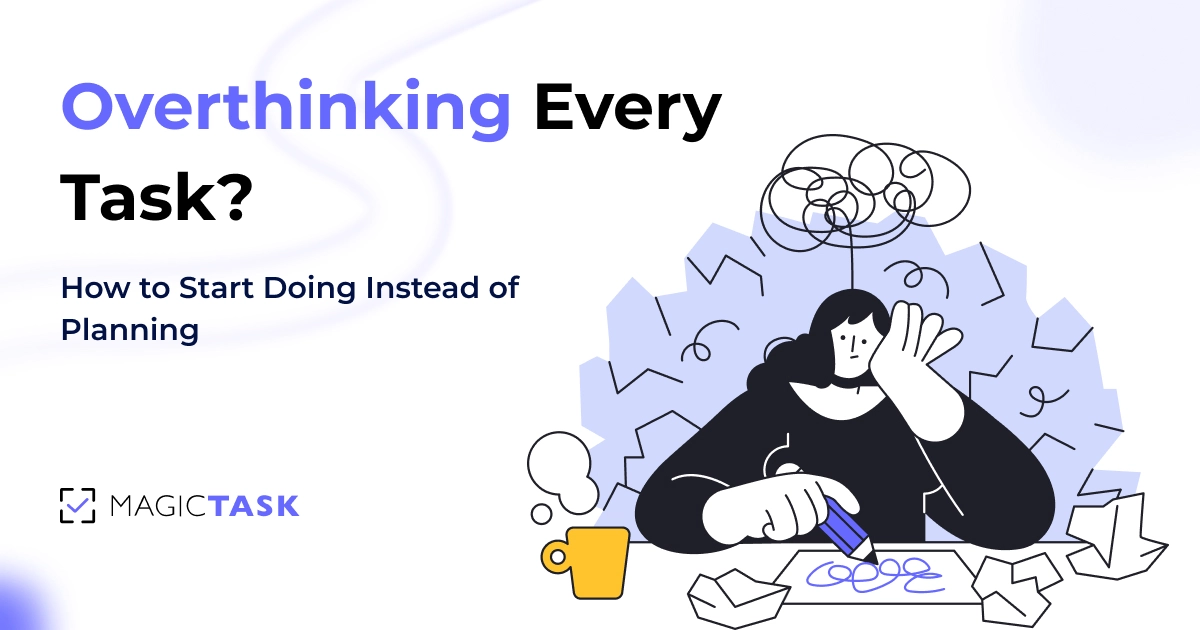
In a world where distractions are just a click away, the idea of a productive online routine feels like chasing a mirage—always visible, yet frustratingly out of reach. We scroll through endless tutorials promising “the perfect system,” only to find ourselves back where we started: overwhelmed, distracted, and questioning why consistency remains so hard to maintain. The truth? Productivity isn’t just about tools or time management; it’s about understanding the deeper forces shaping our habits and attention.
Ajarn Forum Latest Articles
The Strategic Execution Framework You Need

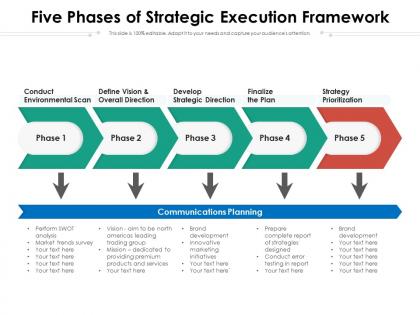
The Strategic Execution Framework You Need
Strategy without execution is a hallucination. Every organization has a vision, but the graveyard of corporate ambition is littered with elegant five-year plans that never survived contact with quarterly realities. The difference between aspiration and achievement is not brilliance—it is a framework. The Strategic Execution Framework is the operational nervous system that converts abstract intent into tangible results. This article unpacks what readers can expect when they engage with this methodology, moving beyond generic advice into the granular mechanics of making strategy stick.
The Ultimate Habit Tracker System
The Architecture of Consistency: What Makes a System Endure
Habit tracking is rarely about the tracking itself. It is about the quiet architecture of commitment—the invisible scaffolding that turns a momentary intention into a lasting identity. The Ultimate Habit Tracker System is not a mere checklist; it is a personal operating system for daily discipline. It lives at the intersection of design, psychology, and raw data. The most effective systems do not demand more willpower; they eliminate the need for it by reducing friction. A well-structured tracker separates the signal from the noise, allowing you to see not only what you did, but what you are becoming. Whether you are a journaling devotee or a digital minimalist, the right system provides a mirror for your days, revealing patterns that the chaos of life otherwise obscures.
The Leadership Skills That Drive Modern Productivity
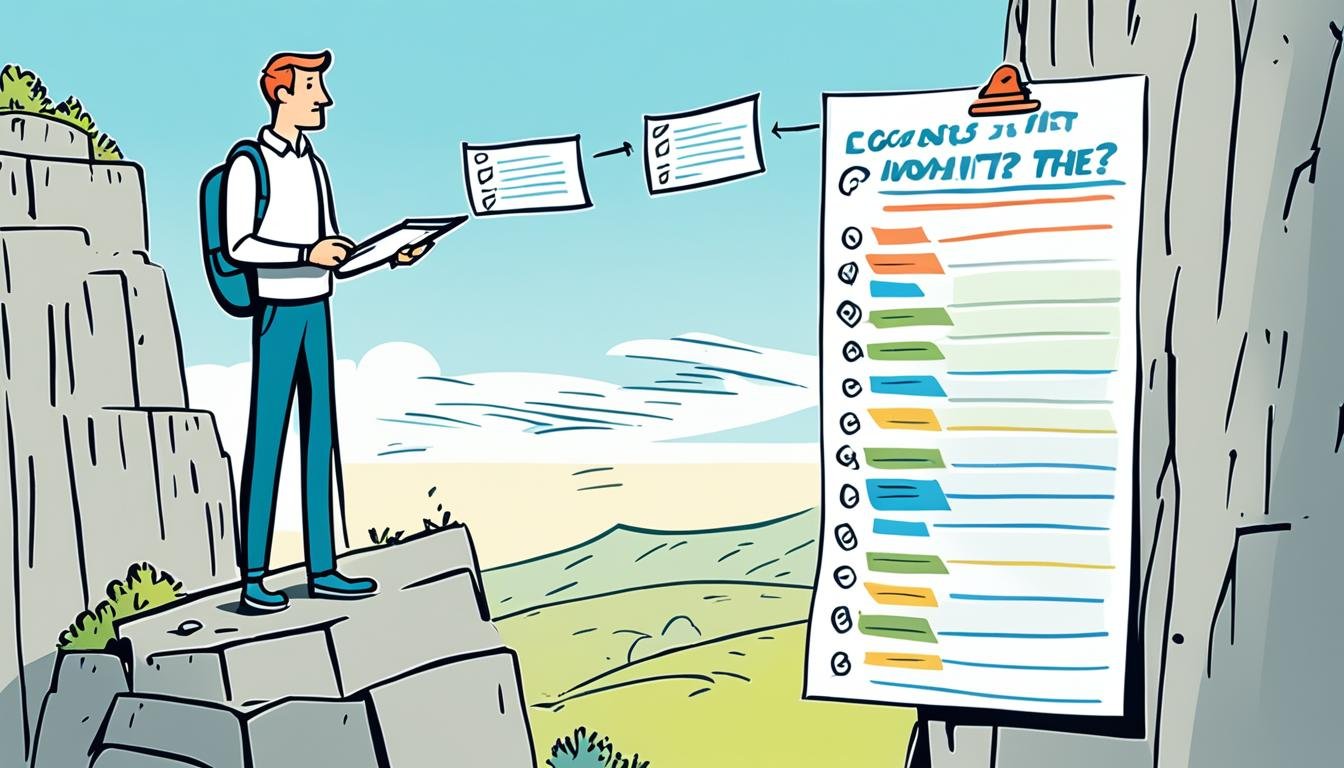
The Productivity Paradox: What If Your Efficiency is Making You Less Effective?
Are you moving faster than ever yet feeling like you’re running in place? It is the great irony of the modern workplace: our tools promise speed, our calendars demand optimization, and our inboxes scream for immediate responses. We have become masters of the urgent. But in this frantic race to clear checklists, we often leave behind the one element that separates motion from momentum: true leadership. The challenge, then, is not how to do more in less time, but how to lead in a way that multiplies effort rather than merely exhausts it. This is the terrain where leadership skills become the engine of sustainable, modern productivity.
The Self‑Management Habits That Boost Productivity
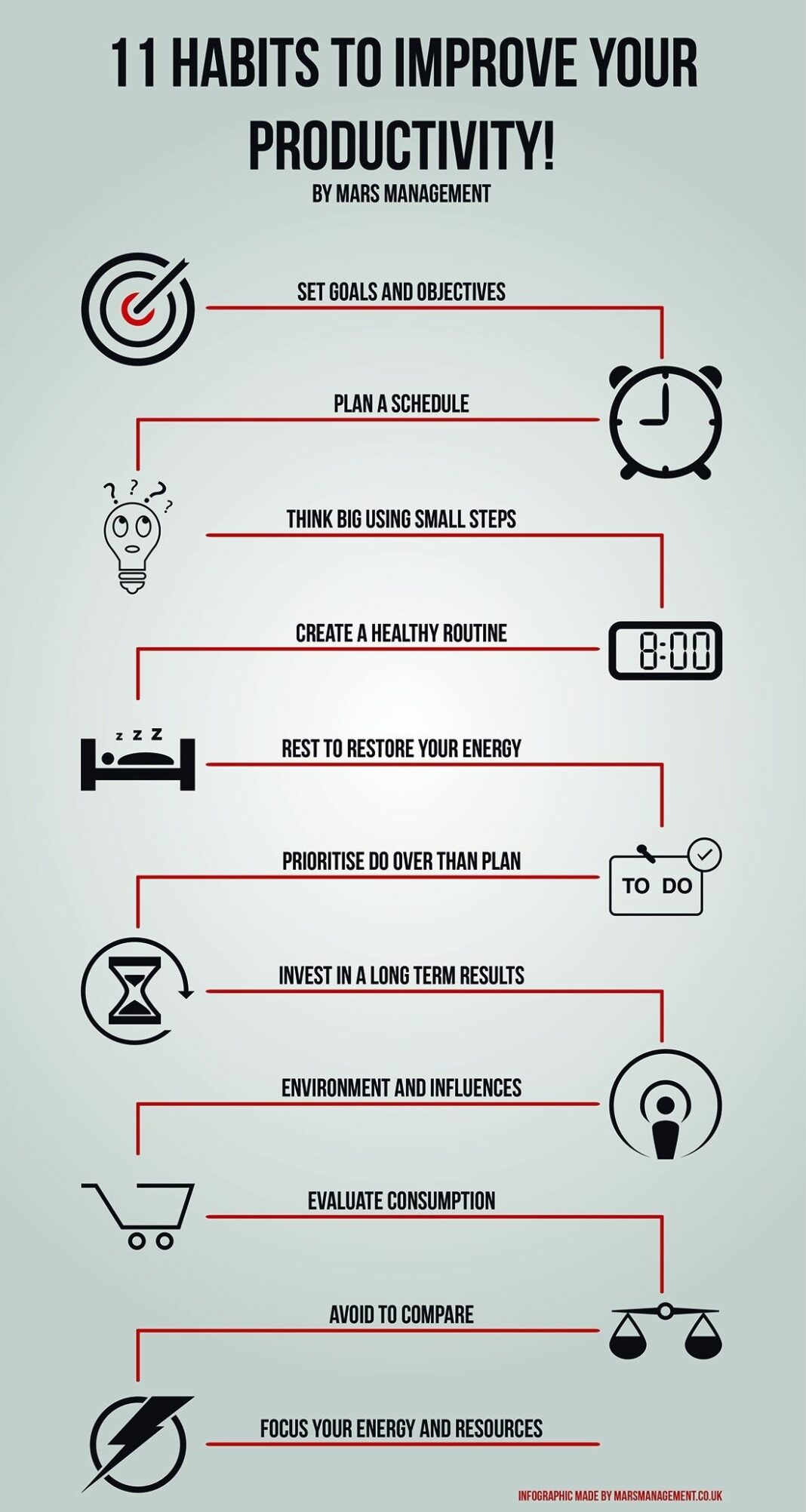
The Architect of Attention: Mastering the Invisible Habits of Self-Management
We live in the age of the open loop. A million half-finished thoughts, blinking notifications, and deferred decisions orbit our consciousness like debris in a forgotten orbit. Productivity, as it is commonly sold, is a frantic attempt to sweep this debris into a neat pile. But true, sustainable output is not a sprint; it is a careful act of architecture. The habits that elevate a person from busy to effective are not about doing more, but about constructing a resilient internal system. They are the load-bearing walls of a quiet, focused mind, the invisible blueprints that transform chaos into a cathedral of progress.
How to Work Fast Without Losing Quality

In a world that rewards speed and efficiency, the challenge isn’t just about doing more—it’s about doing it better. Whether you’re a freelancer racing against deadlines, a manager juggling multiple projects, or a creative professional balancing inspiration with execution, the pressure to deliver high-quality work quickly is relentless. But here’s the truth: speed and quality aren’t mutually exclusive. They can coexist, and when they do, they become a powerful competitive advantage. This guide explores how to work fast without compromising excellence, offering actionable strategies tailored to different types of content and work styles.
The Tech Setup That Maximizes Output

What If Your Desk Were a Cockpit?
Consider, for a moment, the peculiar thrill of surrendering control. A pilot, strapped into a cockpit, doesn’t fight the machine; she becomes its conductor. Every toggle, every screen, every subtle vibration of the yoke is a conversation—a fluid negotiation between intent and action. Now, glance at your own workspace. Does it feel like a cockpit or a cluttered basement archive? The challenge, elusive and often neglected, is this: can we design a physical and digital environment that doesn’t just allow focus, but demands it? We are chasing the output that feels effortless precisely because the friction has been engineered away. The question is not whether you can work hard, but whether your setup lets you work smart without thinking about the working at all.
How to Study Smarter Not Longer

Imagine your brain as a grandmaster’s chessboard—every square a potential move, every piece a concept waiting to be mastered. Now, consider the way a grandmaster doesn’t just move pieces randomly; they see patterns, anticipate consequences, and play with precision. Studying smarter, not longer, is much the same. It’s not about brute-force endurance; it’s about strategy, rhythm, and knowing when to strike. In this guide, we’ll explore how to transform your study sessions from tedious marathons into high-efficiency sprints, where every minute counts like a queen’s gambit in the final move.
How to Build a Life That Rewards Discipline
Discipline is often misunderstood as a rigid, joyless adherence to rules. Yet, those who cultivate it discover something far more powerful: a life that rewards them not just with success, but with freedom. The irony is that discipline, when mastered, becomes the very thing that liberates you from chaos, procrastination, and regret. It’s not about deprivation; it’s about designing a life where effort compounds into tangible rewards—where every small action today plants the seeds for a future you actually want.
How to Stay Consistent at the Highest Level

There’s a quiet frustration that lingers when we set out to achieve something meaningful—only to watch our momentum dissolve into excuses. We start strong, fueled by inspiration, but somewhere between the first and the hundredth step, the discipline wanes. The irony? Consistency isn’t about willpower. It’s about systems, mindset, and the subtle art of making the hard things feel effortless. If you’ve ever wondered why some people seem to glide effortlessly toward their goals while others stall out, the answer lies not in talent, but in the architecture of their habits.