


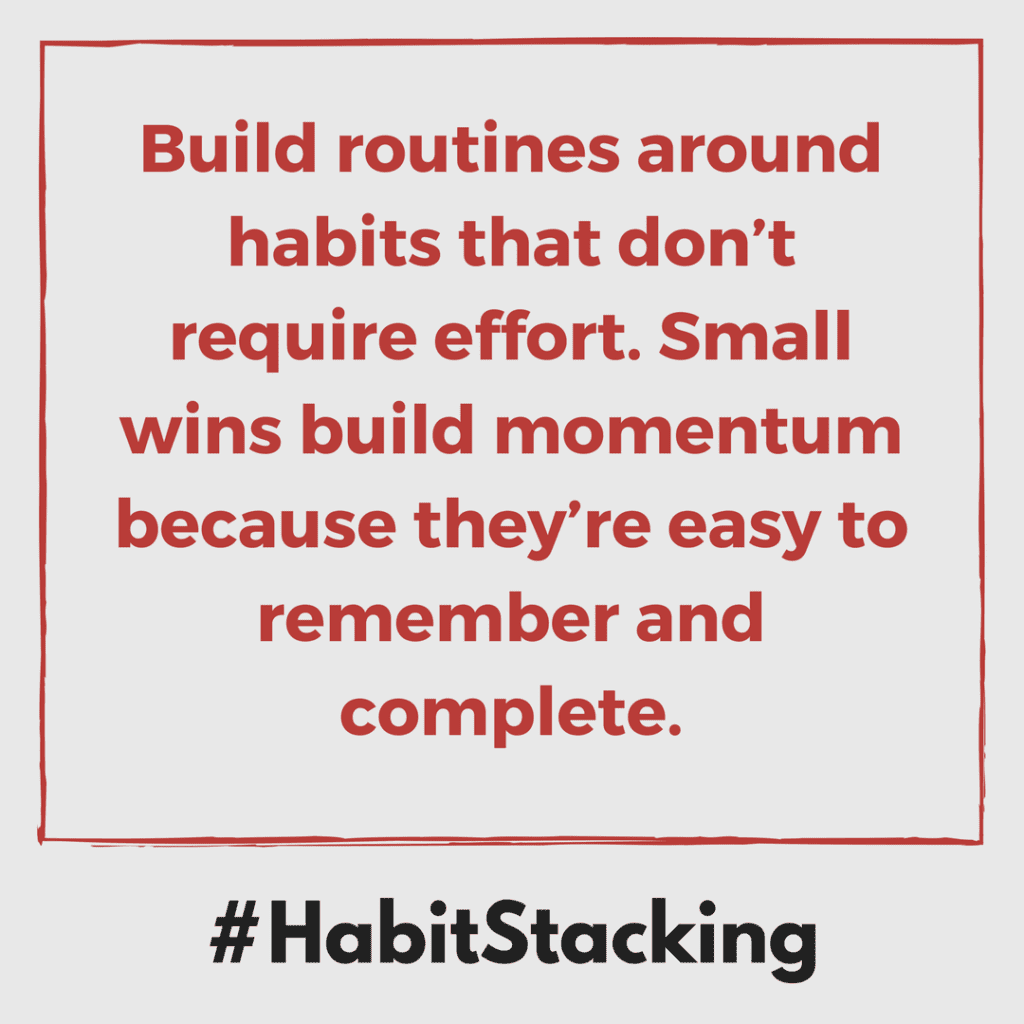
In a world that rewards speed over depth, consistency over spontaneity, and execution over intention, the ability to build a daily execution habit is the ultimate differentiator. Whether you’re an entrepreneur, a creative, or someone simply trying to reclaim control over your time, the difference between those who dream and those who do often comes down to one thing: the discipline of daily action.
Ajarn Forum Latest Articles
The Neuroscience Behind Peak Productivity


Mapping the Marrow of Mastery: An Introduction to Cognitive Efficiency
Productivity is often framed as a matter of willpower—a ceaseless battle against distraction, procrastination, and the gravitational pull of the couch. Yet beneath this surface narrative lies a more profound architecture. Neuroscience reveals that peak productivity is not a character trait but a biological state, orchestrated by the interplay of neural networks, neurotransmitters, and brainwave rhythms. Understanding this machinery transforms the way we approach work, moving us from brute-force discipline to elegant cognitive orchestration. The content a reader can expect from this exploration is not a list of hackneyed tips, but a deep dive into the functional anatomy of the mind when it operates at its finest—the prefrontal cortex’s executive command, the dopamine-driven reward loops, and the recalibration of attention through neuroplasticity.
The Daily Routine That Guarantees Productivity

The Daily Routine That Guarantees Productivity
What if the very thing you believe makes you productive is actually the anchor dragging your day into the abyss? Here’s a seductive thought experiment: imagine you wake up tomorrow, and your calendar is completely blank. No meetings. No deadlines. No alarms. Just you, a cup of coffee, and the glorious, terrifying expanse of eight unscheduled hours. Would you dive headfirst into your most important project, or would you find yourself vacuuming the lint trap in the dryer by 9:15 a.m.? This is the trap. The true challenge of productivity is not a lack of time; it is the illusion of freedom. A blank canvas is the enemy of a finished masterpiece. The daily routine that guarantees productivity is not a prison. It is the scaffolding that allows your creativity to climb without falling.
The Team Workflow That Eliminates Bottlenecks
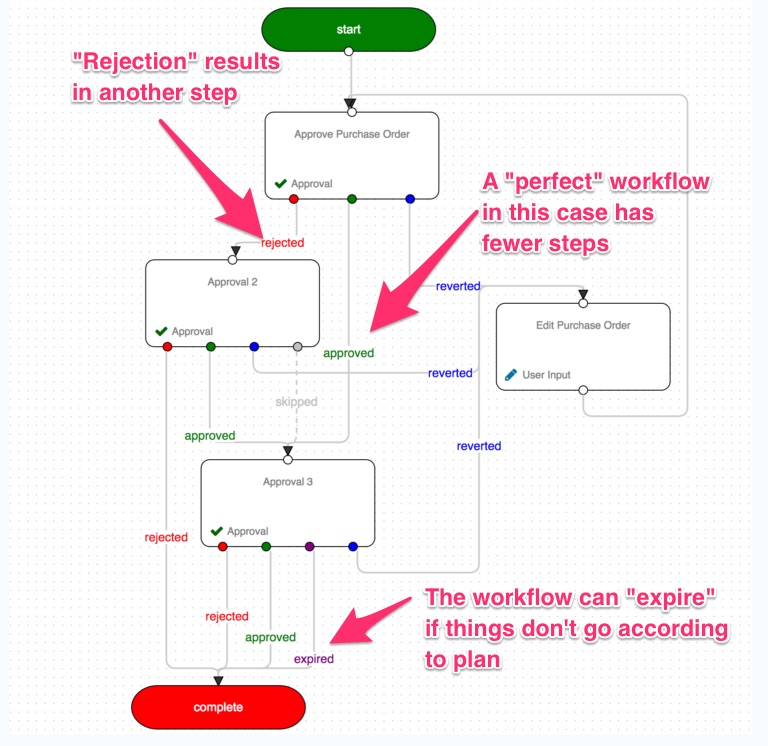
The Architecture of Uninterrupted Flow
Imagine a river system engineered not for maximum volume, but for perfect, unimpeded velocity. Every channel is precisely graded; every sediment trap is placed at the exact point where debris tends to accumulate. This is the aspirational state of a team workflow—a system where force is not exerted against resistance, but channeled through it. The primary adversary in this endeavor is the bottleneck, a point of congestion so acute that it throttles the entire operation. To eliminate bottlenecks is not merely to speed up a process; it is to redesign the process itself so that speed is a natural byproduct of structure. The most effective teams do not react to delays; they pre-empt them by constructing workflows that are inherently self-correcting and fluid.
The Business Automation Hacks You Need

The Myth of “More Hours”
We are taught to believe that productivity is a matter of willpower. That the secret to getting everything done lies in waking up earlier, drinking a specific shade of green tea, and somehow compressing twenty-six hours of work into twenty-four. This is a lie—a comfortable, seductive lie that keeps us tethered to a hamster wheel of exhaustion. The real shift in perspective is not about finding more time; it is about realizing that time, as a linear resource, has already been maxed out. The only remaining frontier is the elimination of choice. Every small decision you make during the day—where to file a document, how to format an email, which lead to call first—is a micro-tax on your cognitive bandwidth. Business automation hacks are not about speed; they are about sovereignty. They are the art of designing systems so that you no longer have to decide.
The Energy Ritual That Keeps You Productive All Day

The Energy Ritual That Keeps You Productive All Day
Imagine a river that runs clear and strong from dawn to dusk, never dwindling into a stagnant puddle by mid-afternoon. That is the elusive ideal of modern productivity—an unbroken current of focus and vitality. Yet most of us treat our energy like a vault we plunder recklessly, making withdrawals of caffeine and grit until the reserves are dry. The secret to sustained performance is not a magic pill or a stricter calendar; it is a ritual—a small, deliberate sequence of actions that recalibrates your internal engine. This is the Energy Ritual: a daily practice that transforms fleeting sparks into a steady flame.
The Remote Work Mistakes That Slow You Down
The Unseen Drag: Rethinking the Habits That Curtail Remote Potential
There is a peculiar paradox woven into the fabric of remote work. On one hand, it promises liberation—freedom from the commute, autonomy over one’s schedule, and the quiet sanctity of a home office. Yet, for many, that promise curdles into a slow, grinding friction. The work gets done, but it feels heavier than it should. The clock ticks, but the needle on meaningful progress barely moves. We often look to the obvious suspects—poor internet, clunky software, or distracting family members. But what if the true drag is something far more subtle? What if the very habits we adopted to prove our productivity are the anchors keeping us from true velocity? Let’s pull back the curtain on the mistakes that don’t just slow down your day—they reshape your entire relationship with work.
The Cognitive Habits of Highly Efficient People
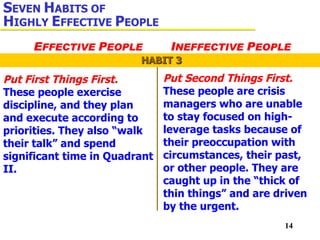
The Overlooked Architecture of Efficiency
Efficiency is rarely about moving faster. The cult of speed has sold us a false promise—that productivity is a function of frantic motion, of cramming more tasks into shrinking slots of time. But step back from the treadmill, and a different truth emerges. Highly efficient people do not simply do more; they think differently. Their secret is not a better calendar app or a longer to-do list, but a set of cognitive habits that restructure the very terrain of decision-making. These mental frameworks are not innate gifts; they are architectures that can be built. And building them requires a fundamental shift in perspective: from managing time to managing attention.
How to Stay Productive While Growing a Startup
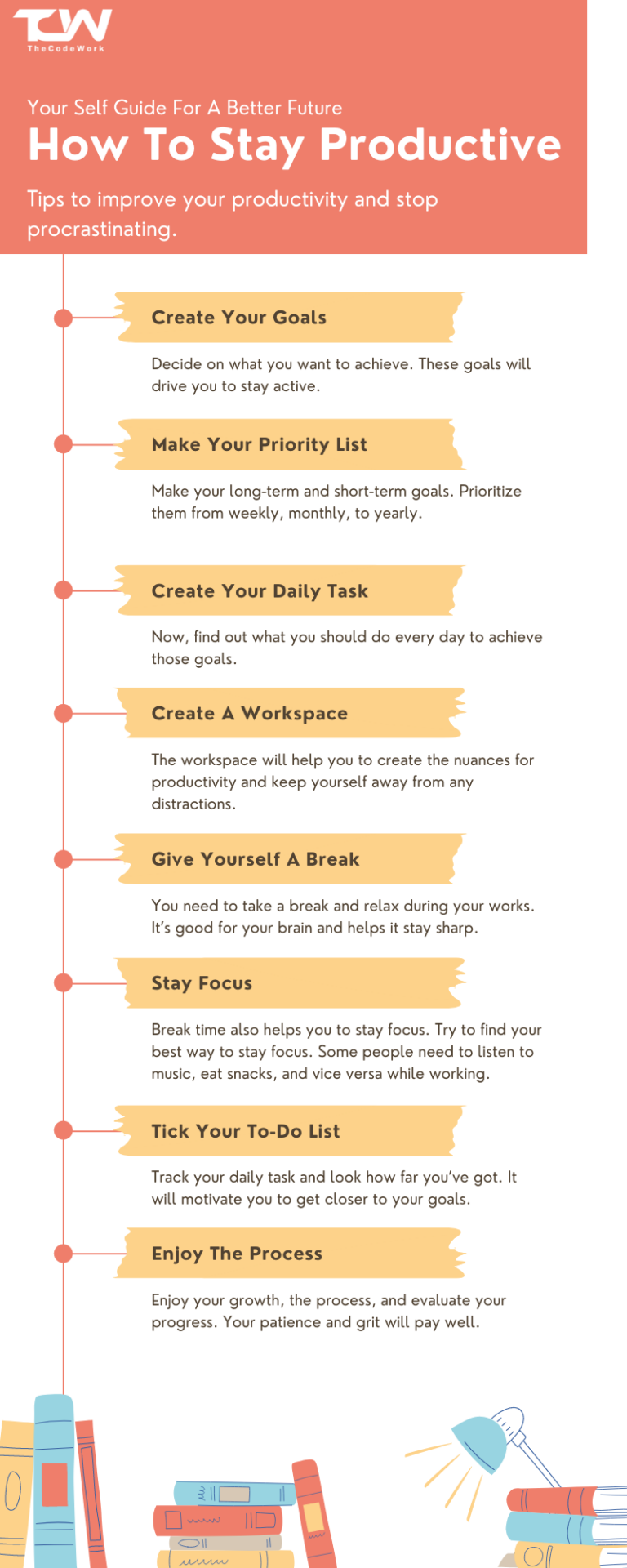
Building a startup is like running a marathon where the finish line keeps moving. Every milestone you reach reveals another hill to climb, another sprint to endure. The difference between those who thrive and those who burn out often comes down to one thing: productivity. Not the frantic, caffeine-fueled hustle that leads to exhaustion, but the deliberate, strategic kind that turns chaos into momentum. Here’s how to cultivate it.
The Identity Mistakes That Limit Your Potential
What If Your Greatest Strength Is Actually Holding You Back?
Imagine, for a moment, that you are climbing a ladder. You have chosen it carefully, tested its rungs, and convinced yourself it is sturdy. Day after day, you climb with focus and determination. The view from the top, you tell yourself, will be worth the effort. But what if you have placed that ladder against the wrong wall? The climb itself becomes a distraction from the most critical question: is this even my wall to climb?