


Overthinking is a silent thief of time, energy, and progress. It’s the voice that whispers doubts when you’re about to take a leap, the habit that traps you in a loop of “what-ifs” instead of propelling you toward action. But what if you could break free from this cycle? What if, instead of drowning in endless analysis, you could redirect that mental energy into meaningful action? The truth is, overthinking doesn’t just waste your time—it steals your potential. The good news? You can reclaim control. This guide isn’t just about telling you to “stop thinking so much.” It’s about rewiring your mindset, sharpening your focus, and building the discipline to turn thought into action. Let’s dive in.
Ajarn Forum Latest Articles
The Peak Performance Mistakes You Don’t Notice

The Gilded Cage of Consistency
We fetishize the grind. We celebrate the athlete who trains through a storm, the executive who works through a fever, the artist who polishes the same stroke until the canvas bleeds. This is the myth of peak performance: a straight, unbroken line upward, carved from sheer will. But every high-performance engine eventually throws a rod not from excessive speed, but from a tiny, undetected vibration. The real saboteur of your potential isn’t laziness or lack of talent. It is the silent, creeping error you commit every single day—the mistake you never notice because it feels exactly like ambition.
How to Stay Strong During Overwhelming Seasons

Life has a way of testing our resolve when we least expect it. Whether it’s a personal crisis, professional burnout, or a global upheaval, overwhelming seasons can leave us feeling drained, uncertain, and even hopeless. But what if these seasons weren’t just obstacles to endure—but opportunities to grow? The key isn’t just to survive; it’s to emerge stronger, wiser, and more resilient than before. Here’s how to navigate these turbulent times with grace and determination.
How to Stay Productive When You’re Sick

Illness is like an uninvited guest—it barges in when you least expect it, overstays its welcome, and leaves you questioning your own resilience. Yet, even in the fog of a runny nose or the ache of a fever, productivity doesn’t have to surrender to the chaos. The key isn’t to fight the sickness head-on but to dance with it, adapting your rhythm to the tempo of your body’s demands. This isn’t about pushing through pain; it’s about working with it, turning what feels like a setback into a strategic advantage. Here’s how to reclaim your focus and output, even when your immune system is staging a mutiny.
How to Build a Life That Scales With You

Life isn’t static. It’s a dynamic force, constantly reshaping itself with each passing year. Yet, so many of us build lives that feel rigid, as if we’ve poured our ambitions into a mold that hardens the moment we step away. We chase promotions, relationships, and milestones, only to realize too late that the life we’ve constructed doesn’t bend with us. It doesn’t scale.
The Elite Productivity Systems Used by Top Performers

The Elite Productivity Systems Used by Top Performers
In the modern temple of haste, where every second is currency and attention is a scarce mineral, most people are merely shoveling sand against the tide. They fill calendars with the noise of motion, mistaking activity for progress. But there exists a quiet, rarefied air—the domain of the top performer. Here, productivity is not a frantic scramble; it is an architecture, a symphony of deliberate systems. It is less about doing more and more about building a machine that does the heavy lifting for you. The elite do not chase time; they bend it. Their secret is not sheer willpower, but the design of an ecosystem that makes high performance inevitable.
The Productivity Power of Emotional Strength

The Unseen Architecture of Resilience
We tend to view productivity as a mechanical problem—a matter of optimizing calendars, refining to-do lists, or installing another app that promises to shave seconds off our morning routine. Yet beneath the surface of every efficient workflow lies a far more volatile variable: the emotional state of the operator. Emotional strength is not a soft, intangible virtue reserved for yoga retreats or therapy sessions. It is, in fact, the load-bearing wall upon which sustained output depends. Without it, the most sophisticated productivity system crumbles the moment a criticism arrives, a deadline shifts, or a project fails.
The Ultimate Guide to Life Optimization
The Ultimate Guide to Life Optimization
We have all felt it—that subtle, persistent friction in the gears of an otherwise good day. A missed deadline because the car battery died. An hour of productivity lost to a cluttered desktop. A conversation derailed by a poorly timed notification. These aren’t catastrophes; they are micro-failures. Yet, we gaze at the polished lives of others—the early risers, the planners, the ones who seem to move through life with the liquid grace of a well-crafted system—and we wonder: What do they know that I don’t? The fascination isn’t with perfection; it is with flow. Life optimization is not about squeezing every second of joy out of life; it is about removing the grit that slows you down, aligning your environment, your time, and your energy so that life feels less like a struggle and more like a meaningful pursuit. This guide is your operating manual for that alignment.
The Mastery Framework for Lifelong Productivity
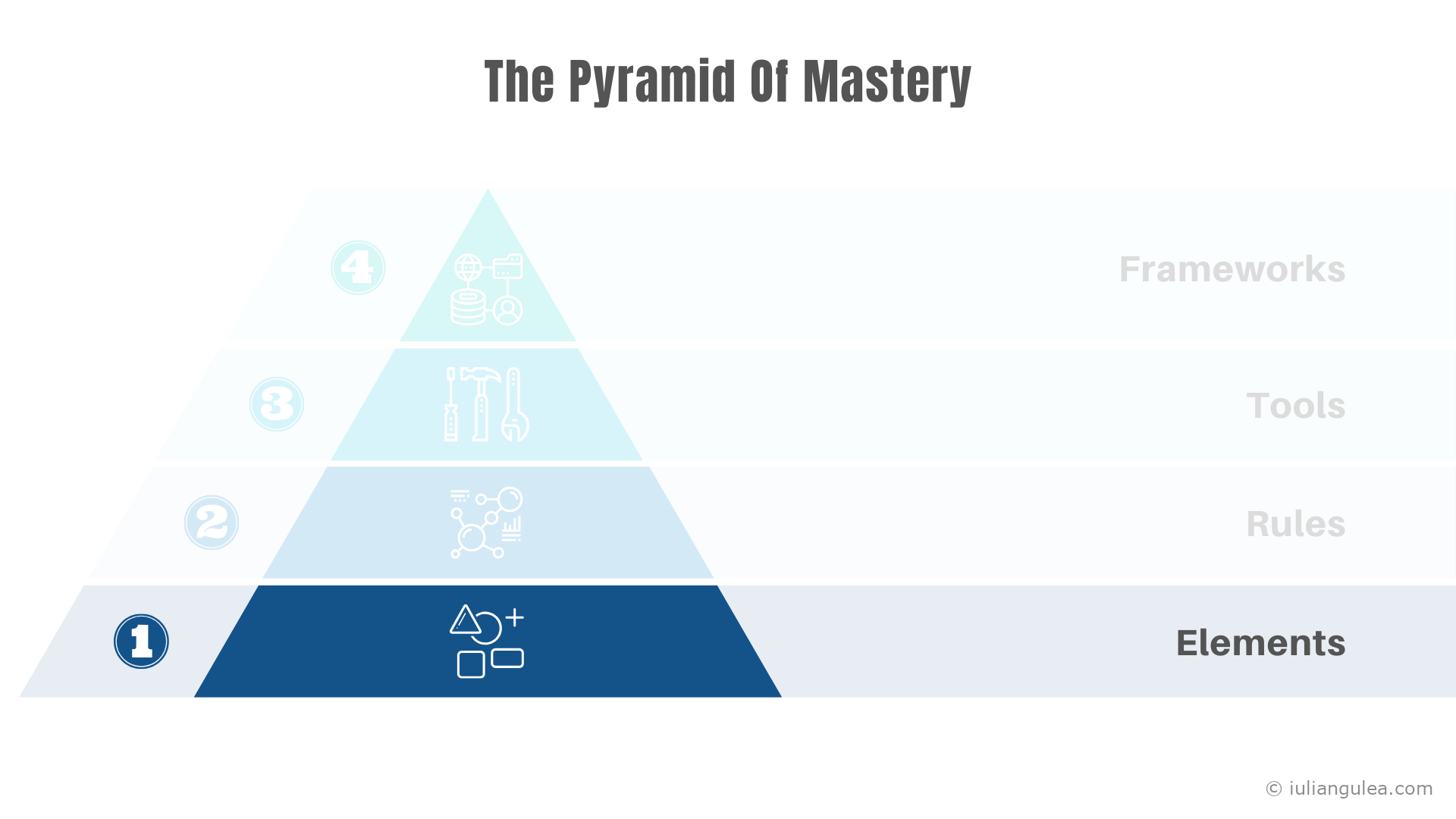
The Mastery Framework for Lifelong Productivity
There is a peculiar fascination we hold for the prolific. We watch the novelist who publishes a book every eighteen months, the entrepreneur who launches a company while running three others, or the artist who produces a breathtaking portfolio with seemingly effortless consistency. We tell ourselves they possess a secret—a hidden gene for discipline, or an inhuman capacity for focus. But the truth is less mystical and more structural. What separates the perpetually productive from the rest is not grit alone; it is a cognitive architecture. They have built, often unwittingly, a Mastery Framework.
The Productivity Secrets of Elite Achievers
The Productivity Secrets of Elite Achievers
There is a quiet chasm that separates the merely busy from the truly accomplished. It is not a gap of hours, grit, or sheer willpower—though those help. Rather, it is a chasm of architecture. Those who achieve at the highest rungs—the thinkers who reshape industries, the artists who move cultures, the entrepreneurs who build legacies—do not simply work harder. They build a different kind of inner engine. Their productivity is not a frantic race against time; it is a deliberate rhythm, an almost musical arrangement of attention, energy, and environment. This article explores the specific, actionable secrets of these elite achievers, focusing on the diverse types of content that populate their daily practice.